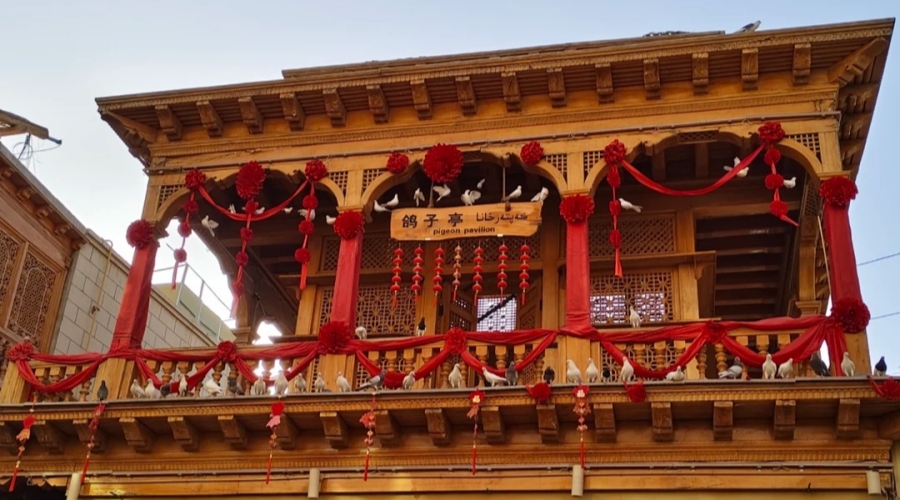

Detailed Itinerary
Arrive in Urumqi, the largest city in Northwest China and a historic Silk Road trading hub. Your guide will meet you at the airport and assist with hotel check-in to ensure a smooth arrival.
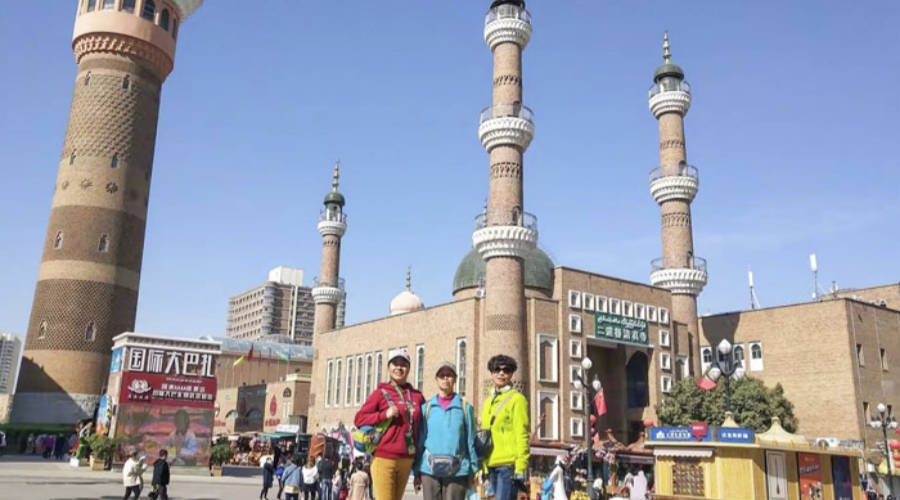
If time allows, visit the International Grand Bazaar, a lively cultural space where Uyghur architecture, Islamic design patterns, and Central Asian trade traditions come together.
In the evening, enjoy a halal welcome dinner in a local restaurant carefully selected for Muslim travelers. The rest of the daytime is kept light to help you recover from long-haul travel.
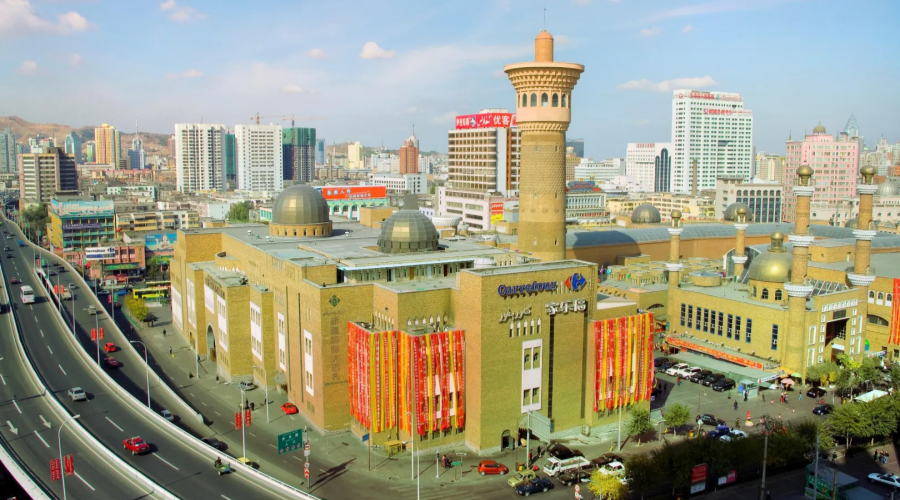
Start the day with a visit to the Urumqi Grand Mosque, one of the key religious centers for the local Hui Muslim community. The mosque reflects a blend of traditional Islamic and Chinese architectural elements.
Continue to the Xinjiang Regional Museum, where Silk Road history is presented through artifacts, including ancient manuscripts, ethnic costumes, and trade relics.
In the afternoon, your guide will walk you through a local Muslim neighborhood, giving insight into daily life, prayer culture, and family traditions. Evening is free for rest or a casual walk.
Travel east toward Hami, an important oasis city that once served as a strategic stop for Silk Road caravans crossing the desert. Along the way, you will see vast desert landscapes, salt flats, and mountain ranges. Your guide will explain how ancient traders survived this harsh environment using oasis stops like Hami.
Upon arrival, explore the old town area and local mosque district. The architecture here reflects a mix of Uyghur and Hui cultural influence, showing how Islam adapted to frontier life.
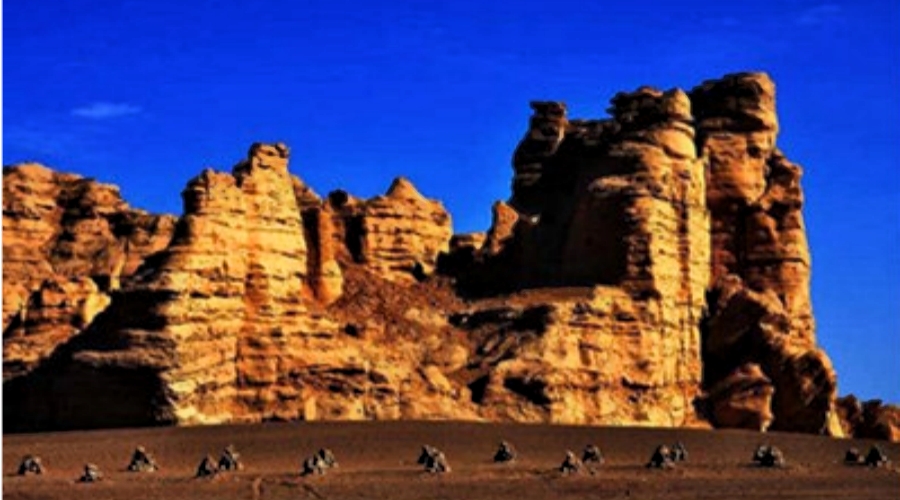
Today is a slower-paced cultural day designed for comfort and immersion. Visit local markets where residents trade dried fruits, handmade goods, and agricultural products. Hami is famous for its melon production, and depending on the season, you may visit a local farm to learn about traditional irrigation and oasis farming.
Your guide will also introduce how Islamic practices are integrated into daily rural life, including prayer schedules, family traditions, and community gatherings.
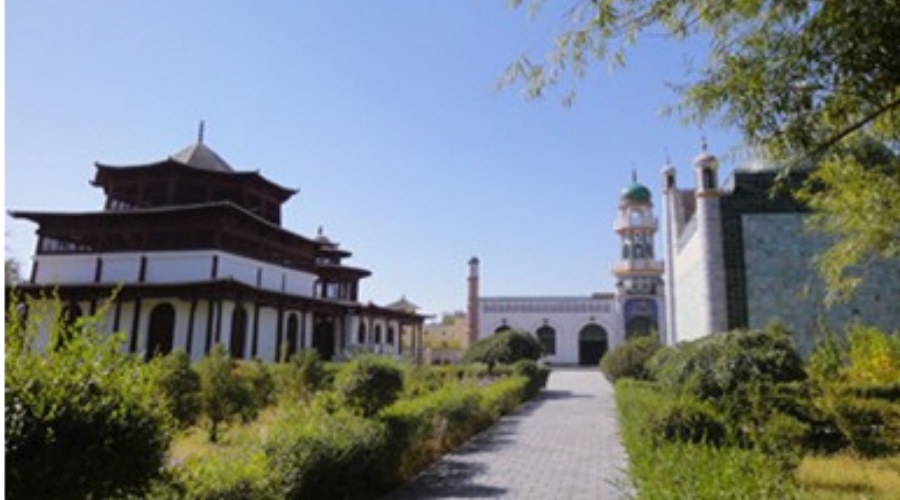
Travel to Korla, located along the Peacock River in the Tarim Basin. This region is known for its fertile oasis landscape surrounded by desert. Your guide will explain how Korla developed as a Silk Road trade junction.
Rest stops are arranged along the route for comfort, including clean facilities and refreshments.
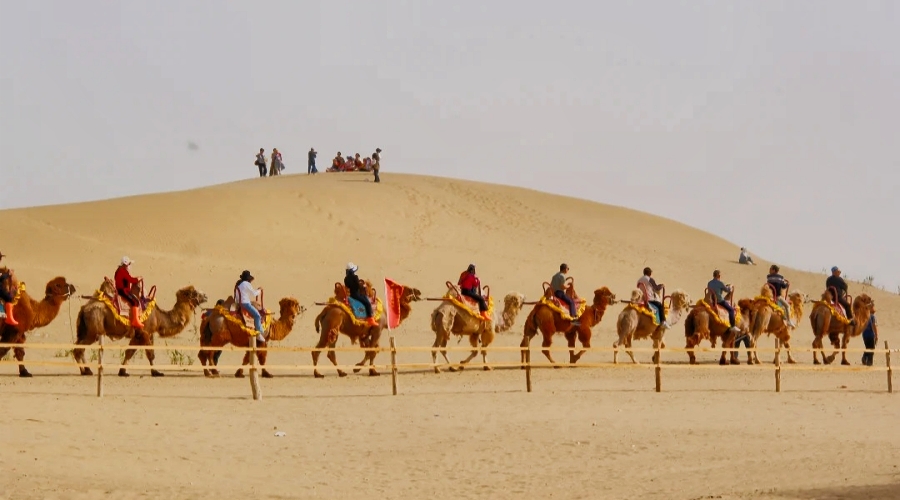
Walk through riverside neighborhoods and small local markets. Unlike major tourist cities, Korla offers a more authentic look at everyday Muslim life in Xinjiang.
You will see how agriculture, trade, and religious practice coexist in a stable oasis environment. The guide will adjust walking distance depending on guest preference.
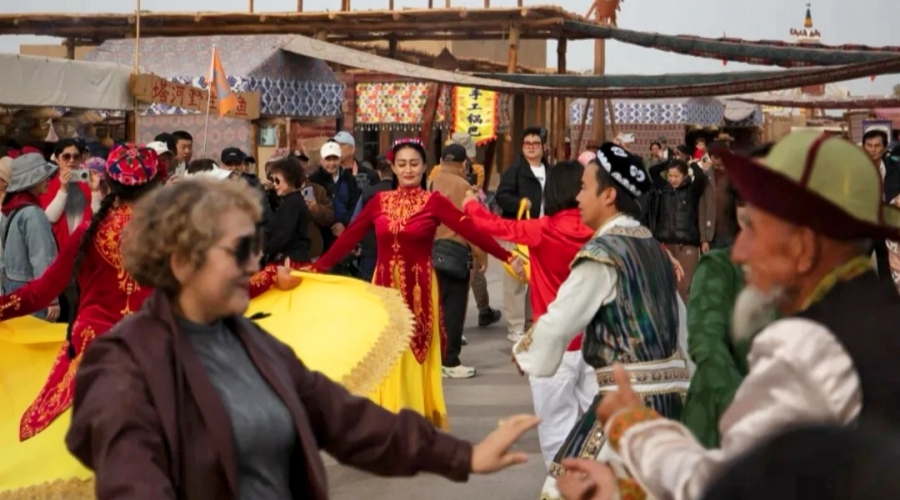
Travel to Kuqa, historically known as the Kucha Kingdom, one of the most important cultural centers on the Silk Road.
Kuqa represents a rare historical layering of Buddhist, Central Asian, and Islamic influences. Your guide will help explain this transformation over time.
Visit Kuqa Old Town area and local mosque district, where traditional Uyghur architecture and Islamic community life are still active.
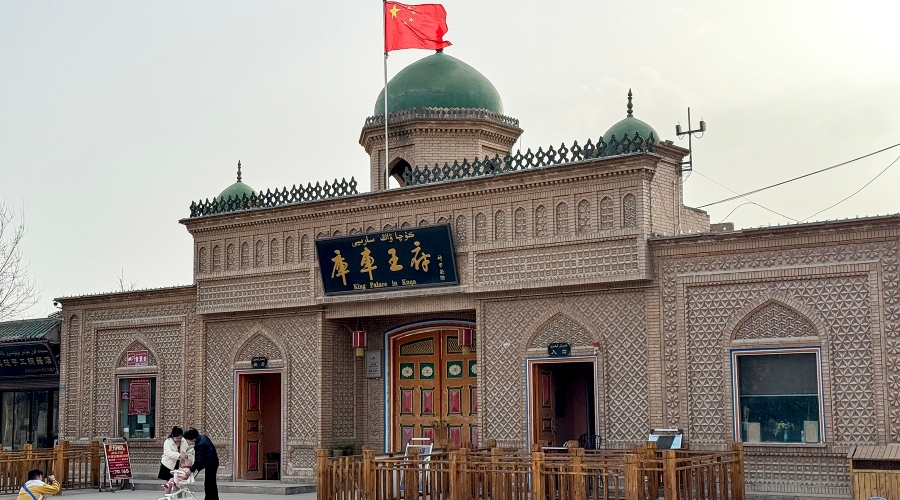
Visit the Kizil Thousand Buddha Caves, one of the oldest cave temple systems in China. These caves show early Silk Road cultural exchange before Islam became dominant in the region.
Afterwards, visit Kuqa Grand Mosque and nearby bazaars. This combination helps travelers understand how religious and cultural transitions shaped Xinjiang over centuries.
Your guide will ensure pacing is comfortable, with shaded rest stops and hydration breaks.
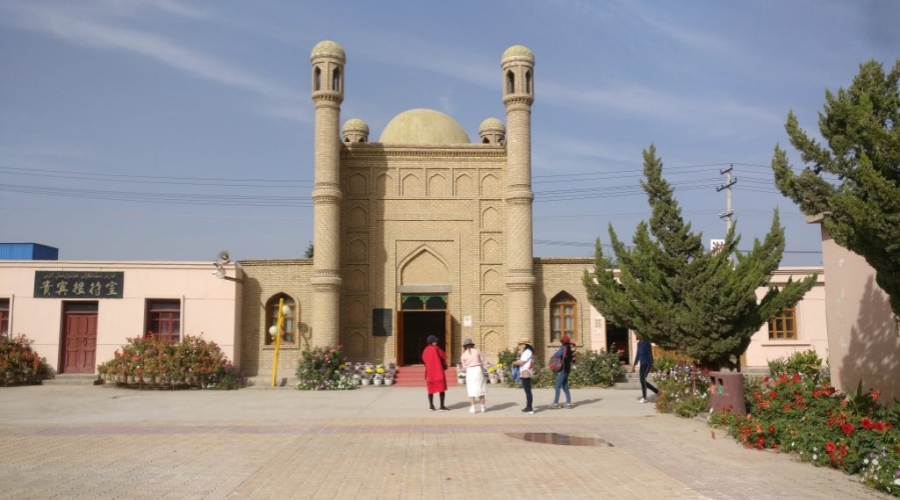
Travel to Aksu, a major agricultural base in southern Xinjiang.
Aksu represents the “life-support system” of the Silk Road, where irrigation allowed settlements to thrive in desert conditions.
Visit local mosques and learn how caravan routes connected Aksu with Central Asia and inland China. The guide will highlight how trade influenced Islamic community development here.
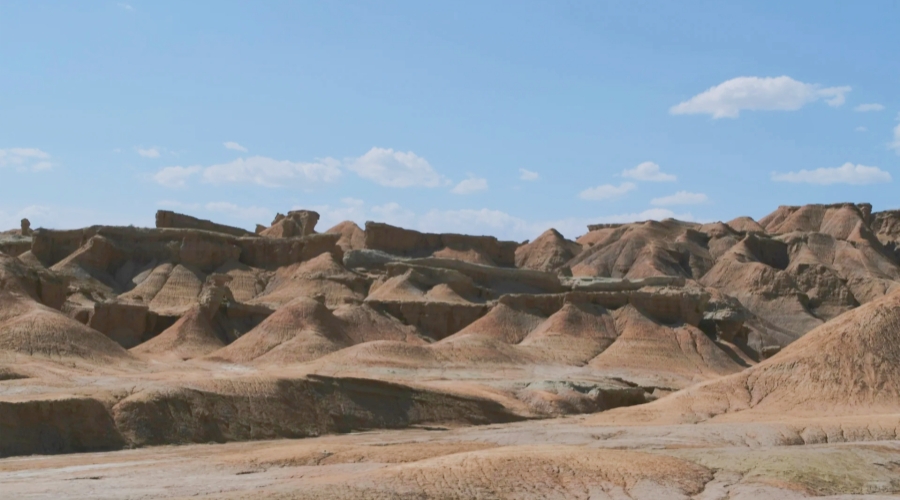
Arrive in Hotan, one of the most culturally rich Islamic cities in Xinjiang.
Visit Hotan Old Town, where narrow streets, traditional houses, and workshops create a living cultural environment. You will also visit silk weaving workshops and carpet-making families, learning about traditional craftsmanship passed down for generations.
Hotan is widely considered one of the strongest Islamic cultural regions in China, and your guide will provide respectful interpretation of local customs and daily life.
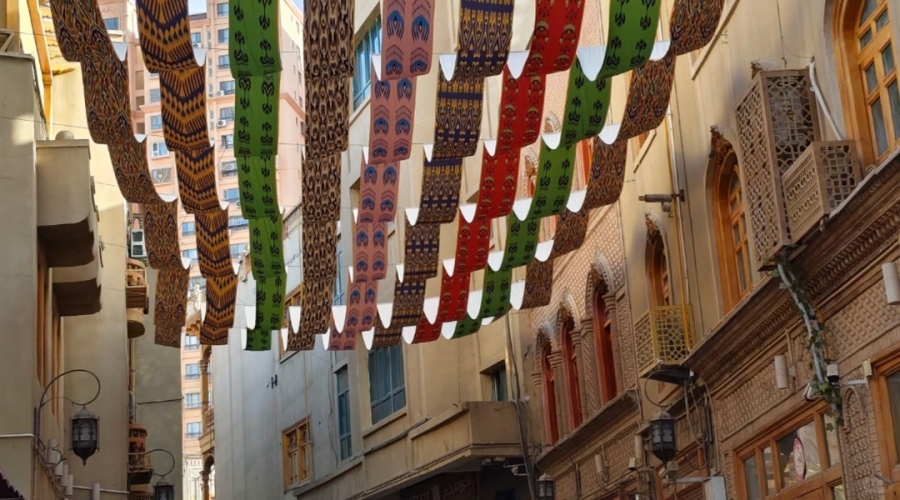
You may visit a local market or take a short walk in the old town area. Your guide will assist with luggage handling, airport transfer, and check-in support for departure.