
Detailed Itinerary
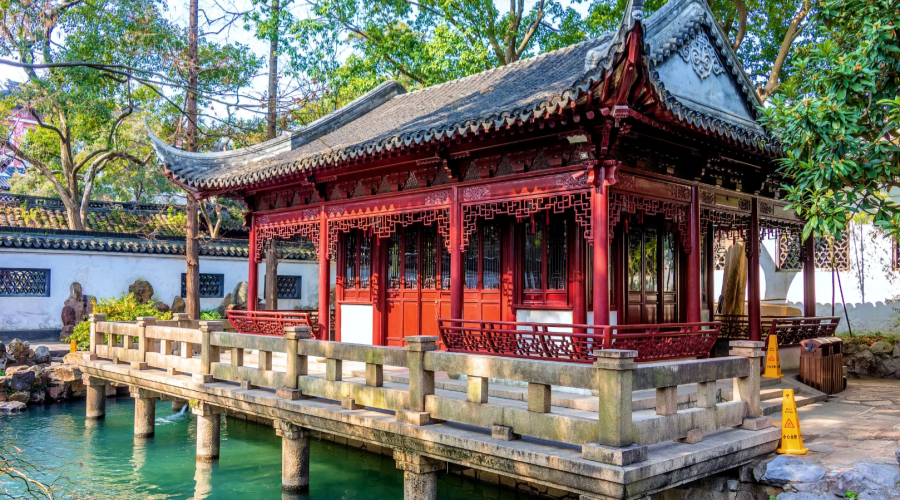
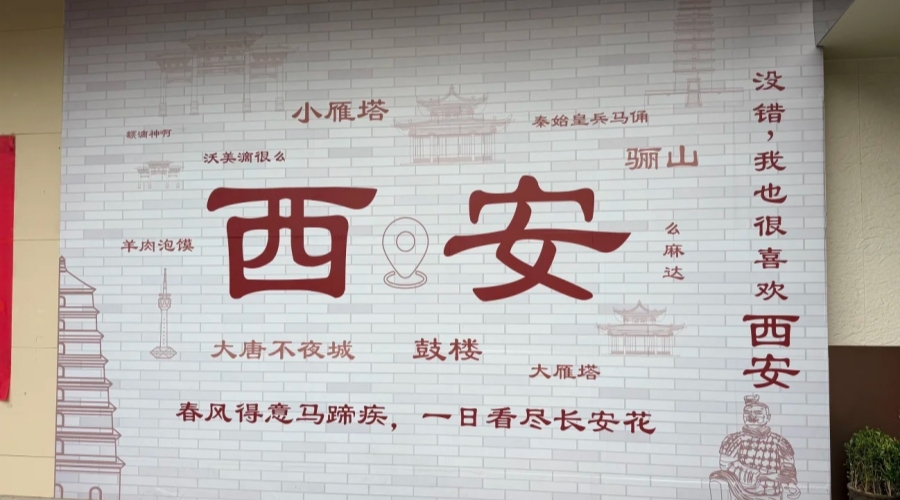
Welcome to Xi’an, the ancient capital of China and the eastern starting point of the Silk Road. More than 1,300 years ago, during the Tang Dynasty, Chang’an was one of the largest and most international cities in the world. Many Muslim travelers arrived through the Silk Road and established early communities, creating the foundation of Islamic culture in China.
Upon arrival, your local guide will meet you at the airport and assist with your transfer to the hotel. After settling in, enjoy a halal dinner and have a rest.
Today is dedicated to discovering Xi’an’s important role in the history of Islam in China. Begin with a visit to the Great Mosque of Xi'an, one of the oldest and most significant mosques in China. Built during the Tang Dynasty and expanded over centuries, the mosque reflects the peaceful integration of Islamic traditions with Chinese architectural styles.
Continue exploring the historic Muslim Quarter, where the descendants of early Muslim settlers still maintain their cultural traditions. The area preserves centuries-old halal food culture, religious customs, and community life. Your guide will explain how Muslim merchants from the Middle East and Central Asia contributed to the development of Chang’an as a global trading center.
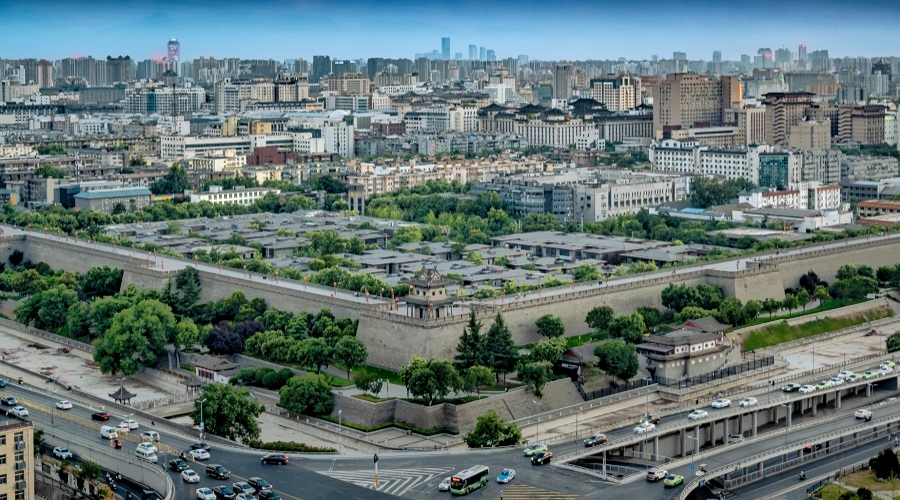
In the afternoon, visit the ancient city wall and learn how Xi’an’s strategic location made it the starting point of cultural exchanges between China and the Islamic world.
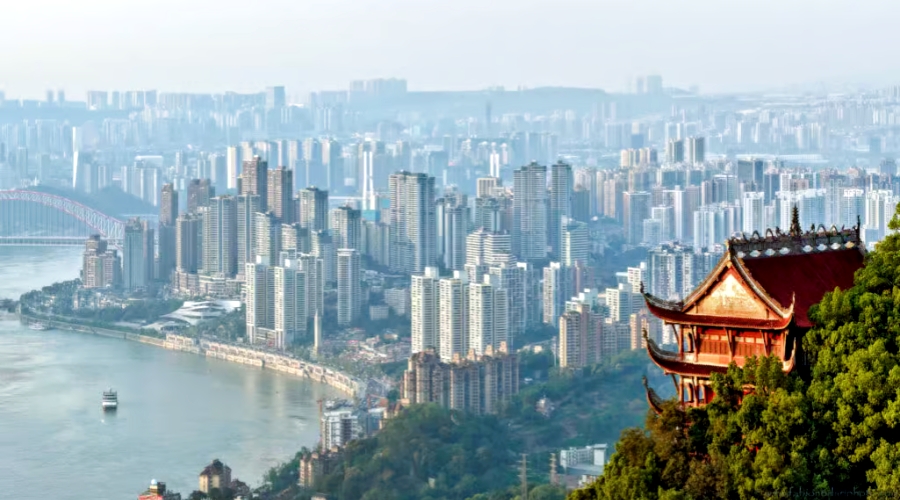
After breakfast, take a high-speed train from Xi’an to Chongqing, one of China’s most distinctive cities built between mountains and rivers. Although Chongqing is not one of China’s traditional centers of Islamic history, its location along important inland trade routes has connected different cultures and communities throughout history. Today, the city is home to a diverse Muslim population, including Hui communities and Muslims from other regions of China.
Upon arrival, our local guide will assist you with luggage and hotel check-in. The rest of the day is free for you. In the evening, enjoy Chongqing’s famous night scenery along the Yangtze and Jialing Rivers while having a carefully arranged halal dinner.
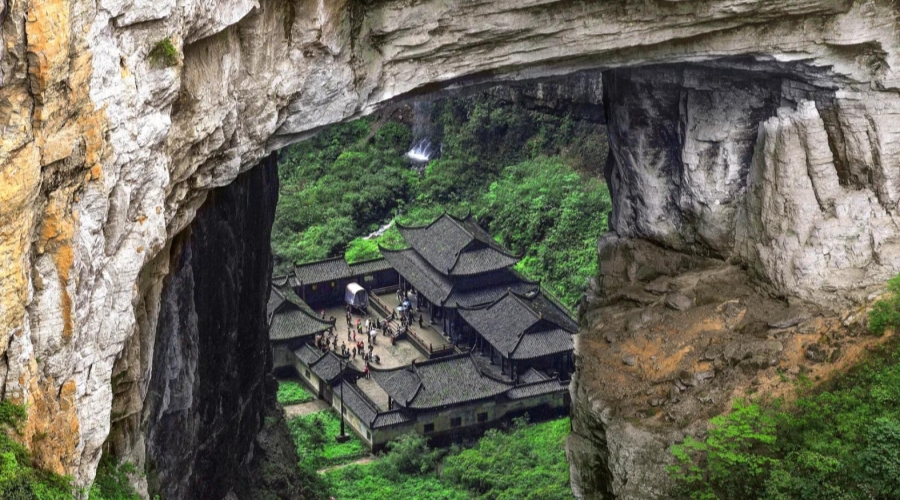
Today explores Chongqing beyond the city center, showing how geography shaped trade, migration, and cultural exchange in southwest China. Travel to the spectacular karst landscapes of Wulong Karst National Geology Park, famous for dramatic natural bridges, deep valleys, and limestone formations. The region represents the natural diversity of China and provides a relaxing contrast to the historical sites visited earlier in the journey.
During the day, your guide will share stories about Chongqing’s role as a transportation hub connecting western China with other regions. The city’s position on the upper Yangtze River made it an important center for movement, trade, and cultural exchange. Return to Chongqing in the evening for a halal dinner and rest before continuing to southern China.
Today travel from Chongqing to Guangzhou, one of the most important maritime gateways in China’s history. More than a thousand years ago, Guangzhou became a major international port where Arab and Persian merchants arrived by sea, creating one of the earliest Muslim communities in China. The city played a key role in connecting China with the Middle East, Southeast Asia, and the Indian Ocean world.
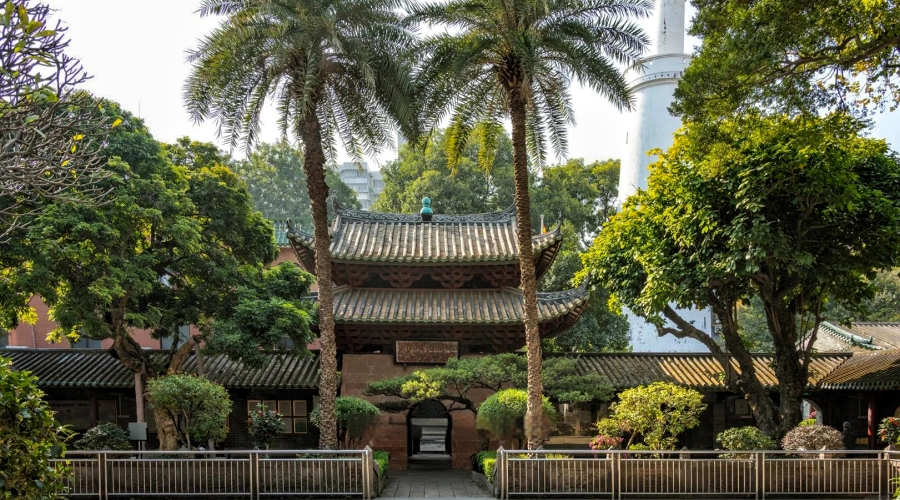
After arrival, visit the historic area surrounding Huaisheng Mosque, traditionally associated with early Muslim communities in Guangzhou. The mosque represents the long history of Islam’s presence in southern China and remains an active religious site today. Explore nearby streets and learn how foreign merchants lived, traded, and interacted with local Chinese communities.
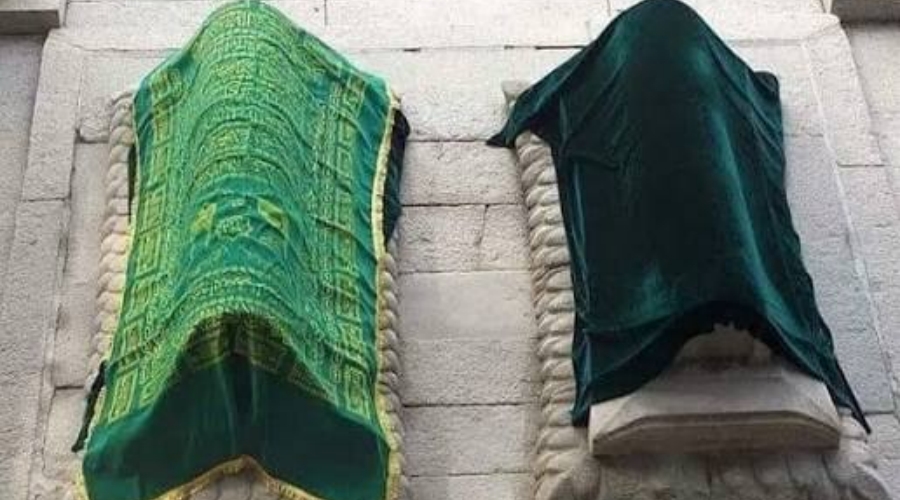
Today focuses on Guangzhou’s earliest Islamic history and archaeological heritage. Visit the Ancient Tomb of Early Islamic Figures in Guangzhou, an important historical site connected with early Muslim arrivals in China. These ancient tombs provide valuable evidence of the presence of Arab and Persian Muslims who traveled across the sea routes and became part of Guangzhou’s multicultural history.
Continue exploring Guangzhou’s Islamic heritage through surviving Arabic stone inscriptions and historical remains. These inscriptions record the presence of Muslim communities and provide important information about religious life, international trade, and cultural exchange in ancient China. Through these sites, travelers can better understand how Islam arrived in China not through conquest, but through peaceful trade, migration, and cultural interaction.
Travel by high-speed train from Guangzhou to Quanzhou, one of the most important ports of the ancient Maritime Silk Road. During the Song and Yuan dynasties, Quanzhou became one of the largest international ports in the world, welcoming merchants from Arabia, Persia, India, and Southeast Asia. The city was known for its religious diversity, where different communities lived and traded together.
After arrival, explore Quanzhou’s historic old city and experience the atmosphere of this former global port. Walking through ancient streets, visitors can discover traces of different cultures that once flourished here, including Islamic, Buddhist, and other religious traditions. The city’s heritage reflects centuries of peaceful interaction between Chinese civilization and overseas communities.
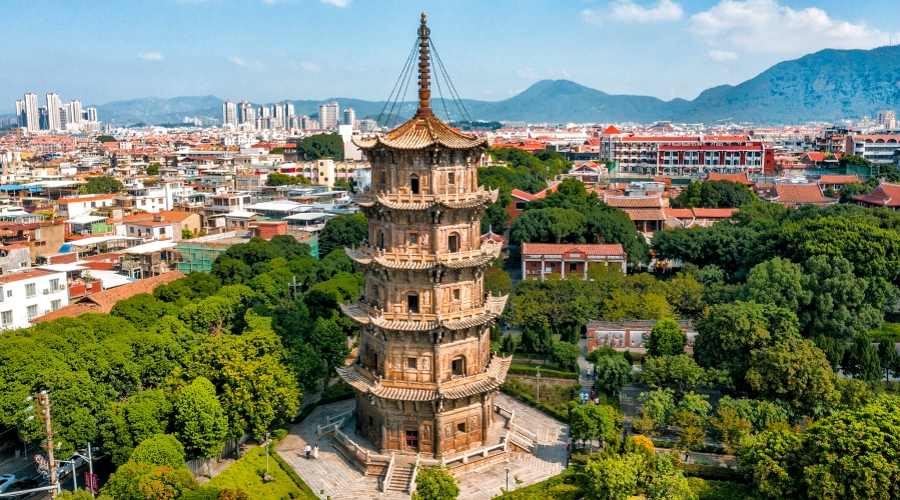
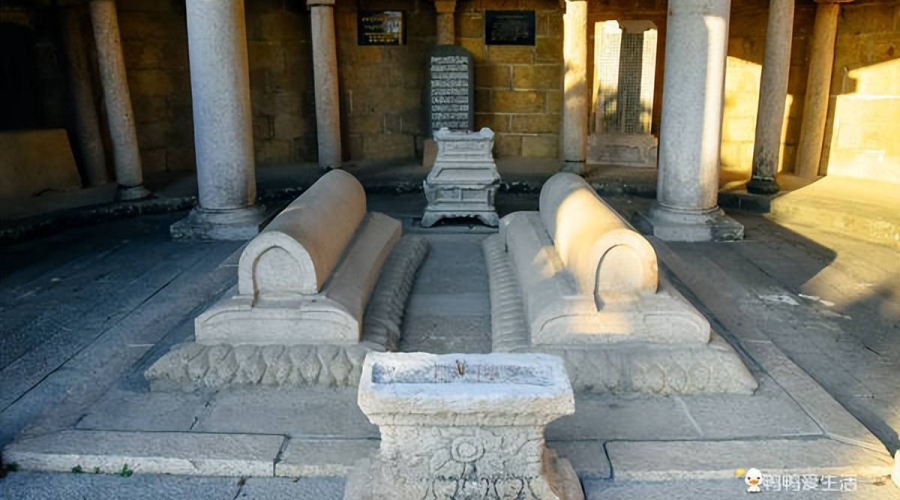
Today is the highlight of the Islamic heritage journey in Quanzhou. Visit the Lingshan Sacred Tomb, one of the most important Islamic historical sites in China. According to local tradition, the site contains the tombs of early Muslim figures who arrived in China during the Tang Dynasty. The peaceful hillside location reflects the deep historical connection between Chinese and Islamic civilizations.
Continue to Qingjing Mosque, one of the oldest surviving mosques in China, built during the Song Dynasty by Arab and Persian Muslim communities. Explore the famous multilingual stone inscriptions of Quanzhou, including Arabic and Persian inscriptions that provide evidence of international trade and Muslim settlement in the city. These historical remains offer a rare opportunity to see how Islamic culture became part of China’s maritime history.
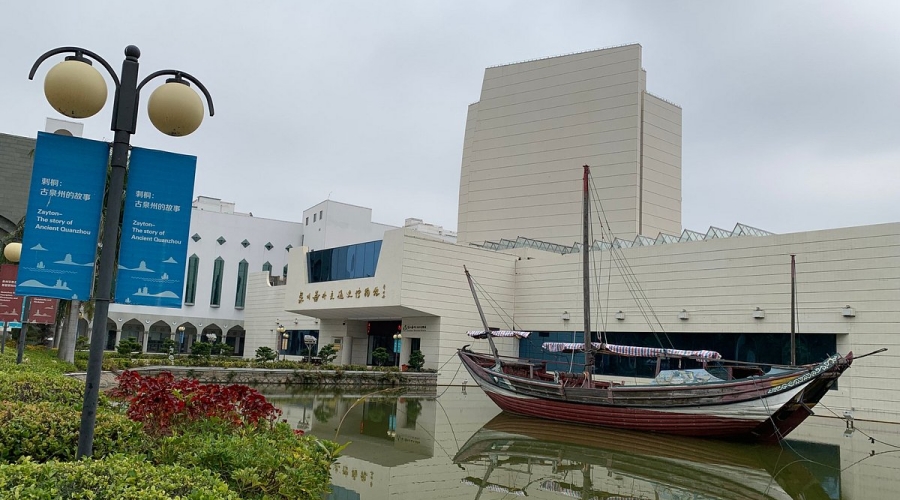
Continue discovering Quanzhou’s multicultural heritage through museums, historic neighborhoods, and ancient trading areas. Visit the Maritime Museum to learn how ships from different regions arrived at Quanzhou’s port and how Muslim merchants contributed to the city’s prosperity. Explore old streets where communities from different backgrounds once lived together, leaving behind architectural and cultural traces.
This day provides a deeper understanding of daily life in ancient Quanzhou, where religion, trade, language, and culture interacted for centuries. Travelers can also enjoy local halal cuisine and experience how traditional Chinese food culture has adapted to different communities.
Today, travel from Quanzhou to Shanghai, China’s most international modern city. This journey connects another important chapter of China’s cultural exchange history, from the ancient Maritime Silk Road port of Quanzhou to the global trading center of Shanghai.
After arrival in Shanghai, your guide will assist with the transfer to the hotel and help with check-in arrangements. The rest of the day is reserved for relaxation after the long journey, allowing travelers to adjust to the new environment, and enjoy a comfortable evening at their own pace. A halal dinner can be arranged near the hotel or at a convenient location according to the group’s preference.
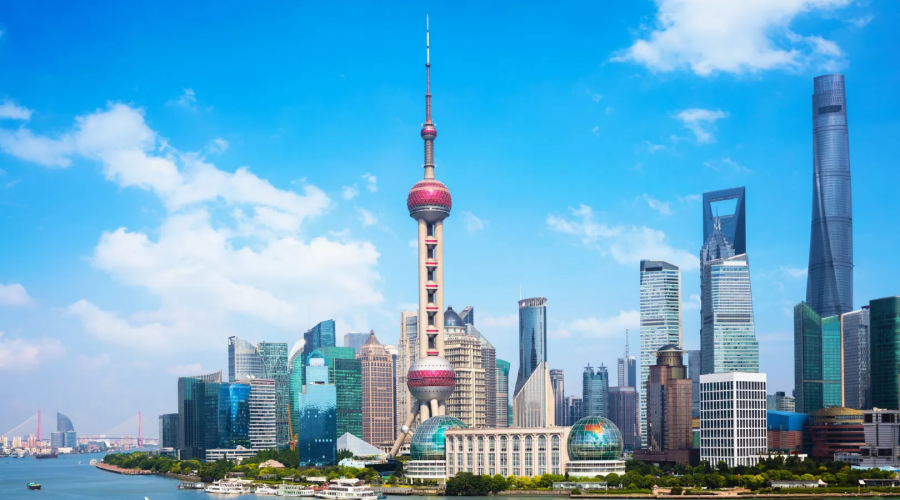
On the final full day, continue exploring Shanghai’s cultural diversity. Visit important mosques such as Shanghai Xiaotaoyuan Mosque, Shanghai Songjiang Mosque, and Fuyou Road Mosque, learning about the development of Islamic communities in one of Asia’s most influential cities.
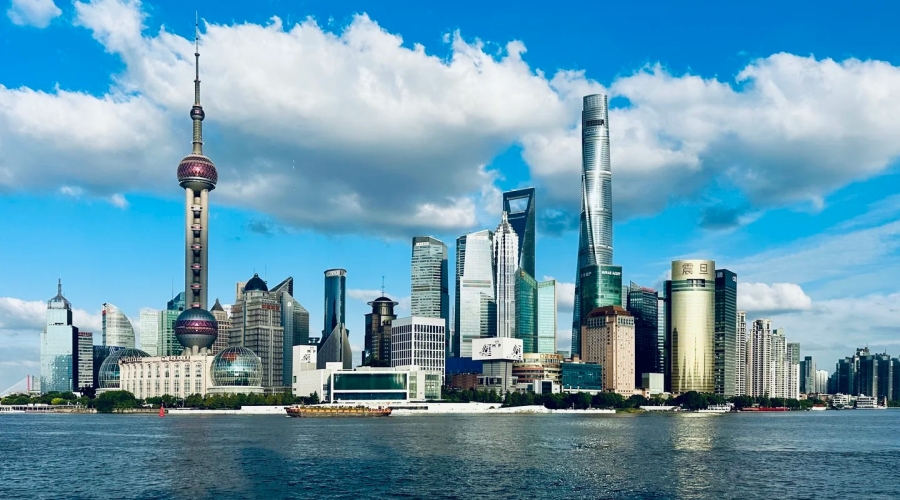
Combine Islamic heritage with Shanghai’s broader historical story by visiting the Bund, former international settlements, and modern financial districts. These areas reflect Shanghai’s transformation into a global city shaped by migration, trade, and international exchange — themes that connect closely with the wider history of Muslim travel and cultural exchange in China.
After breakfast, your guide will assist with your transfer to Shanghai airport for your international departure. As the journey concludes, travelers leave with a deeper understanding of the historical relationship between China and the Islamic world — from ancient Silk Road exchanges in Xi’an to maritime connections in Guangzhou and Quanzhou, and the continuing presence of Muslim communities in modern China.