
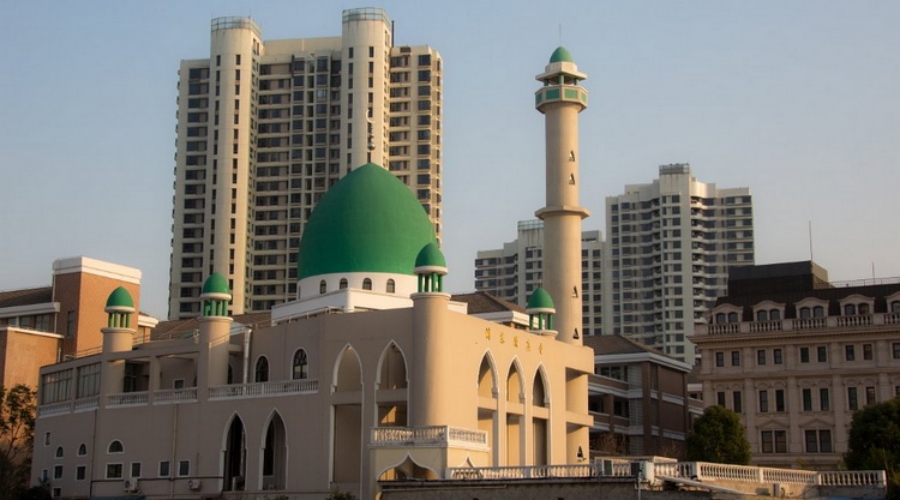
Shanghai is often introduced as China’s most modern city, but its history is not only about finance, skyscrapers, and trade. Hidden within its urban districts are several historic mosques that reflect centuries of cultural exchange between China and the Islamic world.
These mosques are still active today. They serve local Muslim communities while also offering visitors a rare look at how Islam has developed within a Chinese city context.
This guide introduces the main mosques in Shanghai, their history, architecture, and what visitors can expect.
A Short History of Islam in Shanghai
Islam arrived in China through trade routes along the Silk Road and maritime exchanges during the Tang and Song dynasties. Shanghai, as a coastal trading port, gradually became home to Muslim merchants, scholars, and families, particularly Hui Muslims who integrated into local society while preserving Islamic traditions.
By the Ming and Qing dynasties, several mosques had already been established in Shanghai, reflecting both religious needs and the growing Muslim population. These mosques became centers for prayer, education, and community life, helping shape a unique blend of Islamic and Chinese cultural identity.
Today, Shanghai is home to a small but active Muslim community, and its mosques continue to play an important role in both religious practice and cultural preservation.
Main Mosques in Shanghai
Xiaotaoyuan Mosque (Largest and Most Active)
The Xiaotaoyuan Mosque is the most important mosque in central Shanghai and the main hub for Friday prayers.
Built in the early 20th century and rebuilt in the 1920s, it remains the largest active mosque in the city. The architecture combines traditional Chinese courtyard design with Islamic prayer space layout.
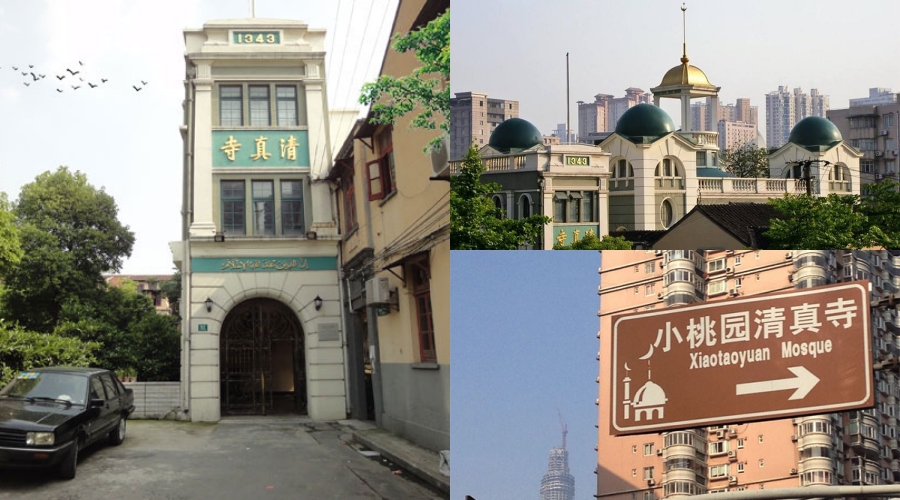
Xiaotaoyuan Mosque
Key features:
- Main prayer hall for large congregations
- Mixture of Arabic calligraphy and Chinese inscriptions
- Active community during Ramadan and Eid
It is the most convenient mosque for visitors staying in downtown Shanghai.
Songjiang Mosque (Oldest Mosque in Shanghai)
The Songjiang Mosque is widely recognized as the oldest mosque in Shanghai, with origins dating back to the Yuan dynasty.
This mosque is historically significant because it represents the earliest stage of Islam in the region.
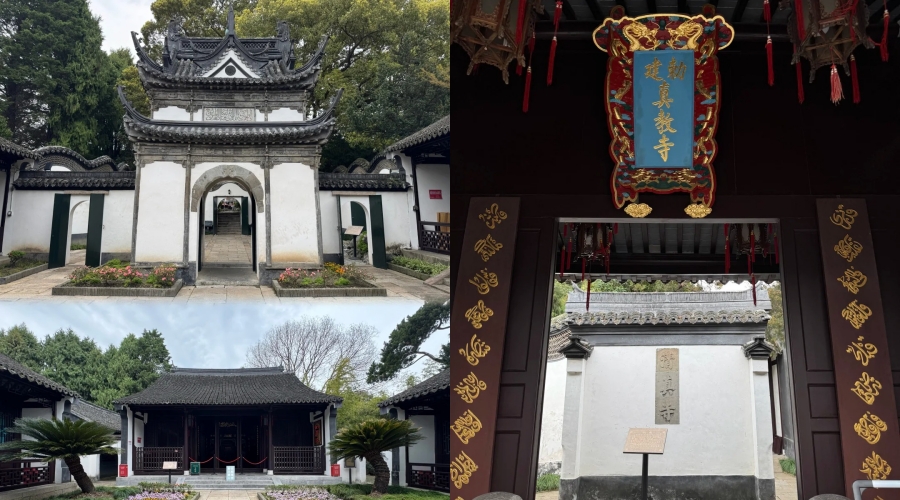
Songjiang Mosque (the oldest mosque in Shanghai)
Key features:
- Classical Chinese-style architecture
- Historical cultural relic status
- Quiet surroundings in an old town area
It is ideal for travelers interested in early Islamic history in China.
Huxi Mosque (Putuo District)
The Huxi Mosque is one of the most important community mosques on the western side of Shanghai. It is more modern in structure and serves a large urban Muslim population.
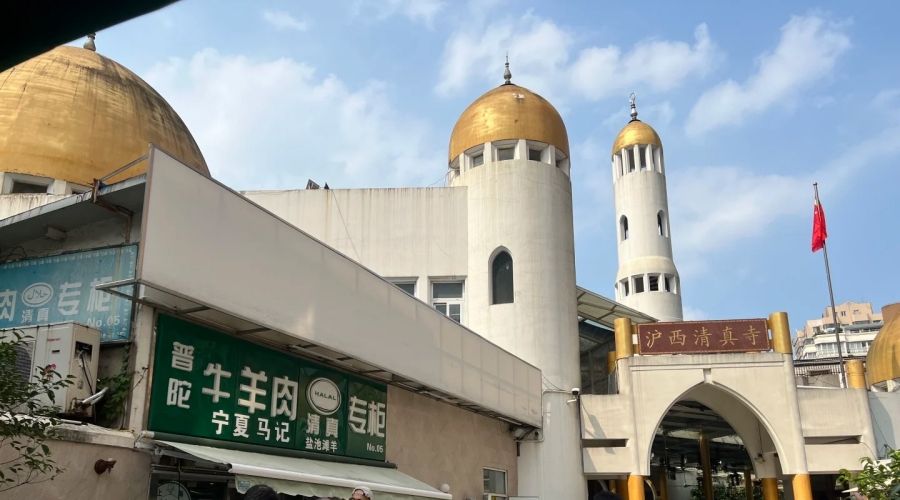
Huxi Mosque
Key features:
- Active daily prayer services
- Large community attendance
- Located in a residential district
This mosque gives a more “local life” experience rather than a tourist site.
Fuyou Road Mosque (Historic Downtown Mosque)
The Fuyou Road Mosque is located near Yu Garden in the old city area.
It is one of the oldest mosques in downtown Shanghai and has been rebuilt several times. Its Qing-style architecture makes it visually different from modern urban mosques.
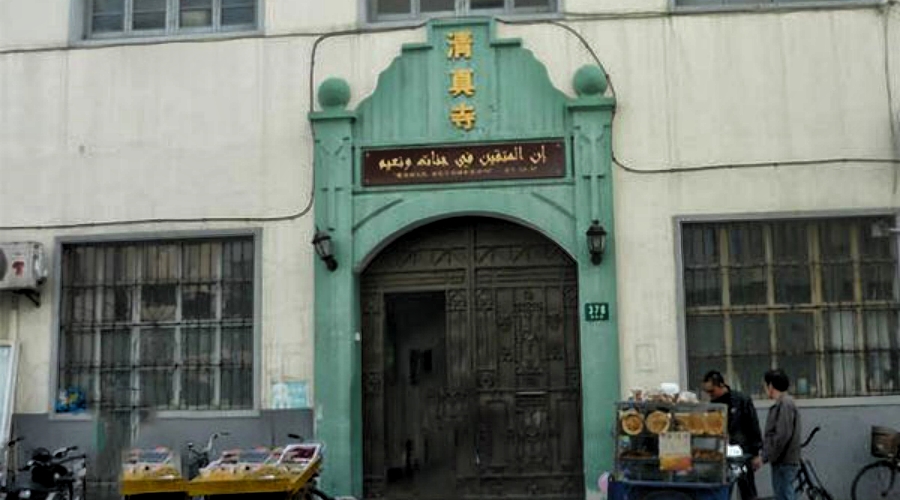
Shanghai Fuyou Road Mosque
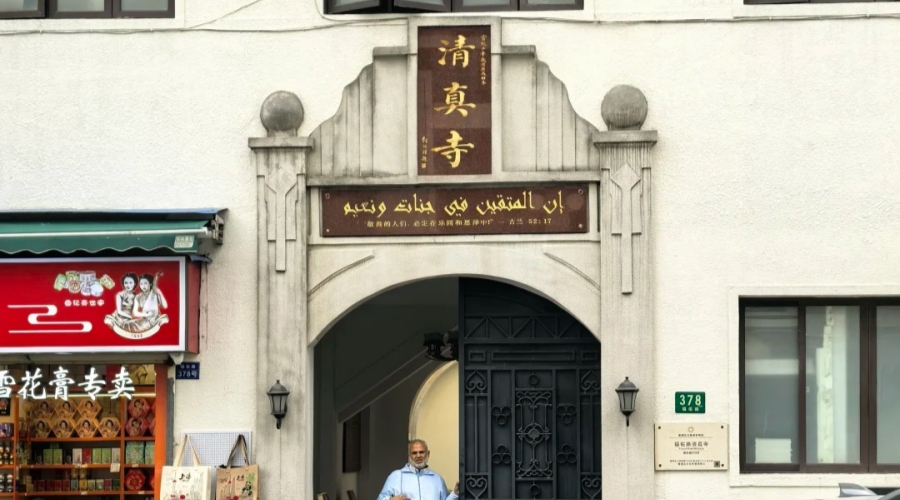
Fuyou Road Mosque
Key features:
- Close to Yu Garden tourist area
- Traditional Chinese architectural style
- Compact but historically important site
Pudong Mosque (Modern District Mosque)
The Pudong Mosque serves the fast-growing Pudong New Area, where many international residents live.
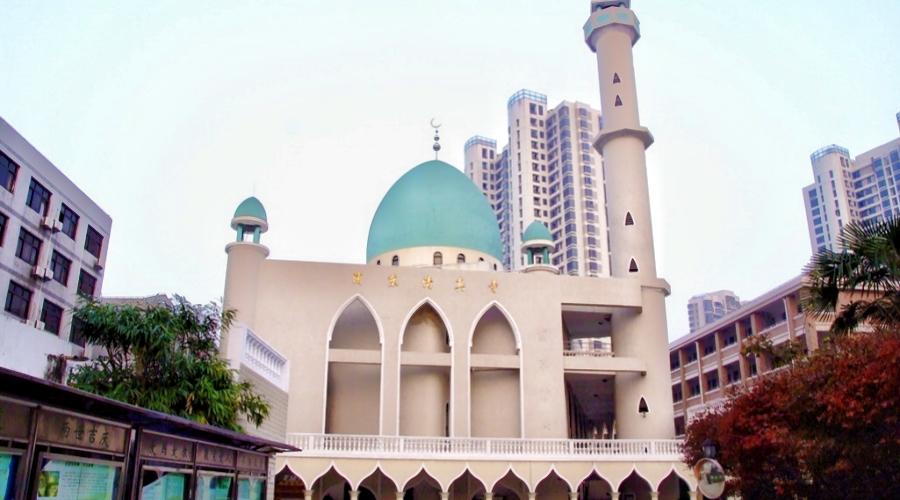
Pudong Mosque
Key features:
- Modern mosque structure
- Active community services
- Easy access for residents in eastern Shanghai
It reflects how Islam continues to adapt to modern urban development.
Jiangwan Mosque (Yangpu District)
The Jiangwan Mosque is a smaller mosque with a strong local community. It is not a major tourist attraction but remains important for daily worship.
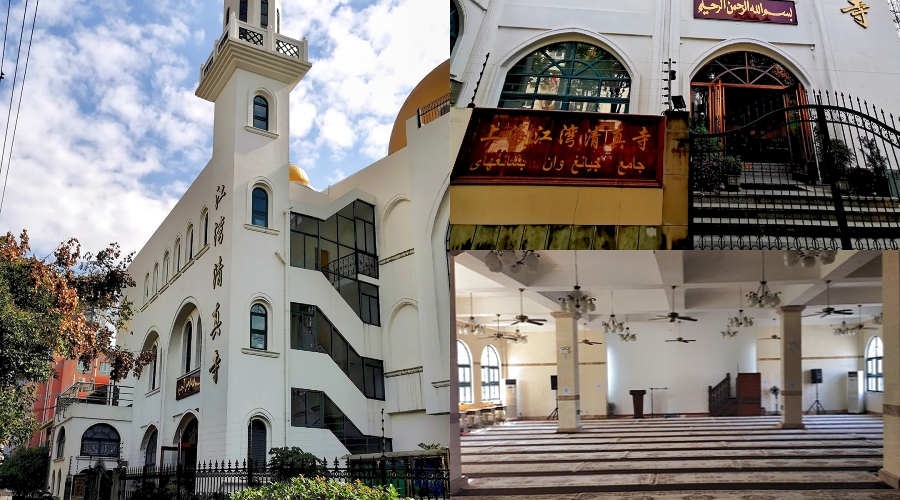
Jiangwan Mosque in Shanghai
Key features:
- Simple functional design
- Community-focused activities
- Less crowded, more local atmosphere
Female Mosque (Unique Cultural Feature)
Shanghai also has one of the few female-focused mosques in China, sometimes associated with Xiaotaoyuan Mosque area.
It reflects a unique tradition of women-led prayer spaces in Chinese Islamic culture.
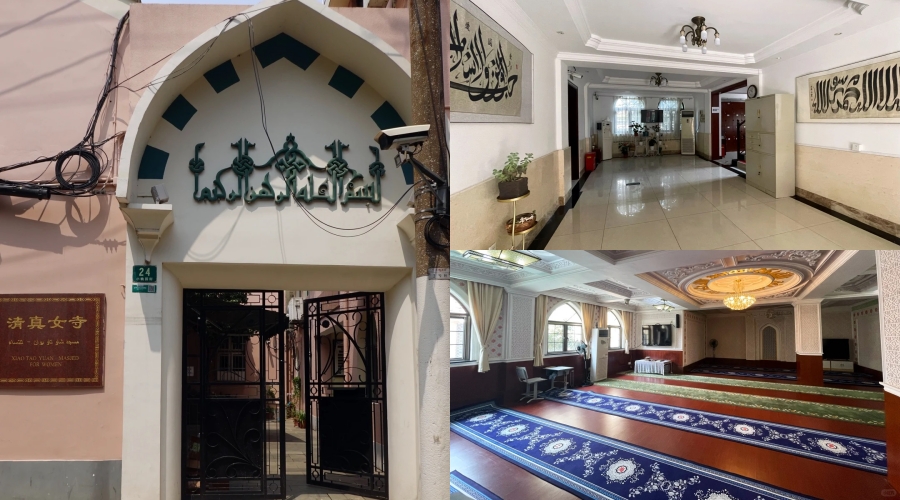
Shanghai Female Mosque
What Makes Shanghai’s Mosques Different
Mosques in Shanghai are different from those in many other parts of the world. They are not large monumental buildings. Instead, they are often hidden within residential blocks or designed to fit into existing Chinese architectural styles.
Common features include:
- Courtyard layouts similar to traditional Chinese homes
- Subtle exterior design with limited visual decoration
- Arabic inscriptions combined with Chinese calligraphy
- Prayer halls oriented toward Mecca but integrated into compact urban space
This architectural style reflects how Islam adapted to life in a dense Chinese city, rather than existing as a separate or isolated environment.

A Muslim woman is taking care of the kids during the Friday prayer in Shanghai
The Role of Mosques Today
Shanghai’s mosques are still active and serve several roles beyond religious worship.
Religious Practice
They host daily prayers, Friday services, and major Islamic festivals. Ramadan is an especially active period in all major mosques.
Community Life
Mosques support local Muslim residents through religious education, charity activities, and community gatherings.
Cultural Continuity
They help preserve cultural identity for Hui Muslims and other believers living in a highly modern and fast-changing city.
Visiting Mosques in Shanghai
For travelers interested in culture and religion, visiting mosques in Shanghai is relatively straightforward.

Men waiting for the beginning of the Friday prayer at a Shanghai mosque
Visitor Etiquette
- Dress modestly (cover shoulders and knees)
- Remove shoes before entering prayer areas
- Avoid loud conversations inside mosque buildings
- Do not interrupt prayer times
- Always ask before photographing people
Best Time to Visit
- Weekdays: quiet and best for sightseeing
- Fridays: crowded due to Jumu’ah prayer
- Ramadan: busiest period of the year
Location Tips
Most mosques are accessible by public transport. Central mosques like Xiaotaoyuan are easy to reach, while Songjiang Mosque requires a longer metro or taxi ride outside the city center.
Islamic Heritage in a Modern City
Shanghai’s mosques show how religion and urban life can coexist in a highly developed environment. They are not isolated landmarks but part of everyday city life.
For many visitors, these sites offer a different perspective on Shanghai—away from commercial districts and tourist attractions. They reveal a quieter side of the city shaped by centuries of trade, migration, and cultural exchange.
The mosques of Shanghai reflect a long and continuous history of Islam in eastern China. From historic sites like Songjiang Mosque to active community centers such as Xiaotaoyuan Mosque, each place tells part of this story.
For travelers, these mosques offer more than architectural interest. They provide a simple but meaningful way to understand how diverse cultures have shaped Shanghai over time, and how that history continues to live within the modern city today.