Mogao Caves
UNESCO heritage site with ancient murals and Silk Road Buddhist art

YADAN LANDSCAPES, DESERT DISCOVERY
Explore the ancient Silk Road through Gansu, where desert landscapes, Buddhist heritage, historic cities, and Muslim cultural traditions meet along one of China's most important cultural routes.
Gansu is a legendary Silk Road corridor connecting China with Central Asia. From the Mogao Caves and ancient Buddhist art to desert landscapes, Great Wall heritage, and vibrant Muslim communities, the region offers a unique blend of history, culture, and natural wonders.
UNESCO heritage site with ancient murals and Silk Road Buddhist art
Ancient cities and trade routes along the historic Hexi Corridor
Dramatic Yadan landforms and vast Gobi desert landscapes
Hui communities, historic mosques, and authentic halal cuisine in Gansu
Wholesale B2B rates Gansu's most popular tourist attractions
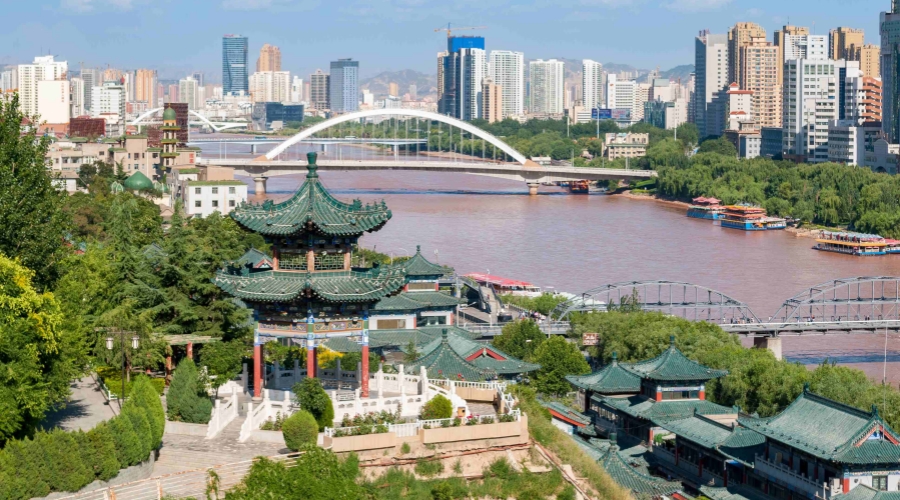
Exploring historic mosques, Silk Road cities, and cultural landmarks in China with halal-friendly services.
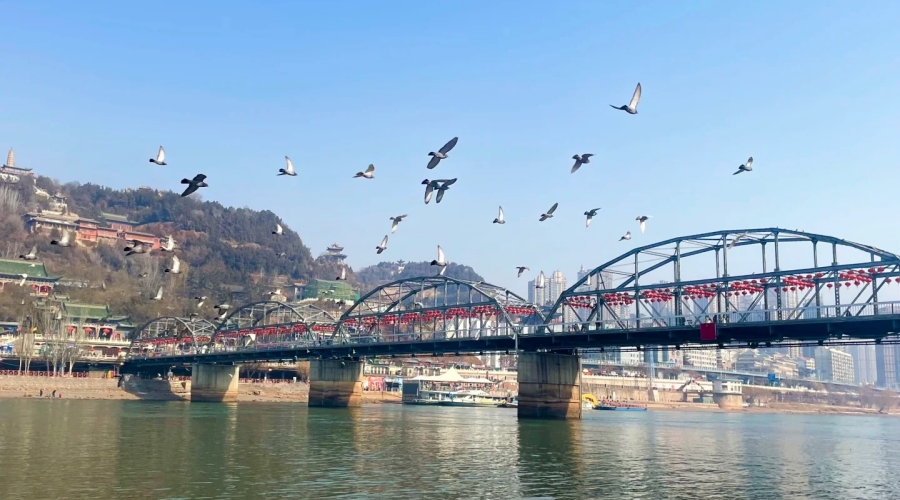
Discover Gansu's Silk Road heritage, Muslim culture, desert landscapes, and local experiences.
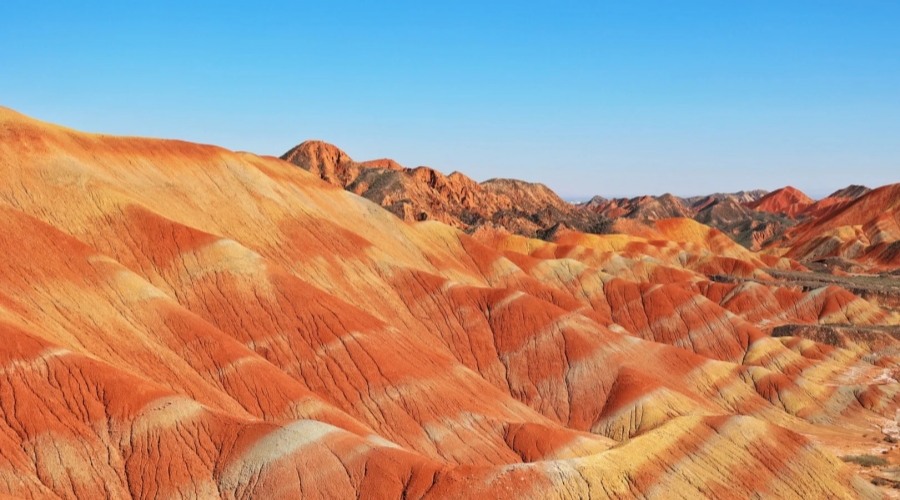
A cultural journey through Gansu's Hui heritage, Silk Road history, and colorful landscapes.
Gansu has a dry continental climate with large regional differences due to its vast geography, including deserts, mountains, grasslands, and the Hexi Corridor. The best travel period depends on the destinations, outdoor activities, and seasonal scenery travelers prefer.
Climate Overview:
Summer: 20-35°C (June-Aug) | Winter: -7-4°C (Dec-Feb) | Rainfall: Mainly concentrated from June to August | Best travel periods: April–June and September–October for comfortable weather, clear views, and outdoor exploration.
Stay updated with the latest travel trends and destination insights
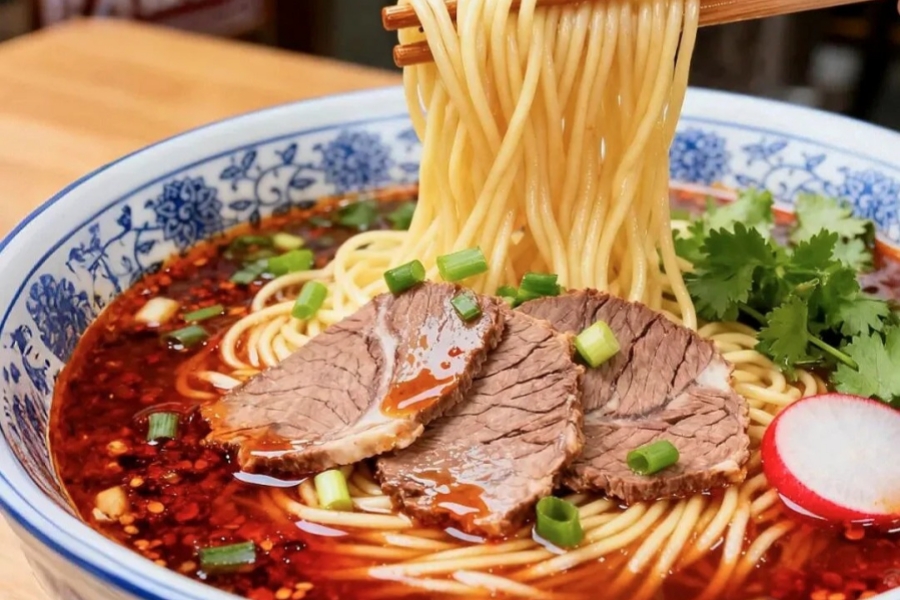
Hand-pulled noodles are served in a clear beef broth with tender beef slices, radish, chili oil, and fresh herbs. Lanzhou beef noodles are a must-try experience for Muslim travelers.
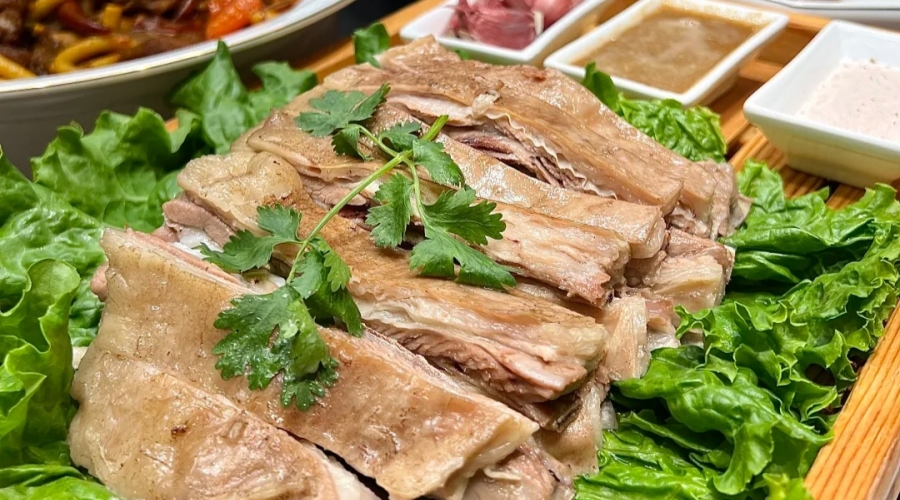
Hand-grabbed lamb, a traditional Northwest Chinese halal dish featuring tender lamb served with rich flavors and local spices.
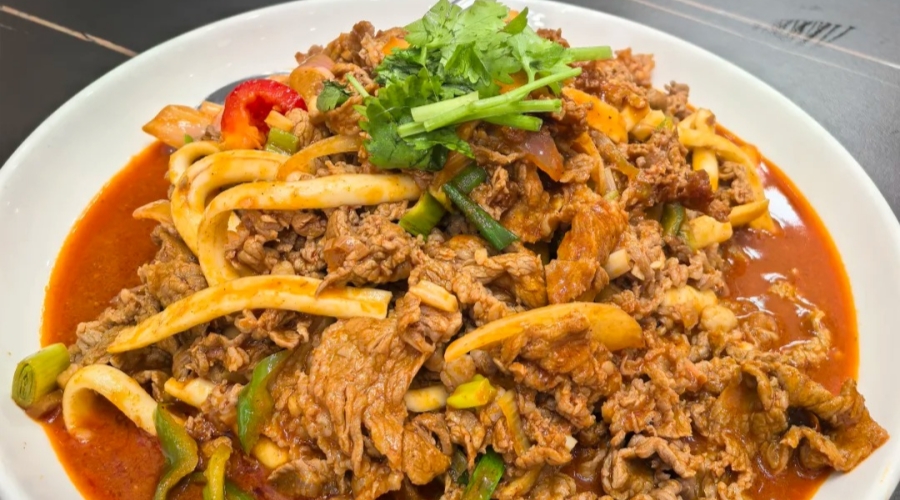
A flavorful Hui-style halal dish featuring tender young beef quickly stir-fried with spices and fresh vegetables.

Local insights for building customized Gansu tour programs
The ideal duration for a Gansu tour depends on the travel theme and pace of the group. A classic Silk Road itinerary usually requires around 5–8 days to cover major destinations such as Lanzhou, Zhangye, Jiayuguan, and Dunhuang.
Gansu offers rich educational opportunities in history, archaeology, geography, and cultural exchange. From the Mogao Caves and Silk Road heritage to Jiayuguan Pass, desert landscapes, and ancient engineering systems, the region provides valuable learning experiences for STEM and cultural programs.
Yes, Gansu has a strong halal food culture, especially in Lanzhou and Linxia. Travel groups can enjoy local specialties such as Lanzhou beef noodles, hand-grabbed lamb, halal barbecue, handmade noodles, and naan. With advance planning, halal dining can be arranged throughout major travel routes.
Yes, combining Gansu and Xinjiang is a classic Silk Road travel route. Connecting Xi’an, Lanzhou, Zhangye, Dunhuang, Turpan, and Kashgar, this journey features ancient heritage, desert landscapes, Muslim culture, and Central Asian influences, making it ideal for cultural and Muslim-friendly travel programs.
Gansu is suitable for senior tours with flexible pacing, comfortable hotels, and private transportation. Well-planned itineraries balance sightseeing and rest to ensure a relaxed travel experience.
Gansu is a highlight of Silk Road routes, featuring ancient cities, desert landscapes, cultural heritage, and Muslim-friendly experiences along the Hexi Corridor. It links Xi'an with Xinjiang and Northwest China's iconic scenery.
It is about 700–900 KM between Gansu and Xi'an, with the best connection by high-speed train or flight depending on the route. Combining Xi'an with Gansu creates a classic Silk Road journey featuring ancient capitals, Terracotta Warriors, Mogao Caves, and historic trade routes.
Gansu connects naturally with Xinjiang through the historic Silk Road corridor. The route from Dunhuang to Turpan and Kashgar allows travelers to experience desert landscapes, ancient cities, Muslim heritage, and Central Asian cultural influences.
Gansu and Qinghai can be combined for a Northwest China adventure featuring alpine landscapes, Tibetan culture, and unique natural scenery. The journey is ideal for travelers interested in nature, photography, and cultural exploration.
Located nearby in Northwest China, Ningxia can be combined with Gansu for a Muslim-friendly cultural route. Travelers can explore Hui Muslim communities, halal cuisine, desert scenery, and regional heritage.
Gansu can be connected with Beijing through flights or high-speed trains via Lanzhou. Combining these destinations creates a contrast between imperial heritage in the capital and Silk Road landscapes in Northwest China.
The connection between Gansu and Chengdu offers a diverse China experience combining Silk Road heritage, natural landscapes, Sichuan culture, and giant panda experiences. Flights and train services make this combination suitable for multi-city itineraries.
We value your privacy
We use cookies to improve your experience and analytics. You can accept all cookies, reject non-essential cookies, or manage your preferences anytime from the footer.
Privacy & data preferences
Manage how we use cookies and your location. You can change these choices at any time from the site footer.
Cookies
Essential cookies keep the site working. Analytics cookies help us understand how visitors use our website.
Location data
When you use our halal restaurant finder, we may request your device location to show nearby restaurants. Location is used only for search and is not stored on our servers.