
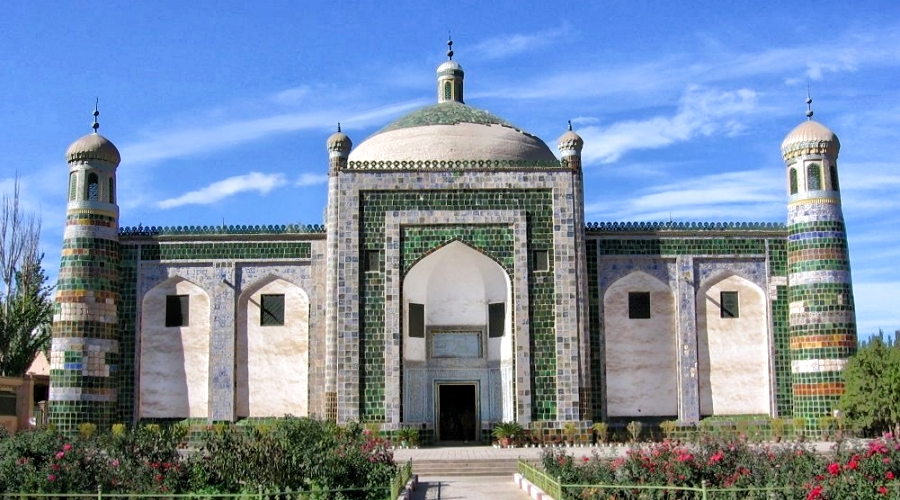
China’s Islamic heritage reflects more than 1,300 years of exchange along the Silk Road and maritime trade routes. From ancient tombs and bilingual inscriptions to living intangible traditions, these heritage sites reveal how Islamic culture integrated with Chinese society while maintaining its distinct identity.
This guide provides a structured overview of major Islamic Heritage in China, designed for cultural researchers, travel planners, and tourism development.
Historical Islamic Heritage Sites and Sacred Tomb Complexes
These physical sites form the foundation of Islamic Heritage in China, representing early arrival, settlement, and cultural integration.
Quanzhou Mount Ling Sacred Tomb
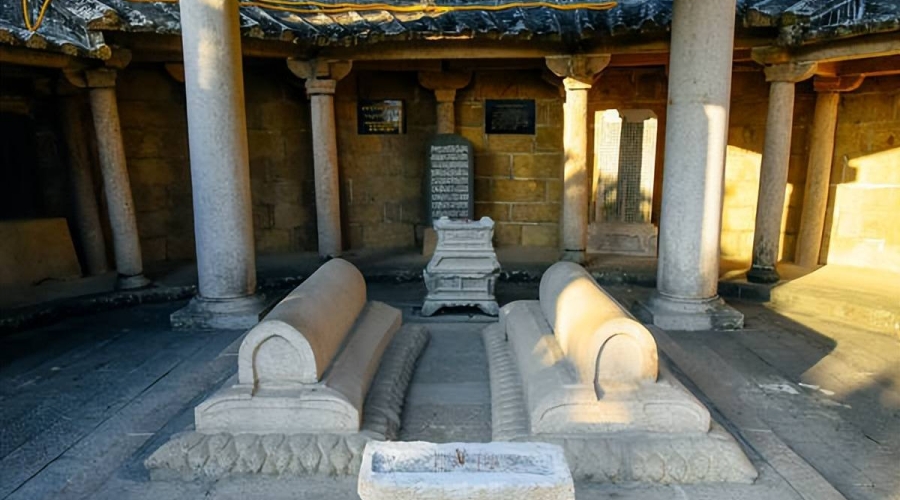
Guangzhou Ancient Tomb of Early Islamic Figures
Located in southern China, this burial site is linked to early Islamic envoys and scholars who traveled during the Tang period. It is the ancient tomb of early Islamic figures, traditionally identified as the burial site of the Tang Dynasty missionary Abu Wan Gaisu (阿布·宛葛素). It represents the historical introduction of Islamic Heritage into coastal China through maritime trade networks.
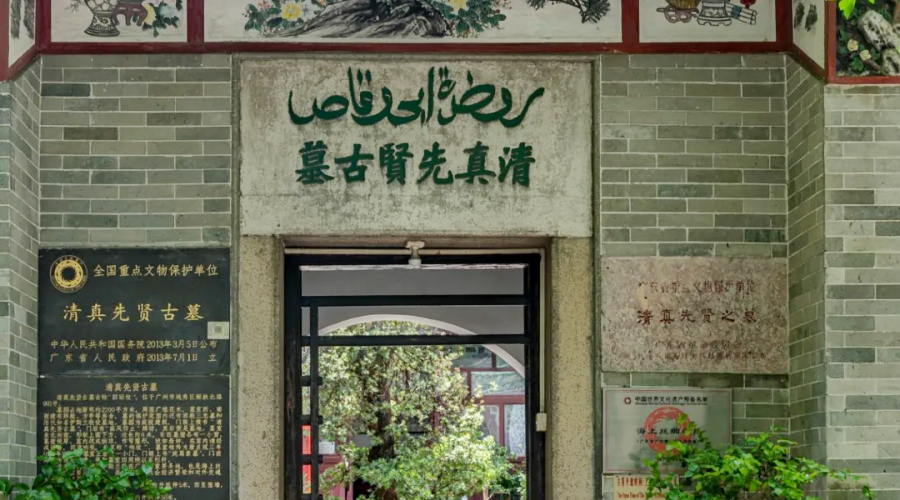
Gate of Guangzhou Ancient Tomb
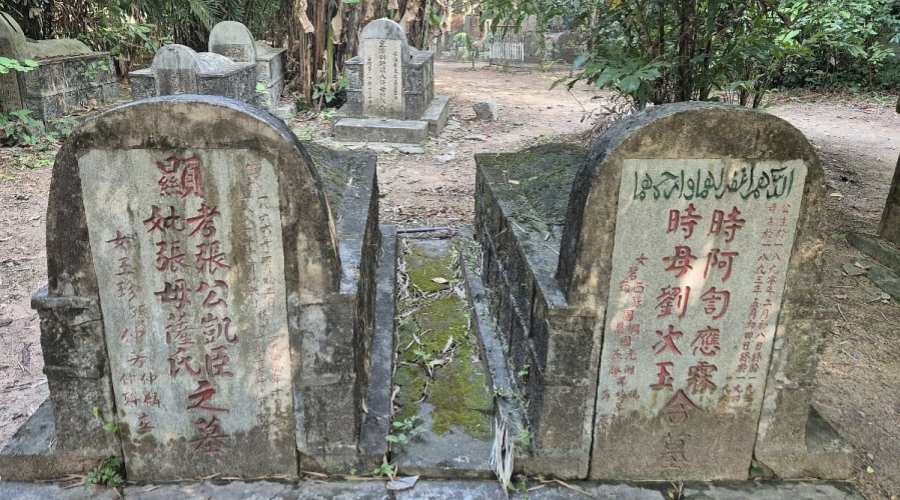
Guangzhou Ancient Tomb
Yangzhou Puhaddin Tomb Complex
The Yangzhou Puhaddin Tomb Complex is one of the most important Islamic heritage sites in eastern China. It is traditionally associated with descendants of the Prophet Muhammad. The complex integrates a burial area, historical architectural structures, and landscaped design influenced by both Islamic and Chinese traditions. It represents a rare fusion of cultural and architectural systems.

The Islamic cemetery of revered elders contains the tomb of Puhaiding and many Muslims from both China and abroad.
Moer Temple Ruins (Kashgar Region)
The Moer Temple Ruins are among the earliest archaeological remains of Islamic religious architecture in Northwest China. The site provides key evidence of early Islamic expansion in Xinjiang and its integration into local cultural landscapes.
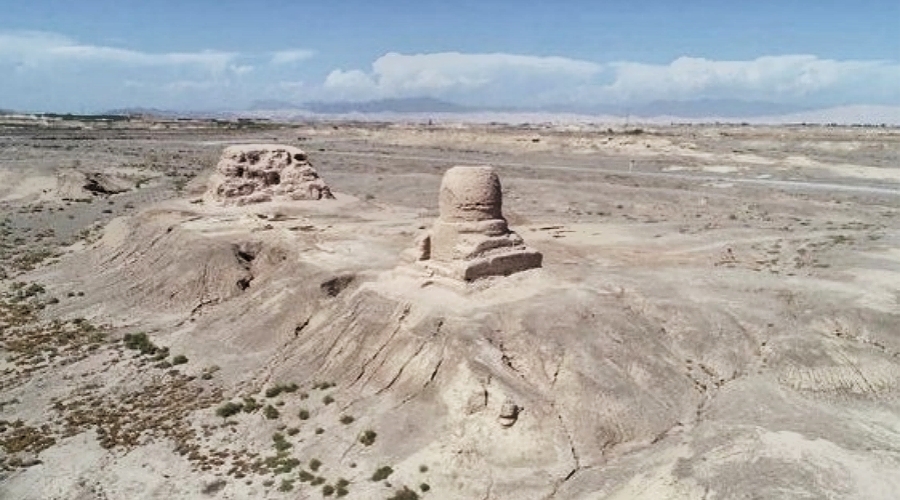
Moer Temple Ruins
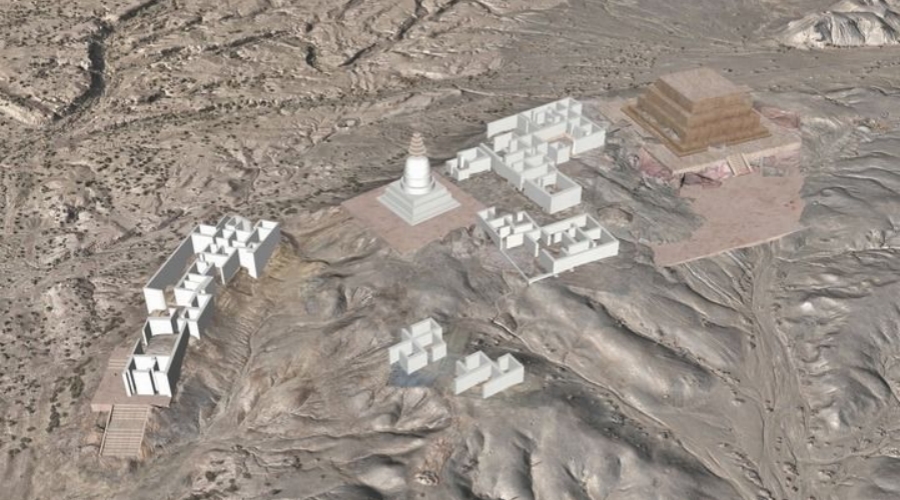
Moer Temple Ruins
Su Gong Ta Minaret (Turpan)
The Su Gong Ta Minaret is a landmark of Islamic Heritage in Xinjiang. Built during the Qing period, it features geometric brick carvings and floral motifs. It remains one of the tallest historical Islamic-style towers in China and reflects Central Asian architectural influence.
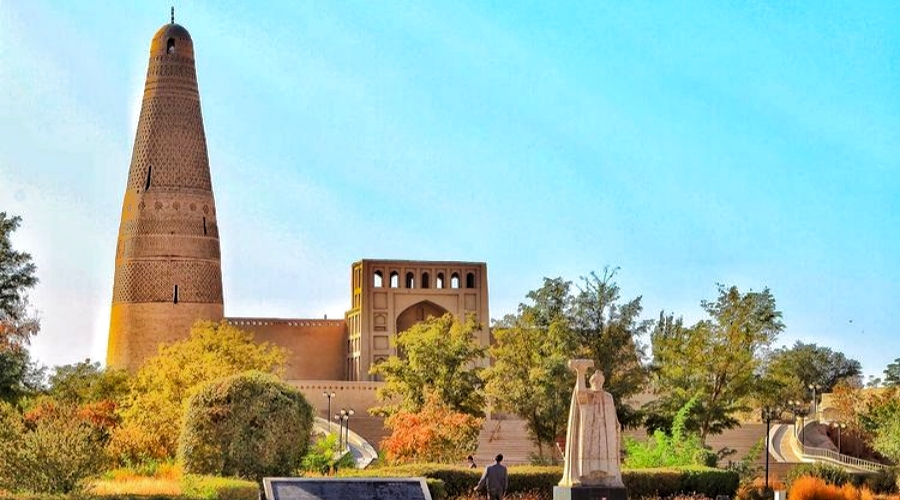
Su Gong Ta Minaret
Abakh Hoja Mausoleum (Kashgar)
This large mausoleum complex is a significant example of Islamic aristocratic burial architecture. It features domes and glazed brick decoration, combining Uyghur and Central Asian artistic traditions.
3_副本.jpg)
Abakh Hoja Mausoleum
Yusuf Khass Hajib Mausoleum
Dedicated to the author of Kutadgu Bilig, this site represents a major cultural landmark of Uyghur Islamic literary heritage and intellectual history.
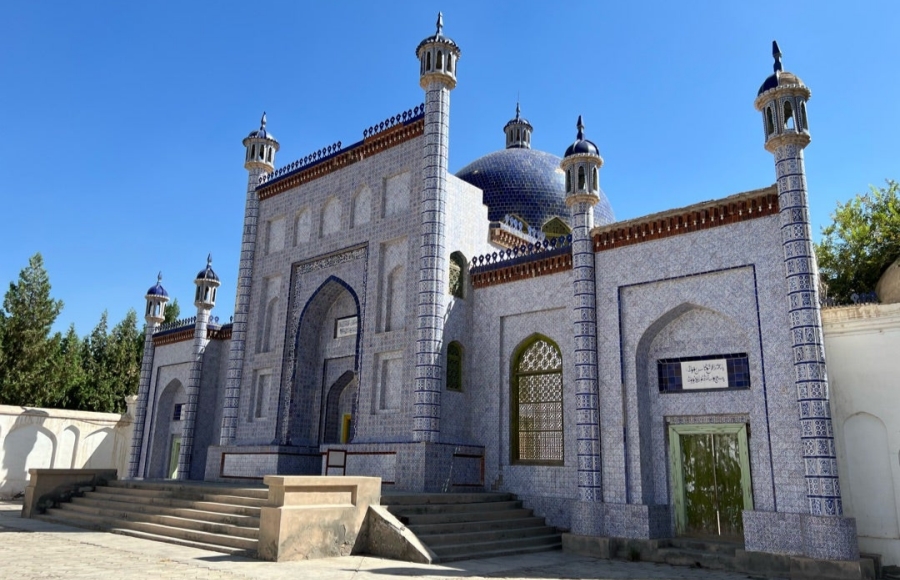
Yusuf Khass Hajib Mausoleum
Inscriptions, Manuscripts, and Multilingual Stone Carvings
These artifacts represent intellectual and commercial dimensions of Islamic Heritage in China.
Confucian-Islamic Epigraphic Integration
Inscriptions such as the “Rebuilding the Mosque Record” and “Inscription of Rebirth” demonstrate how Islamic theology was interpreted through Confucian philosophical concepts such as Yin-Yang and Five Elements. This reflects the cultural integration known as “Confucian interpretation of Islamic teachings.”
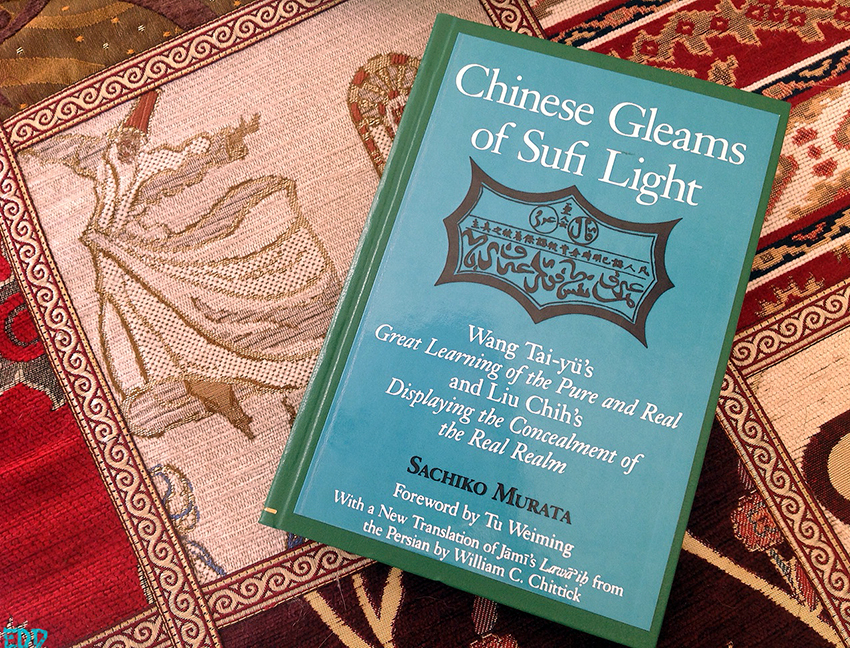
Confucian-Islamic Epigraphic Integration
Multilingual Stone Inscriptions of Quanzhou
Quanzhou has produced a large number of Arabic stone inscriptions and tomb engravings. These records document the presence of Persian and Arab merchants in China and serve as critical evidence of maritime Silk Road trade routes and cross-cultural exchange.
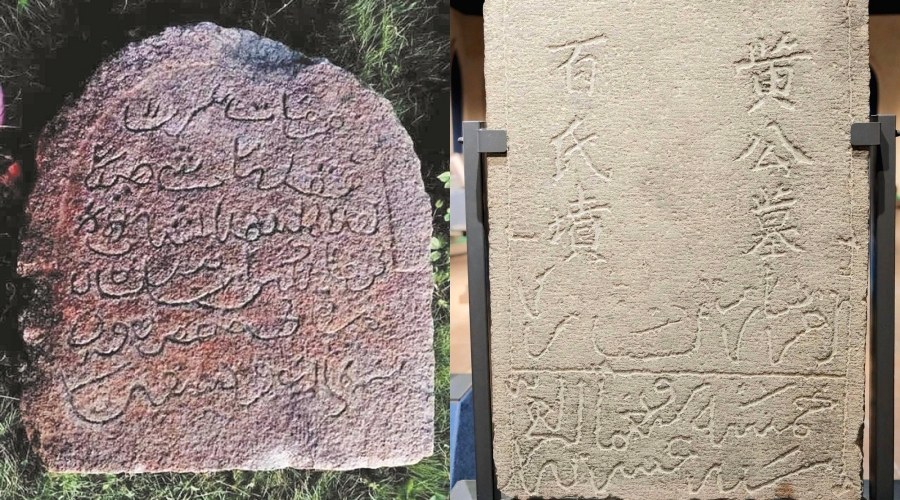
Multilingual Stone Inscriptions of Quanzhou
Arabic Stone Inscriptions in Guangzhou and Quanzhou
Bilingual and Arabic inscriptions found in Quanzhou Qingjing cultural sites and Guangzhou heritage sites provide valuable primary sources for studying diplomacy, commerce, and cultural transmission along the maritime Silk Road.
Classical Islamic Manuscripts and Literary Heritage
Ancient Qur’an Manuscripts
Handwritten Qur’anic manuscripts from the Yuan, Ming, and Qing dynasties are preserved in various cultural institutions. Many feature intricate Arabic decorative calligraphy, representing some of the highest-level historical Islamic artifacts in China.
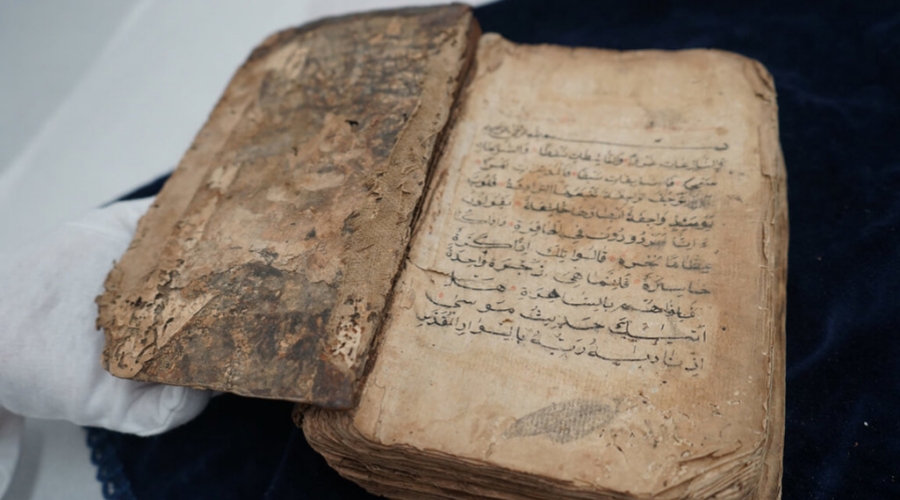
A 500-year-old handwritten manuscript of the Quran.
Islamic Chinese-Language Theological Works
The “Hui-Ru Translation Tradition” includes major works such as:
- Wang Daiyu: True Interpretation of the Orthodox Teaching
- Liu Zhi: The Philosophy of Islam
- Ma Zhu: Guide to Islam
These texts integrate Confucian philosophy with Islamic theology, forming a unique intellectual tradition in Chinese Islamic Heritage.
Turkic-Islamic Literary Tradition
Classics such as Kutadgu Bilig and Dīwān Lughāt al-Turk represent the literary and philosophical achievements of the Karakhanid period. These works are recognized as global treasures of Islamic civilization.
Intangible Islamic Cultural Heritage
Islamic Heritage in China is not limited to physical sites; it continues through living traditions.
Religious Festivals and Community Traditions
Key cultural traditions include:
- Eid al-Fitr, Eid al-Adha, and Mawlid observances of the Hui community
- Nowruz festival of the Uyghur community
- Collective Sama ceremonial dance traditions (recognized as national intangible heritage)
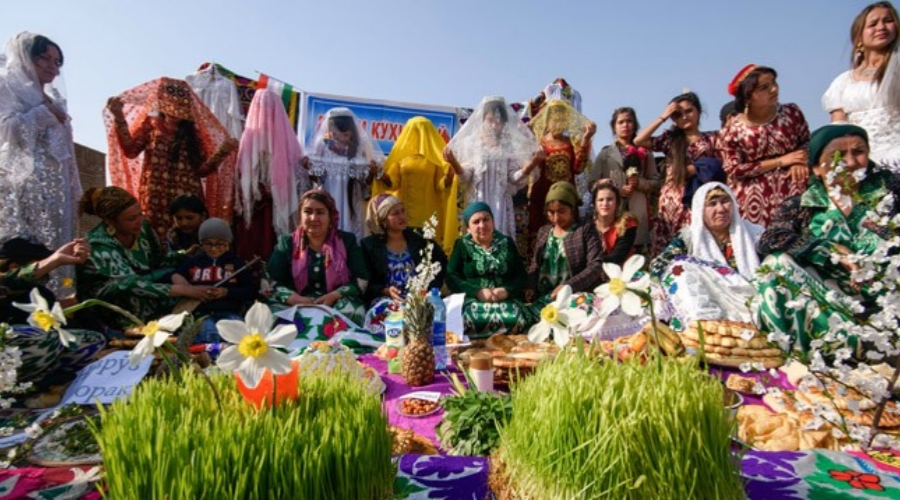
Nowruz festival of the Uyghur community
These festivals reflect continuity of Islamic cultural identity across diverse ethnic groups.
Traditional Music, Dance, and Performing Arts
Hua’er Folk Tradition
The Hua’er folk songs of Hui, Dongxiang, and Salar communities blend Islamic vocal traditions with regional musical forms influenced by Arabic chanting rhythms. It is one of China’s earliest recognized intangible cultural heritage elements.
Twelve Muqam System
The Uyghur Twelve Muqam is a large-scale musical tradition combining court music, folk performance, and classical composition. It is recognized as a representative masterpiece of human intangible cultural heritage.
Regional Musical Traditions
Other important traditions include:
- Hui mouth organ music
- Traditional banquet songs of the Bao’an people
These forms reflect cultural diversity within Islamic communities in China.
Traditional Crafts and Artistic Expression
Bao’an Sword Forging Technique
This highly complex craft involves more than 40 production stages. Decorative patterns often include Arabic calligraphy and geometric designs, reflecting Islamic artistic principles.
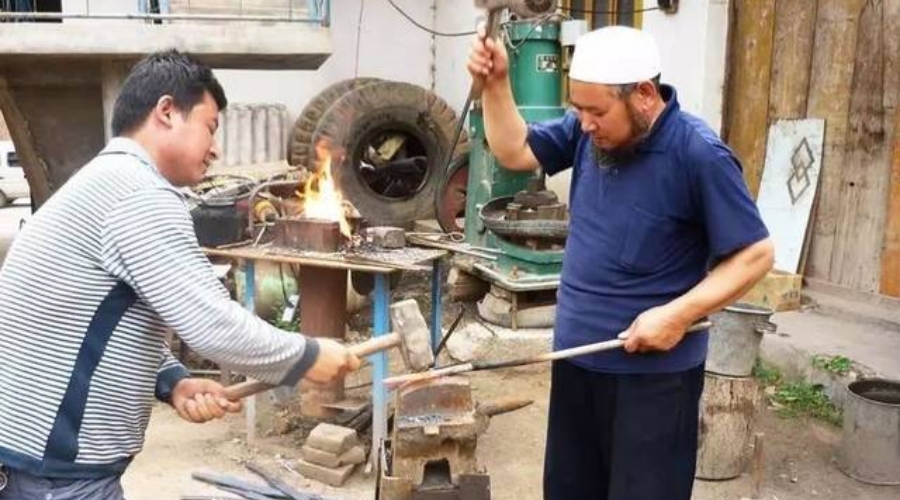
Bao’an Sword Forging Technique
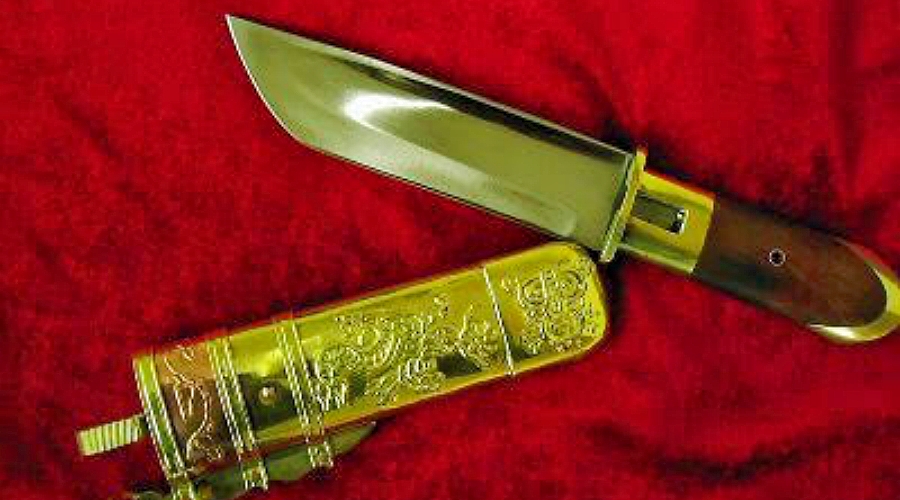
Bao’an Sword Forging Technique
Hui Filigree Inlay Craft
Silver filigree craftsmanship used for religious ornaments and prayer beads demonstrates refined Islamic decorative art combined with Chinese metalworking traditions.
Uyghur Carpet Weaving and Xinjiang Knife Craftsmanship
These crafts are characterized by geometric Islamic motifs and Central Asian artistic influence.
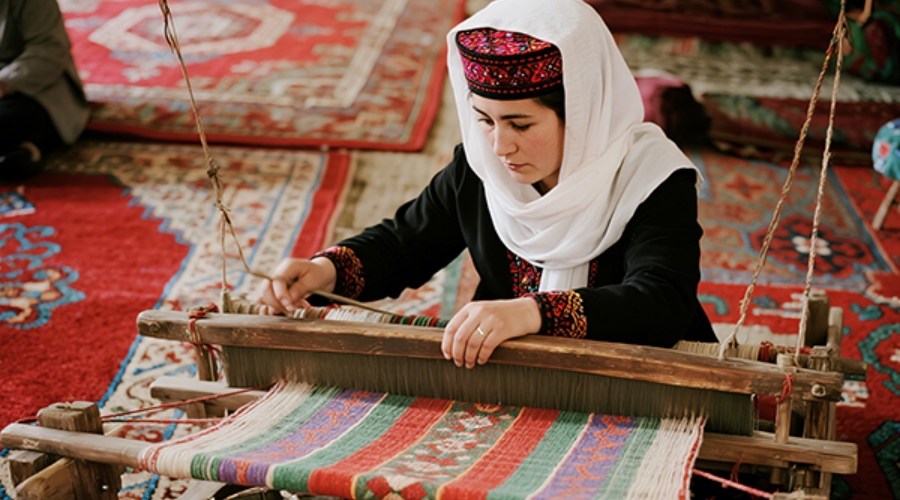
Uyghur Carpet
Arabic Calligraphy Art
Practiced by Hui and Uyghur artisans, Arabic calligraphy is a central artistic expression emphasizing textual beauty over figurative representation.
Traditional Medicine and Body Culture
Hui “Tombak Eight Diagnostic Therapy”
This national intangible cultural heritage integrates Islamic healing traditions from Persia with Chinese meridian theory. It originated from ritual purification practices and evolved into a structured therapeutic system.
These elements demonstrate China’s role as a major node in the historical Maritime Silk Road and its long-standing cultural connectivity with the Islamic world.