
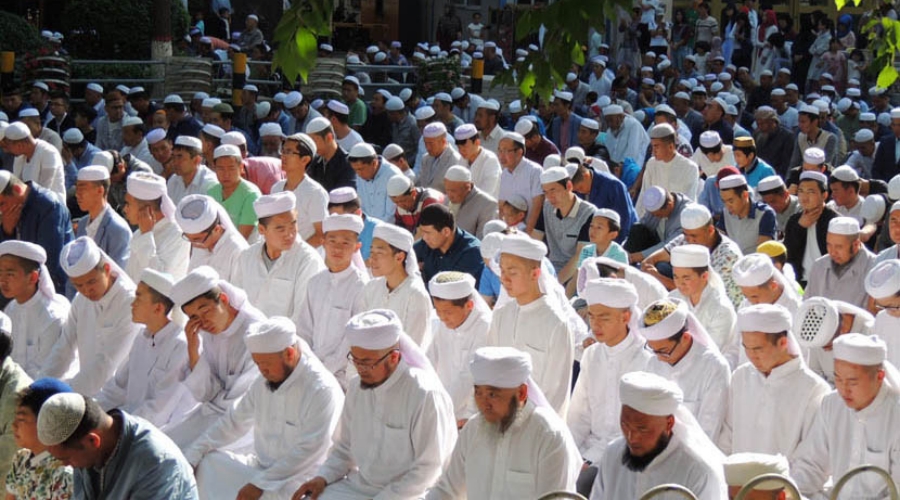
Eid al-Fitr in China marks the end of Ramadan and is one of the most important festivals for Muslim communities across the country. It is a time for prayer, family gatherings, sharing food, and giving charity. While China is not a Muslim-majority country, Eid al-Fitr in China is widely observed in regions with large Muslim populations such as Xinjiang, Ningxia, Gansu, and in major cities like Beijing, Shanghai, and Xi’an.
This guide explains how Eid al-Fitr in China is celebrated, where people gather for prayer, what food is commonly shared, and what travelers can expect during the festival.
Understanding Eid al-Fitr in China
Eid al-Fitr in China is mainly celebrated by the Hui and Uyghur communities, along with smaller Muslim groups living across the country. The festival begins after the sighting of the new moon, marking the end of Ramadan fasting.
On this day, Muslims gather early in the morning for Eid prayer, visit relatives, give charity (Zakat al-Fitr), and share meals with family and friends. Although customs vary from region to region, the meaning remains the same everywhere: gratitude, community, and spiritual renewal.
In western regions like Xinjiang, celebrations are more traditional and lively. In cities such as Beijing and Shanghai, the atmosphere is more urban but still centered around mosques and Muslim neighborhoods.
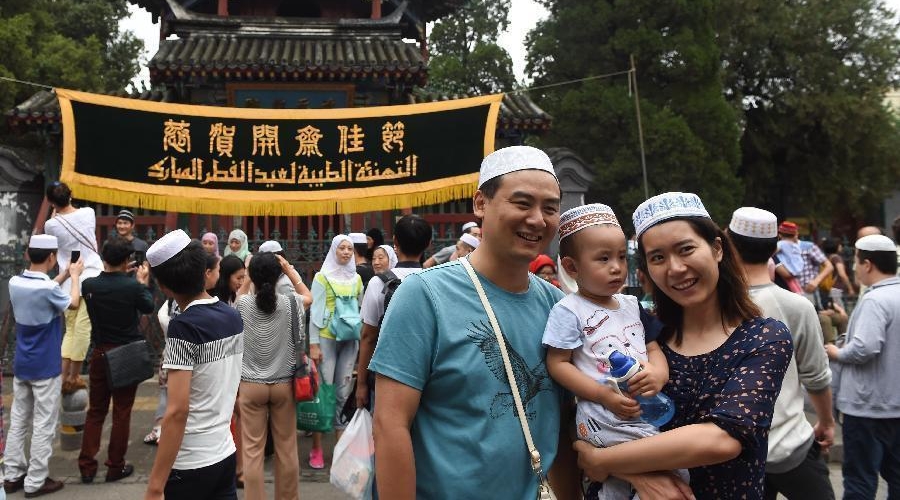
Eid al-Fitr at the Niujie Mosque in Beijing, capital of China
Eid Prayer in China
The most important part of Eid al-Fitr in China is the Eid prayer, performed in congregation at mosques or designated prayer spaces.
Morning Prayer Gathering
On Eid morning, mosques fill quickly. Many people arrive early to secure space, especially in large cities. Worshippers wear their best clothes, and mosques often extend prayer areas when needed.
After the prayer, an imam delivers a short sermon (khutbah), reminding the community about gratitude, patience, and charity.
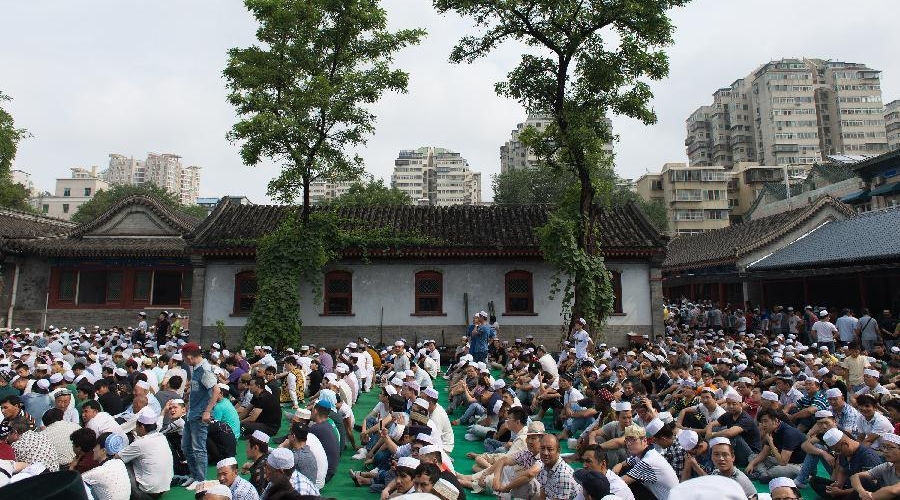
Muslims prepare to pray at the Ox Street Mosque in Morning in Beijing, China
Where Eid Prayer Happens
Eid prayer in China takes place in:
- Local mosques in major cities
- Large Islamic centers in Muslim districts
- Open spaces near mosques in crowded areas
In cities like Beijing and Shanghai, attendance is especially high, so nearby streets around mosques often become active gathering points.
Practical Advice for Visitors
If you are visiting during Eid al-Fitr in China:
- Arrive early if you plan to observe prayers
- Dress modestly and respectfully
- Expect crowds around mosques in the morning
- Follow local community instructions
Traditions of Eid al-Fitr in China
Eid al-Fitr in China is both a religious and community celebration. While Islamic practices are consistent, local customs add cultural diversity.
Charity Before Eid
Before Eid prayer, Muslims give Zakat al-Fitr, a form of charity meant to support those in need. This practice is widely followed across all Muslim communities in China.
Family Visits and Gatherings
After prayers, families visit relatives and neighbors. It is common to greet each other with “Eid Mubarak” and share meals together. In many communities, homes remain open to guests throughout the day.
Local Cultural Influence
Over centuries, Islamic traditions in China have blended with local culture. In many places, Eid celebrations include:
- Traditional Chinese-Muslim clothing
- Community food sharing events
- Regional folk customs within Muslim neighborhoods
This combination makes Eid al-Fitr in China different from celebrations in the Middle East or Southeast Asia.
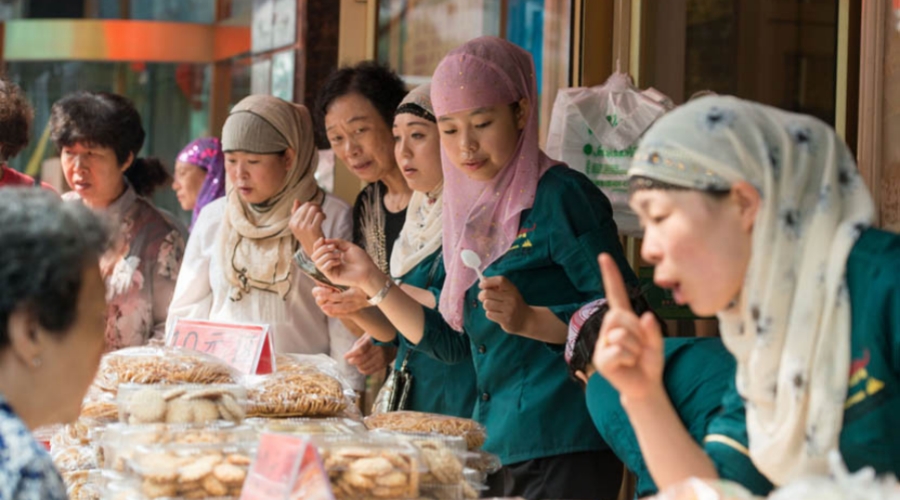
Muslim women sell snacks during Eid al-Fitr near the historic Niujie Mosque
Halal Food During Eid al-Fitr in China
Food is an essential part of Eid al-Fitr in China. After a month of fasting, families prepare special halal dishes and share them with relatives, friends, and neighbors.
Common Eid Foods
Across China, typical Eid meals include:
- Hand-pulled noodles (lamian)
- Lamb skewers and roasted meat
- Dumplings and steamed buns
- Sweet rice-based desserts

Lanzhou Hand-Pulled Beef Noodles
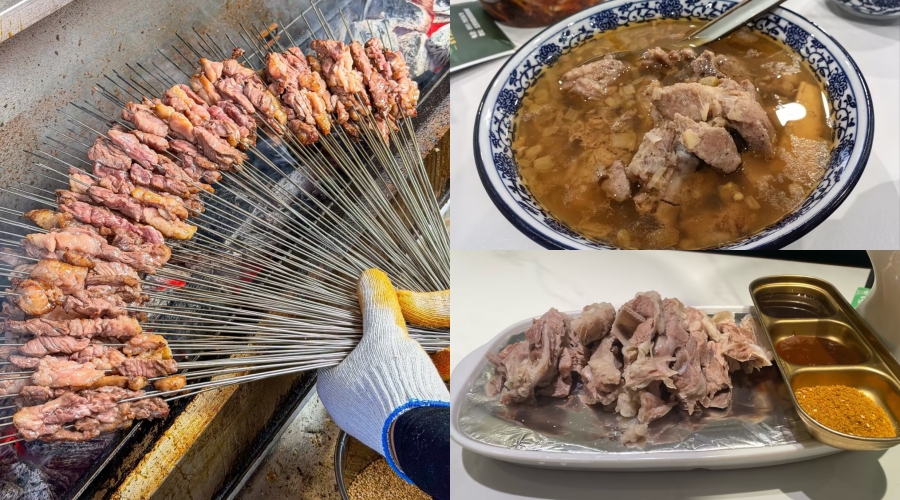
Lamb dishes
In many cities, Muslim food streets become especially busy during Eid.
Regional Food Differences
Eid food varies across regions:
- Xinjiang: lamb dishes, naan bread, pilaf, and grilled meat
- Xi’an: Hui-style noodles, soups, and street food
- Beijing: halal restaurants offering noodles, hot dishes, and snacks
- Shanghai: more modern halal cuisine with international influences

Ningxia-Style Hand-Eaten Lamb
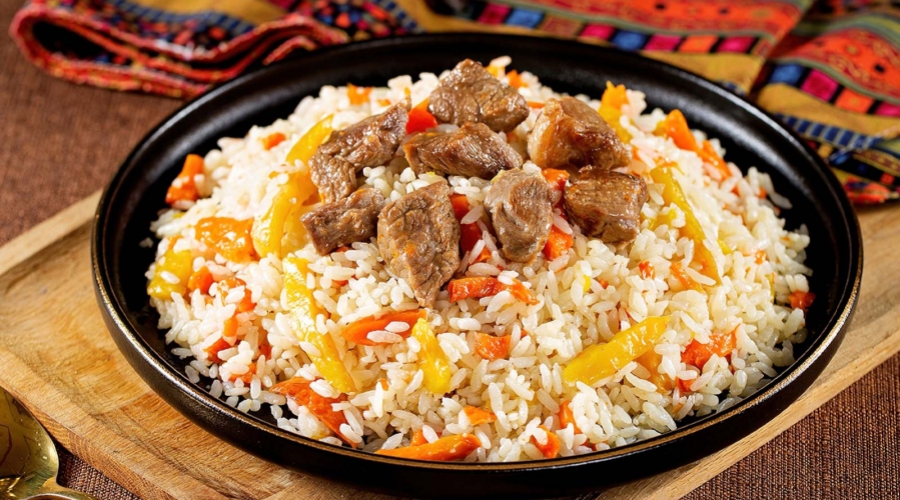
Xinjiang Pilaf
Despite differences, the focus everywhere is sharing food and hospitality.
Travel Experience During Eid al-Fitr in China
For travelers, Eid al-Fitr in China offers a rare opportunity to observe Muslim life in East Asia. While it is not a national public holiday, Muslim districts become active and welcoming.
What You Will See
- Busy mosques in the early morning
- Crowded halal food streets during the day
- Family gatherings in Muslim neighborhoods
- A strong sense of community and celebration
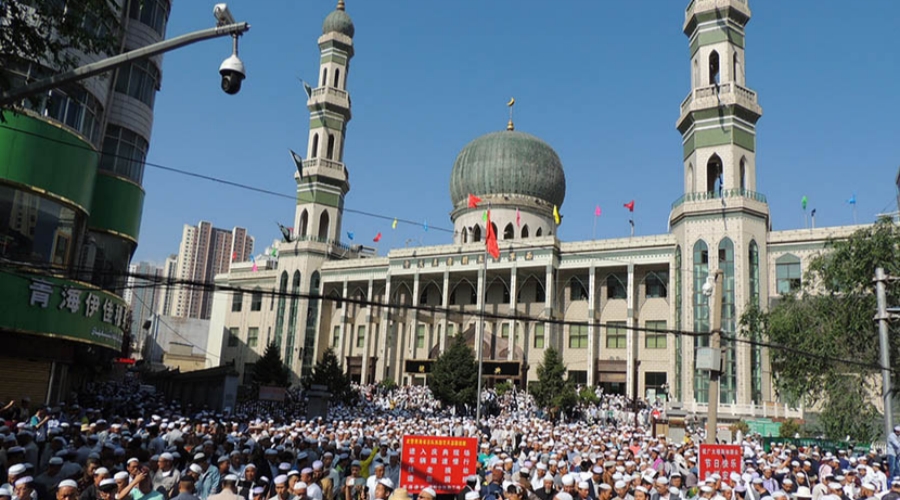
Chinese Muslims Celebrate Eid al-Fitr
Best Cities to Experience Eid
Some of the best places to experience Eid al-Fitr in China include:
- Xinjiang– the most traditional and vibrant celebrations
- Xi’an– historic Islamic heritage and strong food culture
- Beijing– major mosques and Hui Muslim districts
- Shanghai– a modern city with active Muslim communities
Each city offers a different view of how Eid al-Fitr in China is practiced.
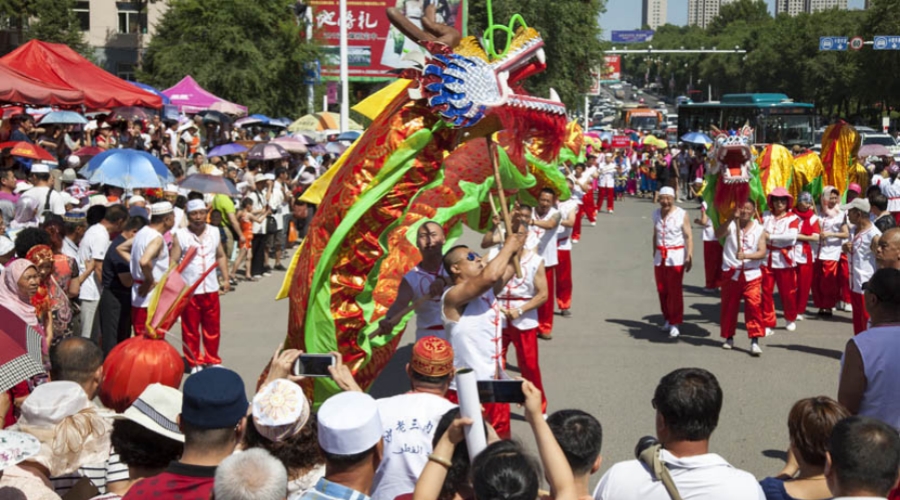
Dragon dance teams perform in front of a mosque to celebrate Eid al-Fitr in Jilin City, Jilin province
Why Eid al-Fitr in China Is Unique
Eid al-Fitr in China stands out because Islam has a long history in the country, dating back over 1,300 years. The celebration reflects both religious tradition and local cultural influence.
Unlike many Muslim-majority countries where Eid is a nationwide public holiday, Eid al-Fitr in China is mainly community-based. This creates a more localized and intimate atmosphere centered around mosques and Muslim neighborhoods.
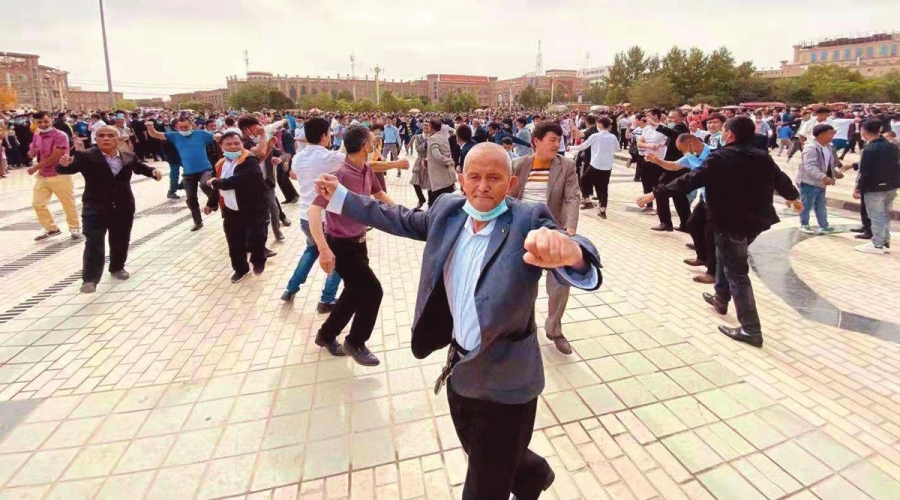
People dance to celebrate Eid al-Fitr in Kashi, Xinjiang
Eid al-Fitr in China is a meaningful celebration that combines faith, family, and food. From early morning prayers in mosques to shared meals in Muslim communities, the festival reflects both religious devotion and cultural diversity.
Whether in Xinjiang’s traditional streets or Beijing’s urban mosques, Eid al-Fitr in China offers a unique experience that connects spiritual practice with everyday life.