Silk road, ENDLESS LANDSCAPES

Xinjiang

Explore Xinjiang's Silk Road heritage, diverse cultures, breathtaking landscapes, and Muslim-friendly experiences across China's most unique western region.

  • Halal-Friendly Experiences
  • Customizable Itineraries
  • B2B Focused Solutions

Why Visit Xinjiang?

Xinjiang is a unique destination where Silk Road history, diverse cultures, and dramatic landscapes come together. From ancient cities and Islamic heritage to deserts, mountains, and authentic halal cuisine, it offers unforgettable travel experiences in western China.

Silk Road Heritage

Ancient trade routes linking China with Central Asia.

Muslim Cultural Heritage

Discover Xinjiang's Islamic heritage, Uyghur culture, and halal flavors.

Desert & Mountain Landscapes

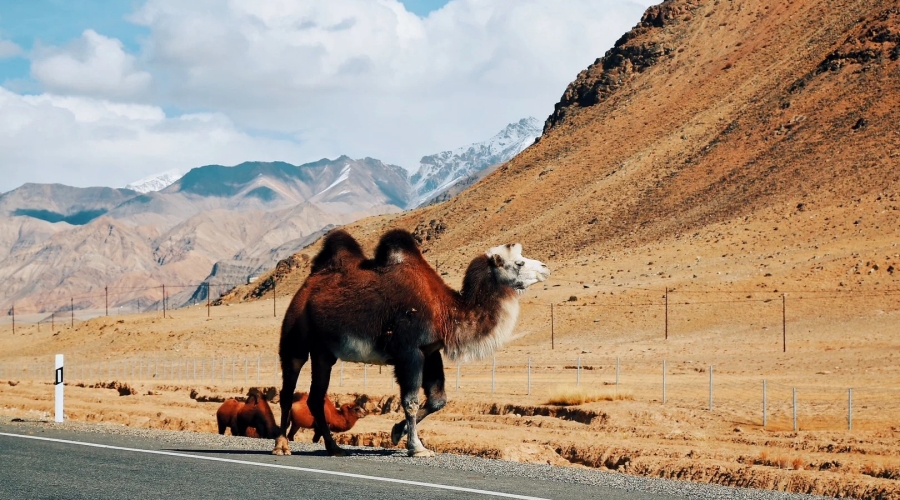
Explore Xinjiang’s diverse landscapes, from deserts and lakes to the Tianshan Mountains.

Local Culture & Cuisine

Experience Uyghur markets, villages, crafts, and regional flavors.

Best Time to Visit Xinjiang

Xinjiang's dry continental climate varies greatly by region and season. The best time to visit depends on your clients' routes and interests, from northern grasslands and desert landscapes to southern Silk Road cities.

Spring (March – May)

  • Cool and dry: 5–20°C (41–68°F)
  • Blooming flowers in Ili Valley and Turpan, with snowy mountain scenery creating a mix of spring and winter landscapes
  • Desert areas may experience strong winds and occasional sandstorms
  • Best For: Silk Road city exploration, desert landscapes, cultural visits, and early-season photography

Summer Season (Jun – Aug)

  • Warm to hot: 20–40°C (68–104°F), with cooler temperatures in mountain areas
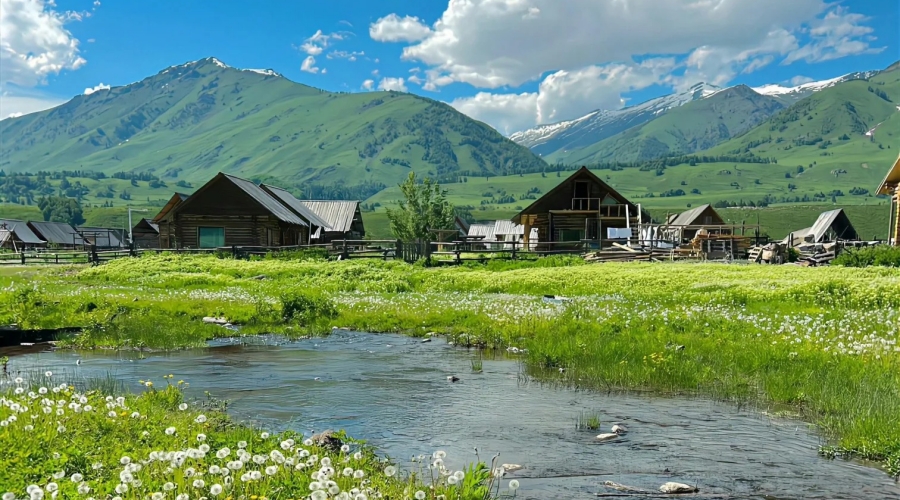
  • Long daylight hours, vibrant grasslands, alpine lakes, and mountain valleys at their best
  • Desert areas like Turpan can be extremely hot during the day
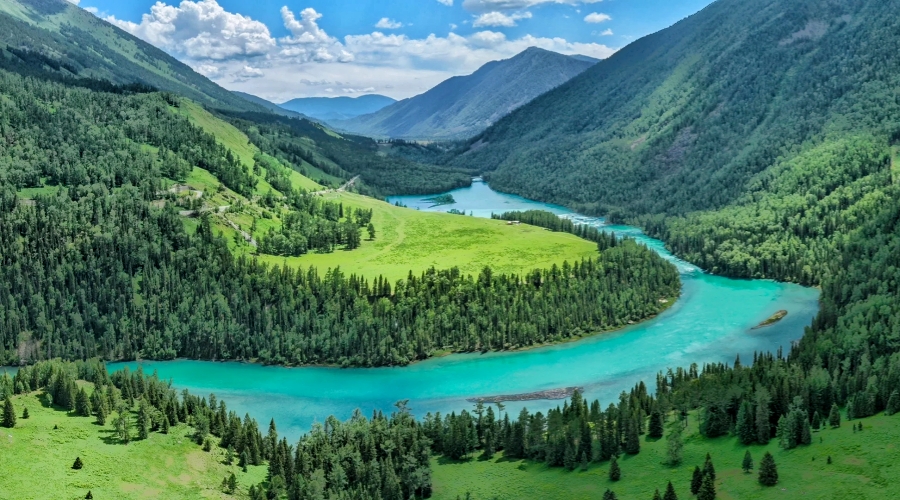
  • Best For: Kanas Lake, Tianshan Mountains, grasslands, hiking, scenic drives, and Northern Xinjiang tours

Autumn Season (Sep – Nov)

  • Cool and comfortable: 10–25°C (50–77°F)
  • Clear skies, golden forests, and colorful landscapes make it the most popular season for Xinjiang travel
  • Enjoy harvest markets, fresh fruits, and local village life
  • Best For: Kanas scenery, Ili Valley, photography tours, Silk Road sites, and cultural experiences

Winter Season (Dec – Feb)

  • Cold and dry: -15–-5°C (5–23°F)
  • Snow-covered mountains, frozen lakes, and peaceful winter landscapes with fewer visitors
  • Temperatures vary greatly between northern Xinjiang and southern cities like Kashgar
  • Best For: Snow scenery, Kashgar culture, winter photography, local cuisine, and traditional markets

Climate Overview:

Summer: 20-40°C (June-Aug) | Winter: -15–-5°C (Dec-Feb) | Rainfall: Limited throughout the year, mainly concentrated in mountain areas | Best travel periods: May–June and September–October for comfortable weather, scenic landscapes, and outdoor exploration.

Top 6 Must-Try Halal Foods in Xinjiang

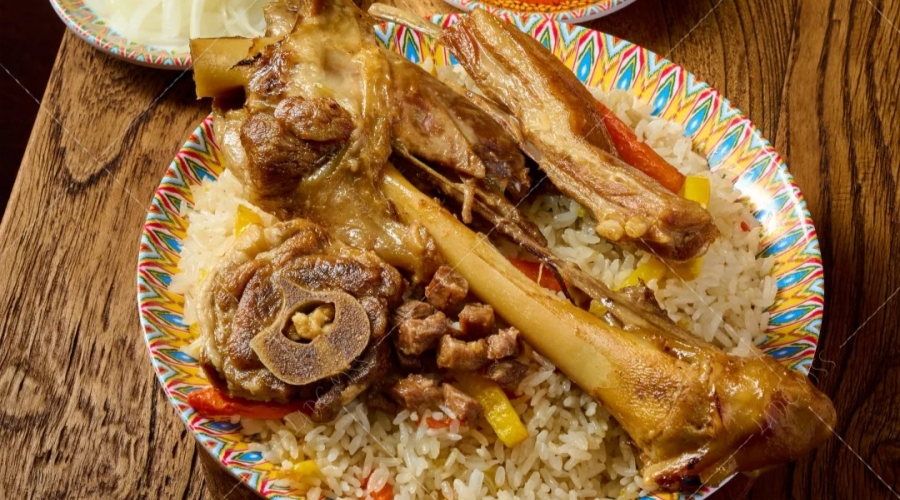
Xinjiang Pilaf / Polo (新疆抓饭)

Xinjiang Pilaf / Polo (新疆抓饭)

A traditional rice dish cooked with lamb, carrots, onions, and spices. The rich aroma and balanced flavors make it a favorite among local Muslim communities.
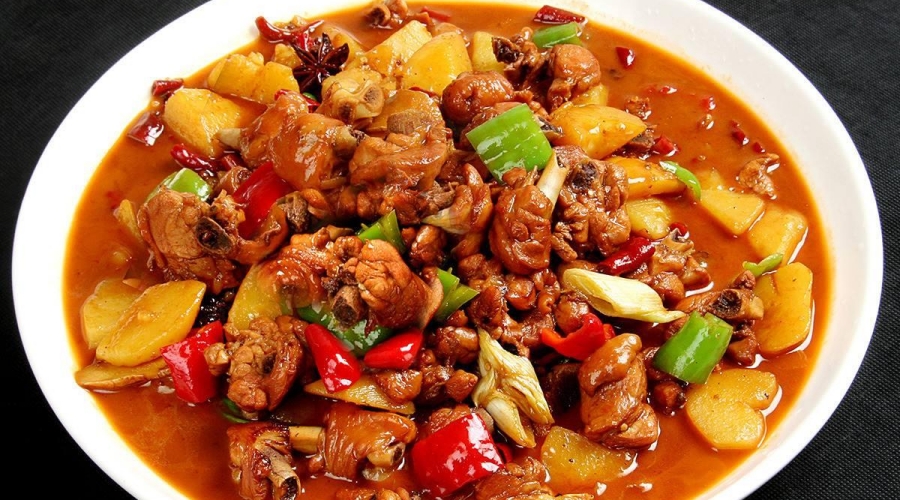
Big Plate Chicken (大盘鸡)

Big Plate Chicken (大盘鸡)

A famous Xinjiang halal dish combining tender chicken, potatoes, peppers, and spices in a rich sauce, usually served with handmade noodles or bread for sharing.
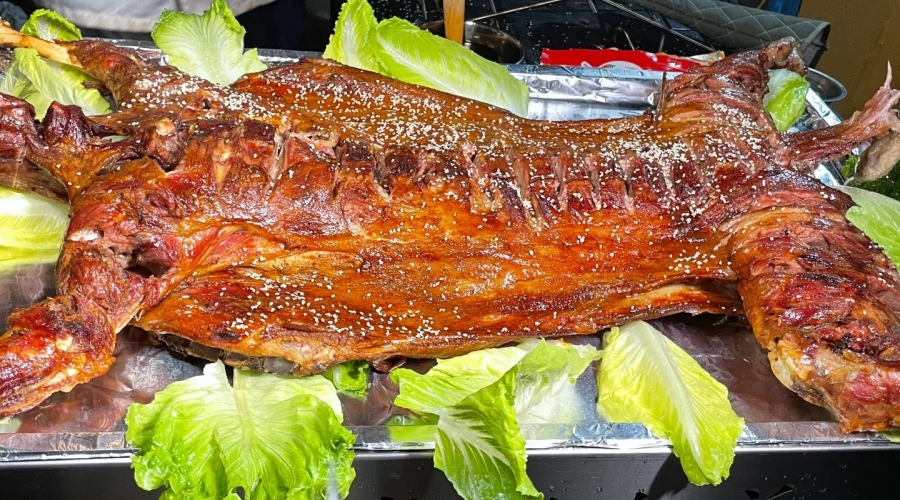
Roast Whole Lamb (烤全羊)

Roast Whole Lamb (烤全羊)

A traditional feast dish prepared for celebrations and special occasions. The lamb is roasted until golden and crispy outside while remaining tender and flavorful inside.
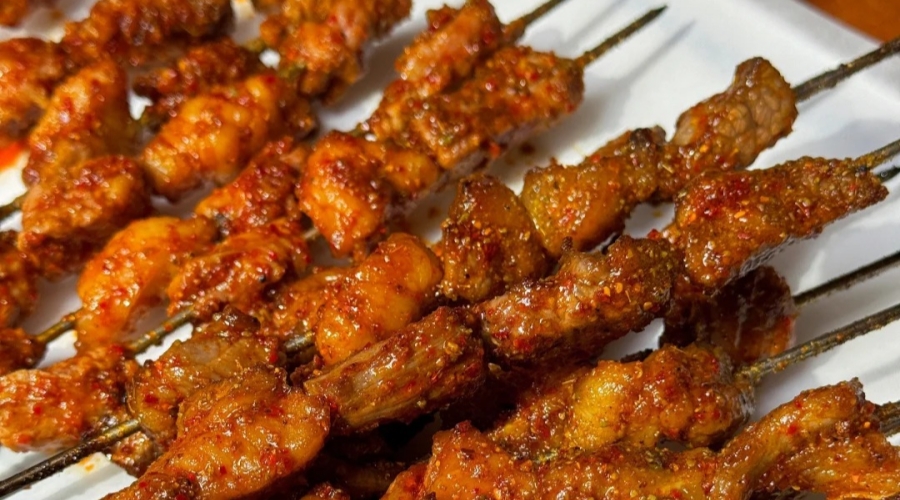
Xinjiang Lamb Skewers (新疆羊肉串)

Xinjiang Lamb Skewers (新疆羊肉串)

A Xinjiang street food classic featuring charcoal-grilled lamb seasoned with cumin, chili, and local spices. A must-try dish reflecting the region's nomadic food traditions.
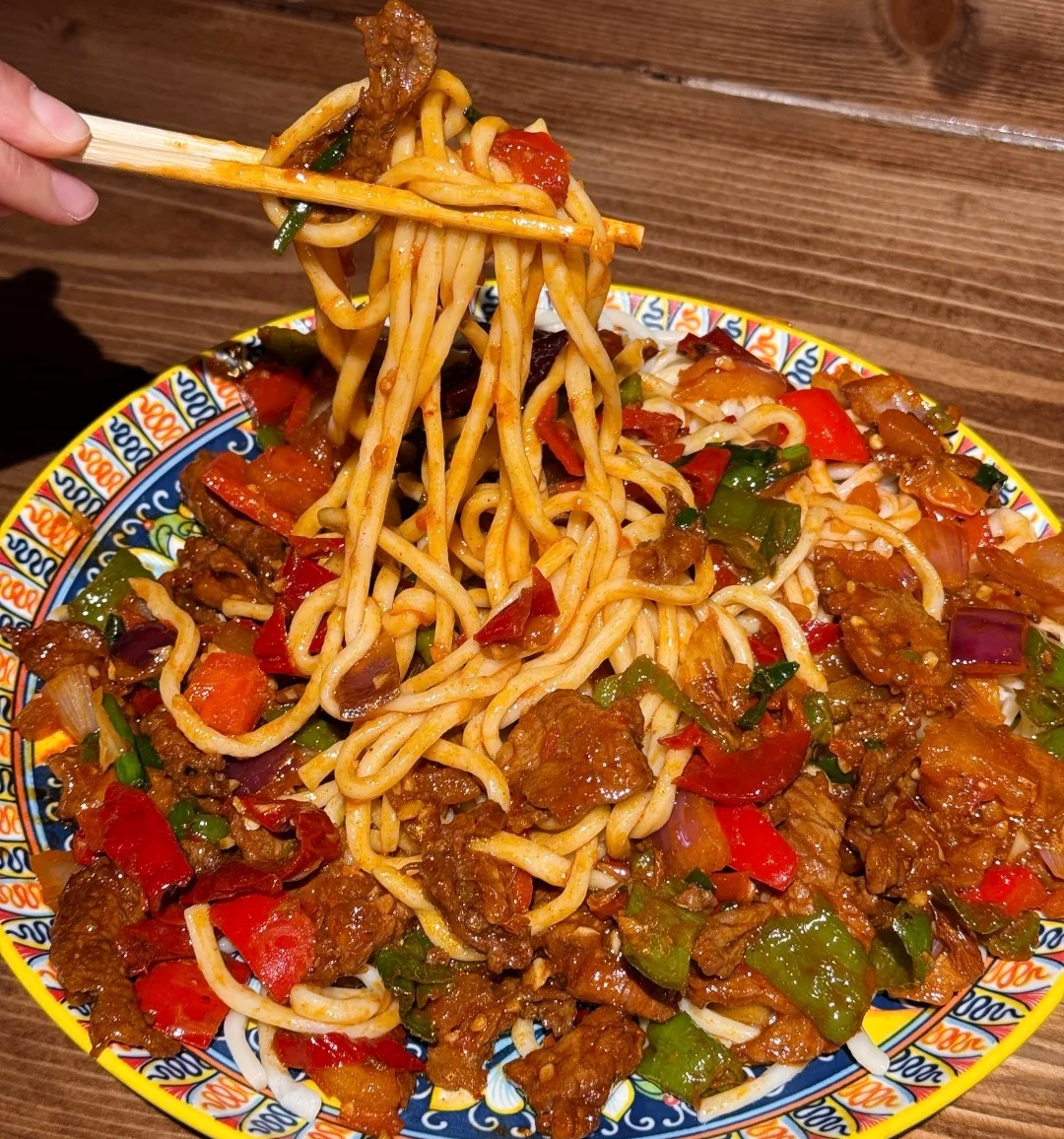
Laghman (新疆拌面)

Laghman (新疆拌面)

A Xinjiang halal noodle specialty with hand-pulled noodles, lamb, vegetables, and savory sauces. Guoyourou Banmian and Lapizi Banmian are popular local favorites.

Samsa (烤包子)

Samsa (烤包子)

A baked pastry filled with seasoned lamb, onions, and spices. Crispy outside and juicy inside, it is a popular snack in Xinjiang markets.

Xinjiang Travel Planning FAQs for Tour Operators

Local insights for building customized Xinjiang tour programs

Xinjiang is a Key Stop for Silk Road & Multi-City China Travel Routes

Xinjiang is a major destination in China’s northwest, offering Silk Road heritage, diverse ethnic cultures, desert landscapes, and mountain scenery. It is often included in 5–10 day China travel programs or combined with cities such as Xi’an, Beijing, Chengdu, and Central Asia gateways for deeper cultural and scenic experiences.

Xinjiang → Xi'an

It is about 2,500 KM between Xinjiang and Xi'an. A 3–4 hour flight or 20–30 hour overnight train connects the two regions. With 3–5 days in Xi'an, travelers can discover the Terracotta Warriors, ancient city walls, and Silk Road heritage shared with Xinjiang.

Xinjiang → Beijing

It is about 3,000 KM between Xinjiang and Beijing, connected by a 4–5 hour flight or high-speed train combinations. With 2–3 days in Beijing, travelers can explore imperial landmarks, the Great Wall, and China’s modern capital before or after Xinjiang.

Xinjiang → Chengdu

It is about 2,000 KM between Xinjiang and Chengdu. The best connection is by flight in around 3–4 hours or by train routes taking over 20 hours. With 2–3 days in Chengdu, travelers can enjoy giant pandas, Sichuan cuisine, and a relaxed city experience alongside Xinjiang's landscapes.

Xinjiang → Chongqing

It is about 2,200 KM between Xinjiang and Chongqing. Flights take around 3–4 hours, while train connections usually require longer travel times. With 2–3 days in Chongqing, travelers can explore mountain city views, Yangtze River scenery, and vibrant local culture.

Xinjiang → Dunhuang

Xinjiang and Dunhuang are about 1,000 KM apart, connected by train or private transfer in around 6–10 hours. With 1–2 days in Dunhuang, travelers can explore the Mogao Caves, Mingsha Mountain, and continue their Silk Road journey.

Xinjiang → Shanghai

Xinjiang and Shanghai are about 4,000 KM apart, connected by a 5–6 hour flight or long-distance train. With 2–4 days in Shanghai, travelers can experience its skyline, historic neighborhoods, and modern urban culture.

MAKE AN INQUIRY
TOP