

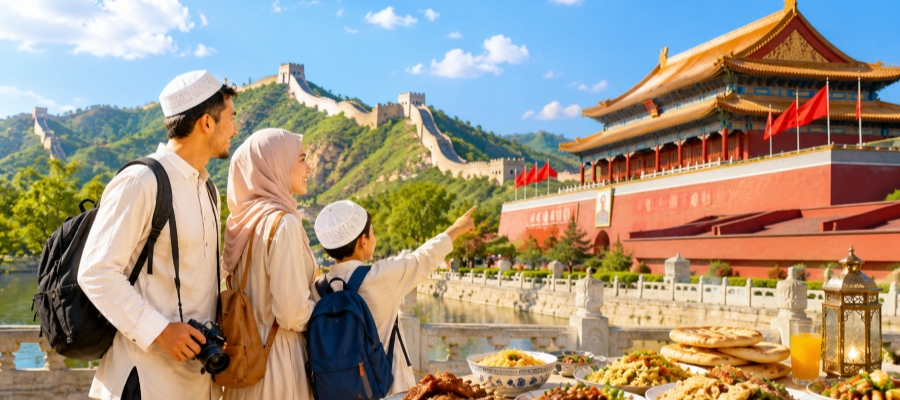
Traveling during Ramadan can present unique considerations, especially when visiting a country where Muslims are a minority. Fortunately, many destinations across China have long-established Muslim communities, historic mosques, and abundant halal dining options, making it possible for Muslim travelers to enjoy a comfortable and rewarding journey during the holy month.
From the historic streets of Xi'an and Beijing to the Silk Road cities of Northwest China, travelers can find halal food, mosque facilities, and cultural experiences that help support their travel plans throughout Ramadan. With a little preparation, Traveling in China during Ramadan can be both convenient and memorable.

Ramadan is the holiest month in the Islamic calendar
Is China a Good Destination During Ramadan?
China may not be a Muslim-majority country, but it is home to diverse ethnic communities and a long history of cultural exchange. Several ethnic groups, including the Hui, Uyghur, Kazakh, Dongxiang, Salar, and Bao'an peoples, have contributed to the country's rich Muslim cultural heritage.
As a result, many cities feature:
- Historic mosques
- Halal food districts
- Muslim-owned restaurants
- Communities familiar with Muslim travelers
- Convenient transportation networks
What Ramadan Feels Like in China
Ramadan in China may feel different from what travelers experience in Muslim-majority countries. In most destinations, daily life continues as usual.
- Attractions, shops, and public transportation to operate normally
- No widespread Ramadan decorations or adjusted business hours
- A generally low-key Ramadan atmosphere outside Muslim communities
In cities with long-established Muslim populations, such as Xi'an, Xining, Xinjiang, and Yinchuan, travelers may notice a stronger Ramadan presence, including:
- Busier halal restaurants before Iftar
- Increased activity around mosques in the evenings
- Special foods and seasonal treats available in local markets
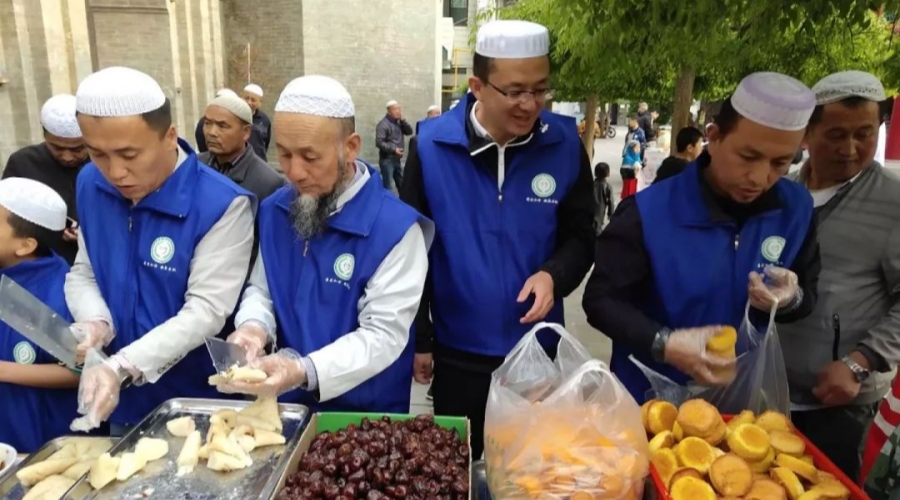
Volunteers prepare meals for fasting worshippers at Xining Dongguan Mosque during Ramadan
Rather than large public celebrations, Ramadan in China is often experienced through local communities, halal food districts, and cultural heritage sites.
What Should Muslim Travelers Expect During Ramadan in China?
Traveling during Ramadan in China is generally straightforward. Understanding local halal dining, mosque access, and available services can help make your journey more comfortable and enjoyable.
Halal Food Is Widely Available in Many Cities
In destinations with established Muslim communities, halal food is relatively easy to find. Restaurants displaying the Chinese characters "清真" (Qingzhen), meaning halal, can be found throughout many cities.
Popular destinations for halal dining include:
Hotels May Not Offer Special Ramadan Services
While international hotels may provide greater flexibility, most hotels in China do not typically adjust meal schedules for Ramadan.
Travelers planning to eat Suhoor may wish to purchase food the night before or choose accommodations near halal restaurants.
Mosque Availability Varies by Destination
Large cities and historic Muslim communities often have well-known mosques that travelers can visit. However, mosque accessibility and visitor policies may vary, so checking local information before visiting is recommended.
Experiencing Eid al-Fitr in China
At the end of Ramadan, many Muslim communities across China celebrate Eid al-Fitr, known in Chinese as "Kaizhai Jie" (开斋节). The festival marks the conclusion of the fasting month and is one of the most important cultural celebrations within Muslim communities.
While celebrations are primarily community and family occasions, travelers may notice a festive atmosphere in neighborhoods with strong Muslim cultural traditions.
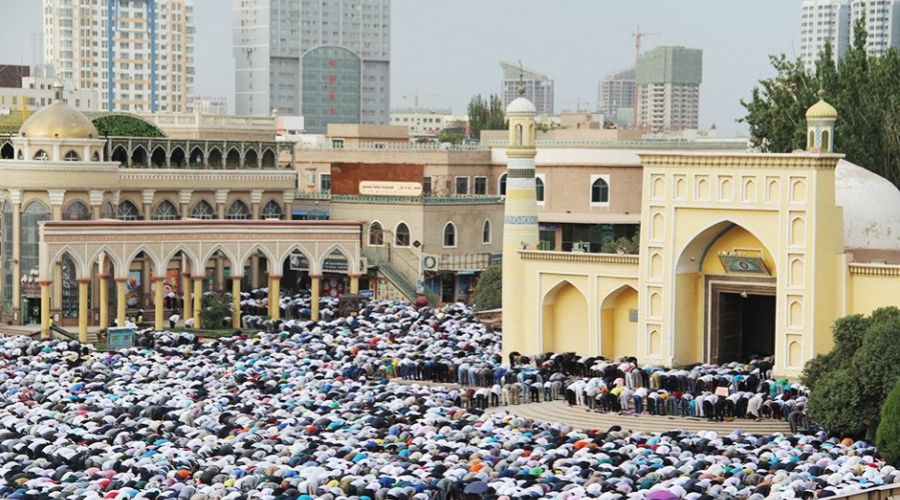
Thousands of Muslims gather for Eid al-Fitr prayers at Id Kah Mosque in Xinjiang
Best Places to Experience Eid Atmosphere
- Xi'an
The Muslim Quarter becomes especially lively, with busy food streets, family gatherings, and local markets offering traditional specialties.
- Xining
As one of Northwest China's cultural centers, Xining offers a vibrant halal food scene and community celebrations around the Dongguan Grand Mosque.
- Kashgar
The city's historic Old Town and traditional markets provide a unique glimpse into local customs and festive traditions.
- Yinchuan
Located in Ningxia Hui Autonomous Region, Yinchuan is known for its strong Hui cultural heritage and halal culinary traditions.
Traditional Foods During Eid
Food plays an important role in Eid celebrations across China, although dishes vary by region and ethnic tradition.
Popular festive foods may include:
- Lamb and beef specialties
- Hand-pulled noodles
- Traditional flatbreads and baked breads
- Rice dishes and regional specialties
- Sweet pastries and desserts
- Seasonal fruits and refreshments
In Northwest China, particularly in Xinjiang, Qinghai, Gansu, and Ningxia, travelers can find a wide variety of traditional halal dishes prepared specially for family gatherings and festive meals.
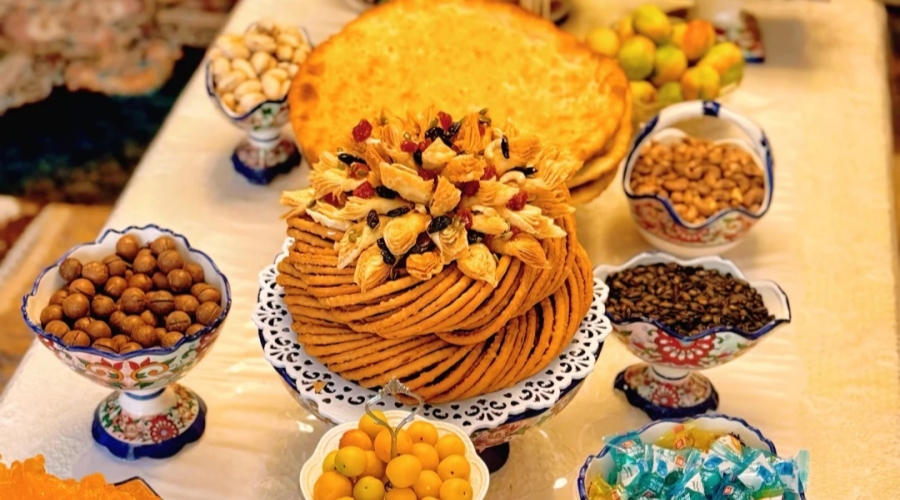
A traditional Eid al-Fitr spread in Xinjiang featuring nuts, dried fruits, and pastries
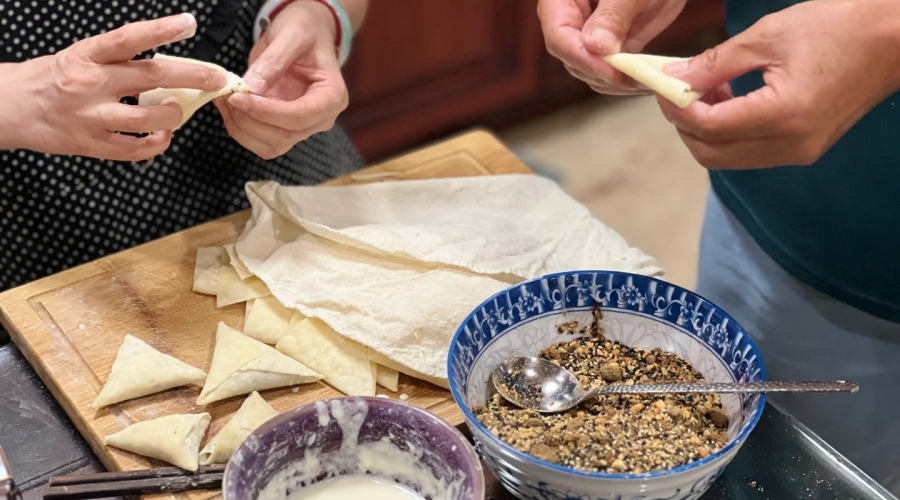
Tangsanjiao, an Eid al-Fitr pastry filled with sesame and sugar
Best Cities to Visit During Ramadan in China
Several cities across China are known for their rich Muslim heritage, historic mosques, and abundant halal dining. These destinations are ideal for travelers seeking to experience Ramadan while exploring China's Islamic culture and Silk Road history.
Xi'an
Xi'an is often considered the best destination for Muslim travelers in China.
Highlights include:
- Great Mosque of Xi'an
- Muslim Quarter
- Excellent halal food
- Rich Silk Road heritage
The city's concentration of halal restaurants makes it particularly convenient during Ramadan.
Beijing
China's capital combines historic Islamic heritage with modern travel infrastructure.
Highlights include:
- Niujie Mosque
- Niujie Muslim District
- Numerous halal restaurants
- International hotel options
Shanghai
Shanghai may not have the same concentration of Islamic heritage sites as Xi'an or Kashgar, but it offers excellent infrastructure and a growing selection of halal dining options for international travelers.
Highlights:
- Songjiang Mosque (one of Shanghai's oldest mosques)
- Xiaotaoyuan Mosque
- Large international dining scene
- Easy transportation
- Luxury hotels familiar with international guests
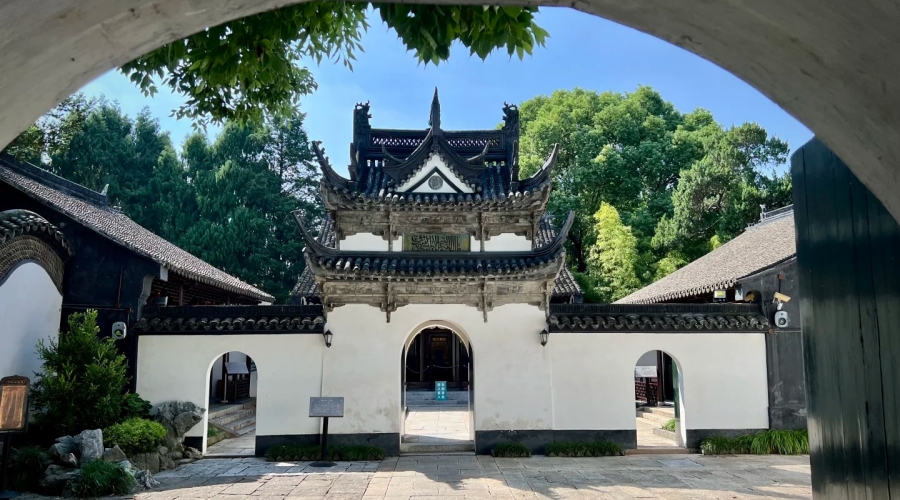
Shanghai Songjiang Mosque
Xining
Located in Qinghai Province, Xining has one of China's strongest halal food cultures.
Highlights include:
- Dongguan Grand Mosque
- Traditional halal markets
- Northwest Chinese cuisine
Kashgar
For travelers interested in Silk Road heritage, Kashgar offers a distinctive cultural experience.
Highlights include:
- Id Kah Mosque
- Kashgar Old Town
- Traditional bazaars
- Local halal cuisine
Guangzhou
As an important Maritime Silk Road port, Guangzhou has welcomed international visitors for centuries.
Highlights include:
- Huaisheng Mosque
- International dining options
- Historic trading heritage
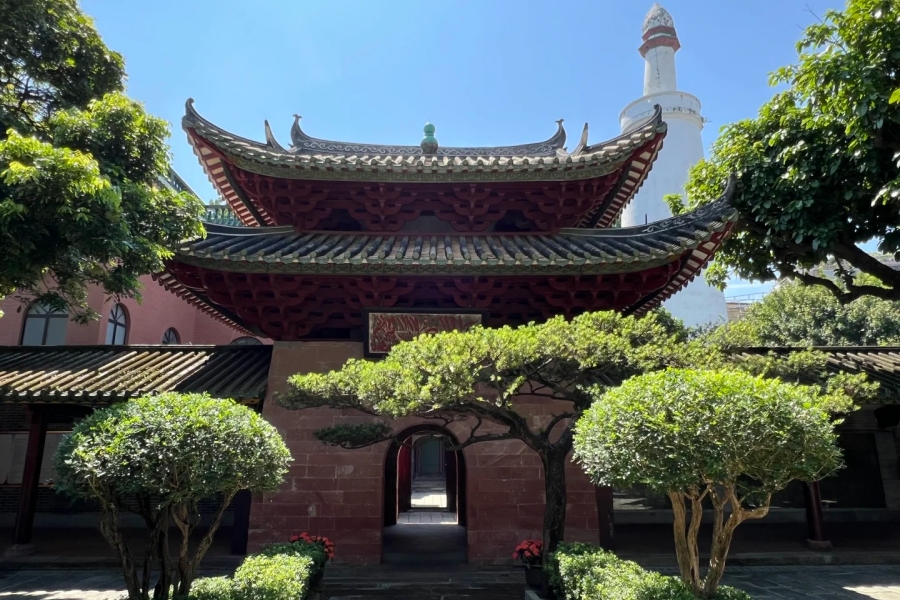
Guangzhou HuaiSheng Mosque
Finding Halal Food During Ramadan
One of the most important aspects of traveling during Ramadan is knowing where to find reliable halal dining options. Fortunately, many Chinese cities have established Muslim communities and halal food districts, making it easier for travelers to enjoy suitable meals for both Suhoor and Iftar.
Look for the "Qingzhen" (清真) Sign
The easiest way to identify halal restaurants in China is to look for the "清真" sign displayed outside restaurants and food establishments.
Visit Muslim Neighborhoods
Some of the best halal dining districts include:
- Muslim Quarter (Xi'an)
- Niujie (Beijing)
- Dongguan Mosque Area (Xining)
- Kashgar Old Town
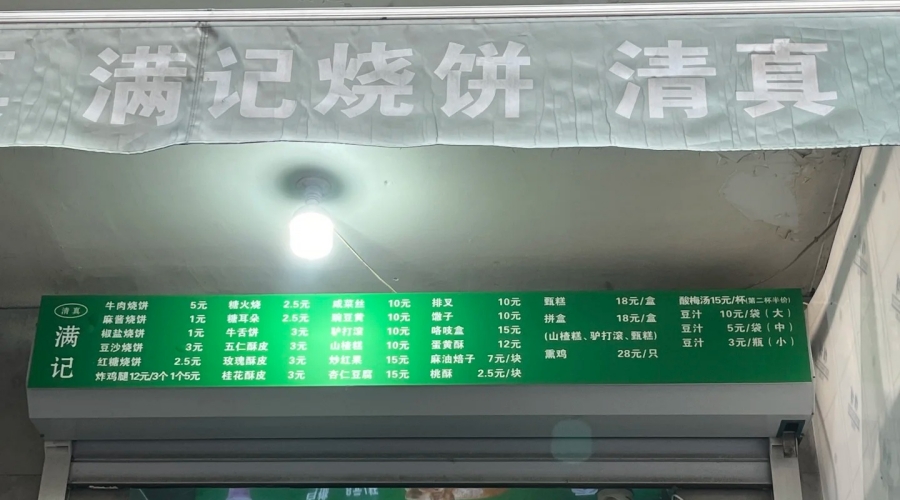
Halal Cuisine in Niujie, Beijing
Ask Local Guides or Hotel Staff
Local recommendations often lead travelers to authentic restaurants that may not appear in guidebooks.
Tips for Suhoor and Iftar in China
Buy Food the Night Before
Many restaurants may not open before sunrise. Purchasing bread, fruit, yogurt, and other items in advance can make Suhoor easier.
Stay Near Halal Dining Areas
Choosing hotels near halal food districts provides greater flexibility for both Suhoor and Iftar.
Carry Iftar Essentials for Long Journeys
If you're traveling by train or on long sightseeing excursions, consider preparing dates, snacks, or other suitable foods in advance so you can break your fast comfortably at sunset.
Check Local Prayer and Sunset Times
Sunset times vary across China's vast territory. Checking local prayer schedules in advance can help you plan Iftar, sightseeing, and transportation more effectively.
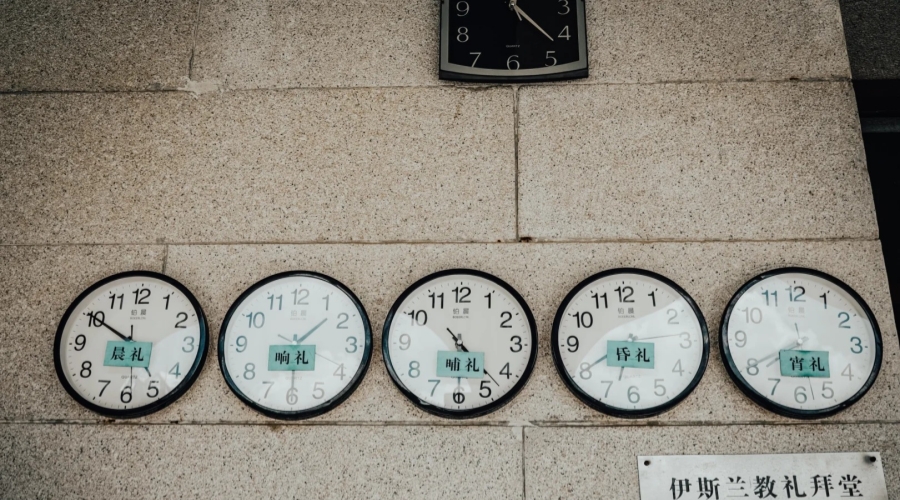
Prayer clocks at Quanzhou Qingjing Mosque display the five daily prayer times
Plan Iftar Locations in Advance
Especially in smaller cities, halal dining options may be limited. Knowing where you plan to eat before sunset can make your travel experience smoother and less stressful.
Choosing Hotels During Ramadan in China
Selecting the right hotel can significantly improve the travel experience, especially when observing fasting schedules and daily prayers.
Prioritize Location
Choosing a hotel in the right area can make Suhoor, Iftar, and daily sightseeing much more convenient. Consider staying near:
- Halal restaurants
- Historic mosques
- City centers
- Public transportation hubs
Contact Hotels Before Arrival
Most hotels in China do not provide special Ramadan services as a standard offering. However, it is still worthwhile to contact the hotel before arrival.
Some hotels may be able to:
- Arrange breakfast boxes for early morning meals
- Provide room service outside normal dining hours
- Offer refrigerators or microwaves in guest rooms
- Assist with locating nearby halal restaurants
Making requests in advance generally increases the likelihood that the hotel can accommodate specific needs.
Prayer Facilities
Unlike hotels in some Muslim-majority countries, most hotels in China do not have dedicated prayer rooms or prayer facilities.
However, hotels in Northwest China and cities with significant Muslim populations—such as those in Xinjiang, Ningxia, Gansu, and Qinghai—may be more familiar with the needs of Muslim guests due to the presence of long-established local Muslim communities. Staff may have a better understanding of requests related to prayer times, nearby mosques, or halal dining options.
While dedicated prayer rooms are uncommon, hotel staff may try to assist with reasonable requests, such as:
- Providing a quiet space
- Helping guests determine the direction of the Qibla
- Offering information about nearby mosques.
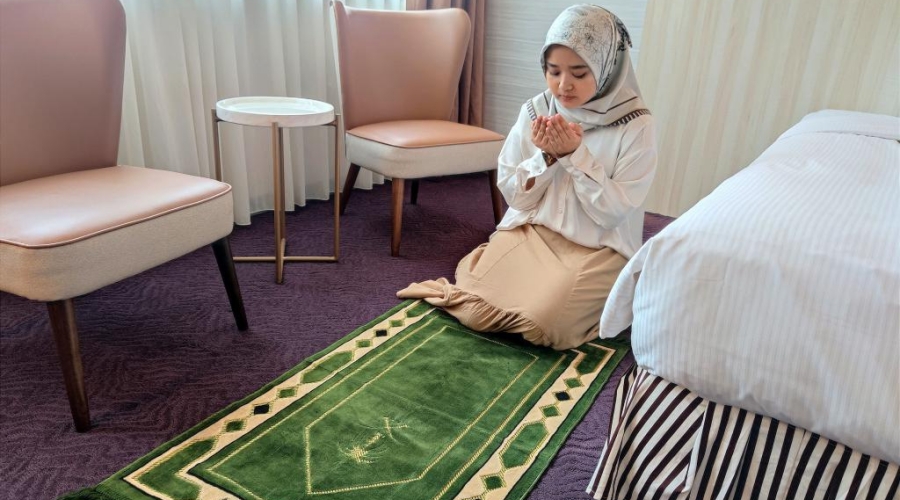
Muslim travelers often bring their own prayer rugs for use in hotel rooms
Tips for Traveling to China During Ramadan
While many major cities offer halal food and mosque access, travelers should prepare in advance to ensure smooth daily routines during fasting.
Research Halal Food Options Before Arrival
Not every city has a large Muslim community, so it is helpful to identify halal restaurants and Muslim neighborhoods before your trip.
Choose Accommodation Near Halal Restaurants
Staying close to halal food districts can save time and make it easier to find meals before dawn and after sunset.
Plan Sightseeing Around Fasting Hours
Schedule physically demanding activities during cooler parts of the day and allow time to rest before Iftar. Flexible itineraries can help maintain energy levels while fasting.
Learn Basic Chinese Phrases
Knowing a few useful phrases or using translation apps can help when asking about halal food, restaurant locations, or nearby mosques.
这是清真的吗?(zhè shì qīng zhēn de ma?) — Is this halal?
清真寺在哪里?(qīng zhēn sì zài nǎ lǐ?) — Where is the mosque?
Keep Prayer Times and Mosque Locations Handy
Download prayer time apps and research mosque locations before traveling. This can help you organize your daily schedule more effectively during Ramadan.
Traveling in China during Ramadan can be both comfortable and rewarding. From the historic mosques of Xi'an and Beijing to the halal food hubs of Northwest China, Muslim travelers can enjoy rich cultural experiences while maintaining their Ramadan routines.
With some advance planning for Suhoor, Iftar, and accommodations, many major Chinese cities offer the resources needed for a smooth journey. Whether exploring Silk Road heritage, experiencing Eid festivities, or sampling regional halal cuisine, Ramadan is a unique time to discover China's cultural diversity.