
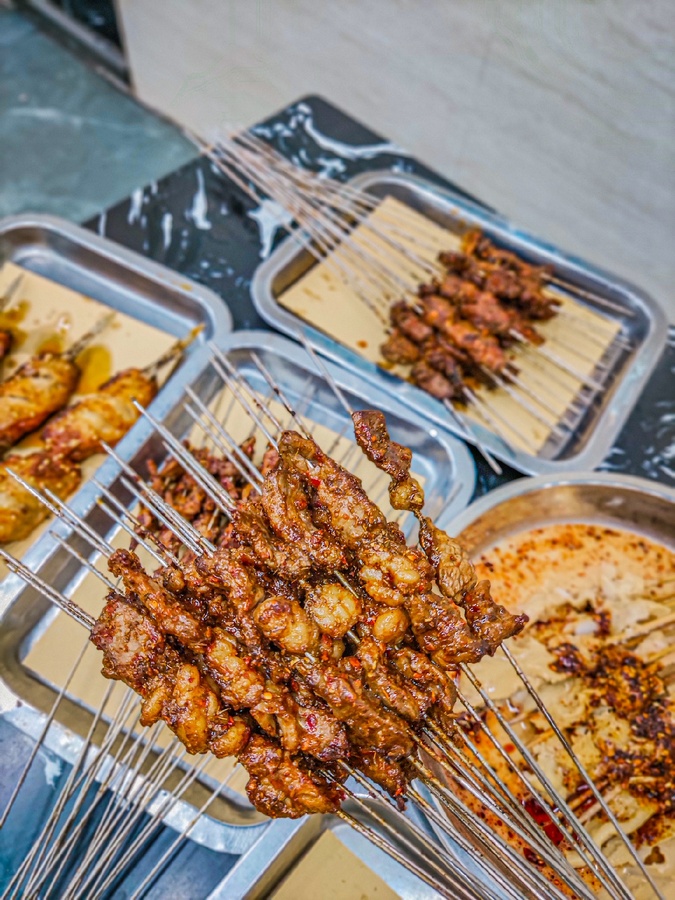
Many travelers are surprised to learn that finding halal food in China is easier than expected. Although China is not a Muslim-majority country, Islam has been present in China for more than 1,300 years. Today, millions of Chinese Muslims—including Hui, Uyghur, Kazakh, Dongxiang, Salar, and other ethnic groups—maintain rich culinary traditions based on Islamic dietary laws.
As a result, visitors can find a wide variety of Halal food across the country, from famous Lanzhou beef noodles to Xinjiang lamb skewers and traditional Muslim bakeries. Understanding how Halal food works in China can help Muslim travelers enjoy local cuisine while following the principles of Islam.
This guide explains what Muslims can eat in China, which foods to avoid, and how to identify authentic Halal food during your travels.
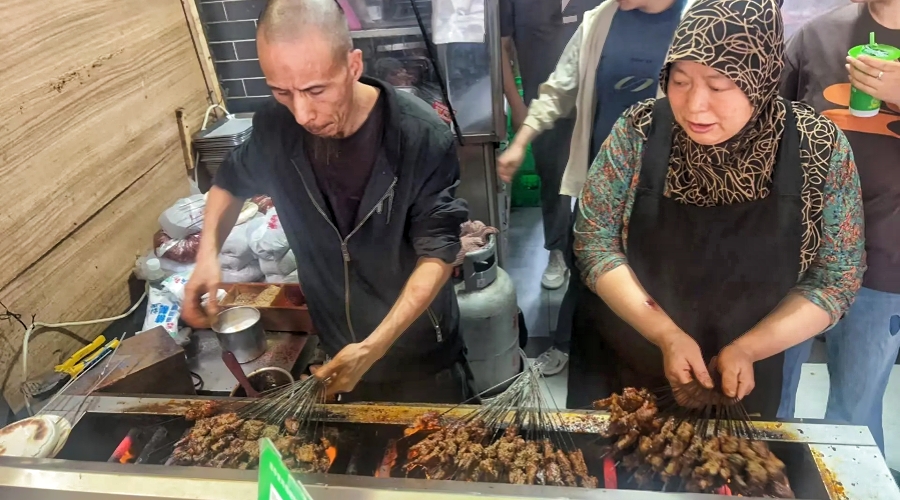
In Xi’an’s Muslim Quarter, a vendor prepares grilled halal skewers, a favorite local street food
Understanding Halal Food in China
What Does Halal Mean?
In Islam, the term "halal" refers to food and beverages that are permissible according to Islamic law. The opposite of halal is haram, meaning prohibited.
The main principles of Halal food include:
- Meat must come from animals slaughtered according to Islamic requirements.
- Pork and pork-derived ingredients are prohibited.
- Blood and improperly slaughtered animals are forbidden.
- Alcohol and intoxicating substances are not allowed.
- Food should be prepared in a way that avoids contamination with haram ingredients.
What Is Qingzhen (清真)?
In China, Halal food is commonly referred to as Qingzhen (清真). This term appears on restaurant signs, food packaging, and storefronts serving Muslim customers.
When traveling in China, looking for the characters "清真" is one of the easiest ways to identify Halal food establishments.
Many Qingzhen restaurants are operated by Chinese Muslim communities and follow dietary requirements rooted in Islam.
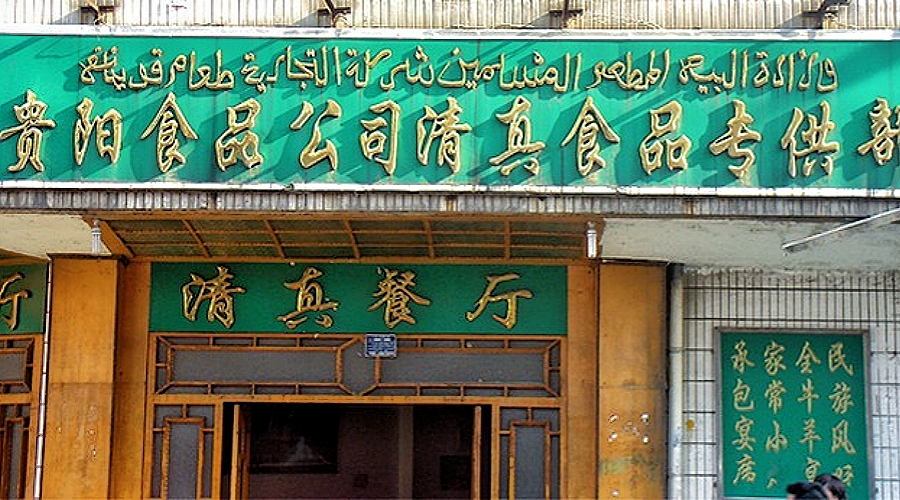
A Qingzhen restaurants in Guiyang, China
What Foods Can Muslims Eat in China?
Halal Meat Options
The most common halal meats available in China include:
- Beef
- Lamb
- Mutton
- Chicken
- Duck
- Goose
- Pigeon
Beef and lamb are especially popular because they form the foundation of many traditional Chinese Muslim dishes. In regions with large Muslim populations, travelers can easily find restaurants specializing in halal beef and lamb cuisine.
Seafood
Seafood is widely available throughout China and is commonly consumed by Muslims.
Popular choices include:
- Fish
- Shrimp
- Crab
- Shellfish
- Squid
Coastal cities often offer extensive seafood options that can fit within the dietary guidelines of Islam, though travelers should always confirm cooking methods and ingredients.
Vegetarian Foods
China offers a huge variety of plant-based foods suitable for Muslim travelers, including:
- Fresh vegetables
- Fruits
- Beans
- Tofu
- Mushrooms
- Nuts
Vegetarian dishes can be excellent alternatives when dedicated Halal food restaurants are unavailable.
Staple Foods
Many Chinese staple foods are naturally halal:
- Rice
- Noodles
- Steamed buns
- Flatbreads
- Pancakes
- Dumplings with halal fillings
These staples appear in almost every region of China and are often incorporated into traditional Halal food menus.
Popular Chinese Halal Dishes
Lanzhou Beef Noodles
Lanzhou Beef Noodles, also known as Lanzhou Lamian, are among the most famous examples of Halal food in China.
The dish typically includes:
- Hand-pulled noodles
- Clear beef broth
- Sliced beef
- Fresh herbs and vegetables
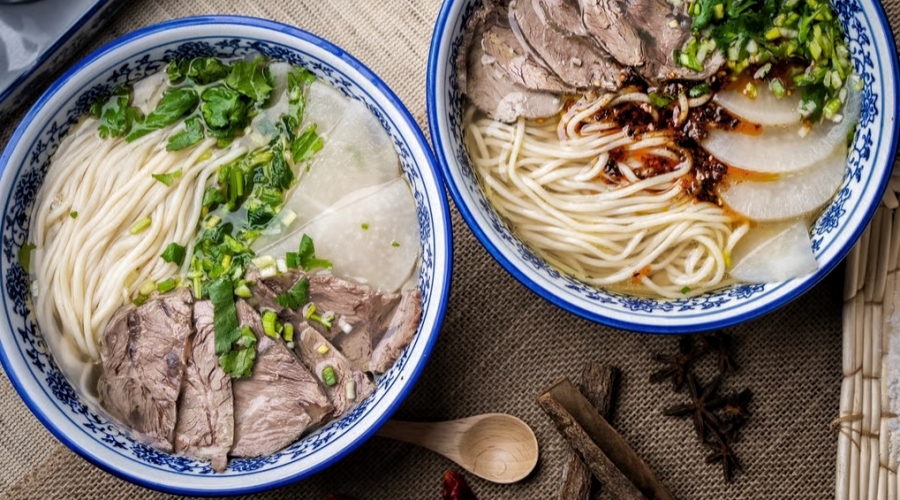
Lanzhou Beef Noodles
Lanzhou noodle restaurants can be found in nearly every major Chinese city.
Lamb Skewers
Lamb skewers, known as Yangrou Chuan, originated in northwestern China and are especially associated with Muslim communities.
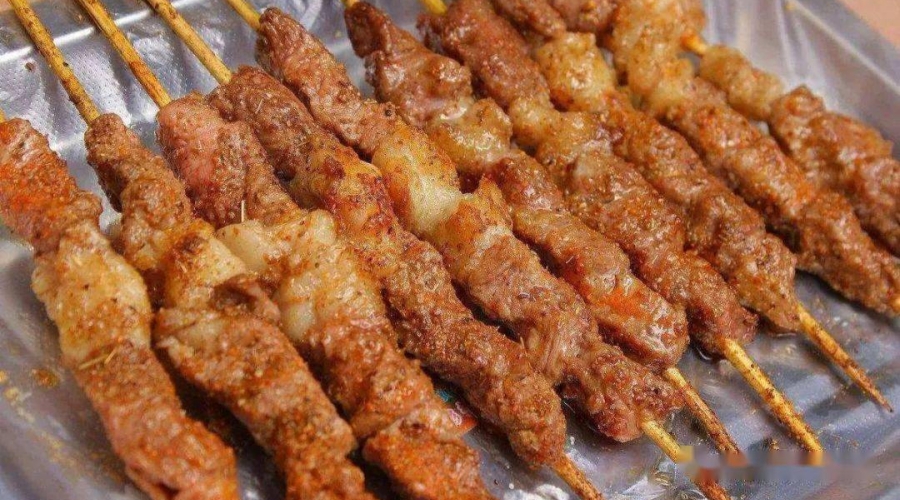
Lamb skewers
Seasoned with cumin, chili, and other spices, these skewers have become one of the most popular street foods in China.
Xinjiang Rice Pilaf (Polo)
Polo is a traditional Uyghur dish made with:
- Rice
- Lamb
- Carrots
- Onions
- Raisins
It remains one of the most popular halal food specialties in western China.
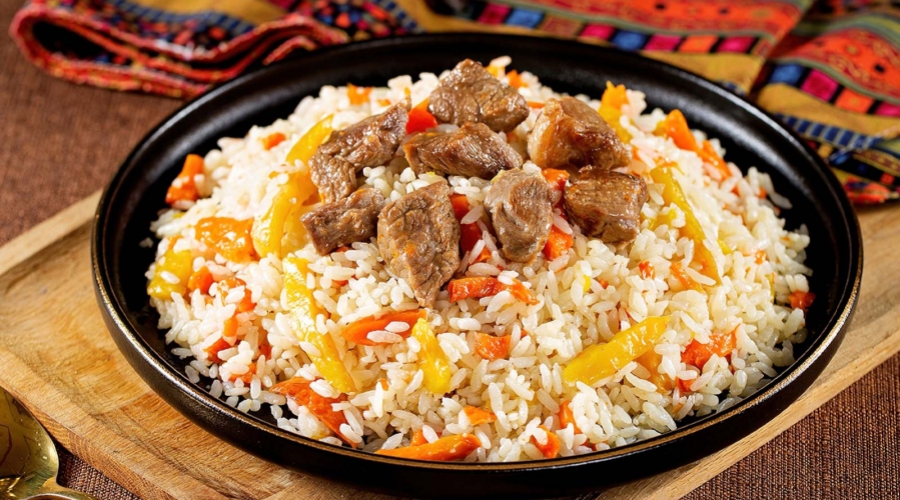
Xinjiang Rice Pilaf
Nang Bread
Nang is a traditional flatbread widely consumed by Muslim communities in Xinjiang.
It is often served alongside meat dishes, soups, and tea and represents an important part of local food culture influenced by Islam.
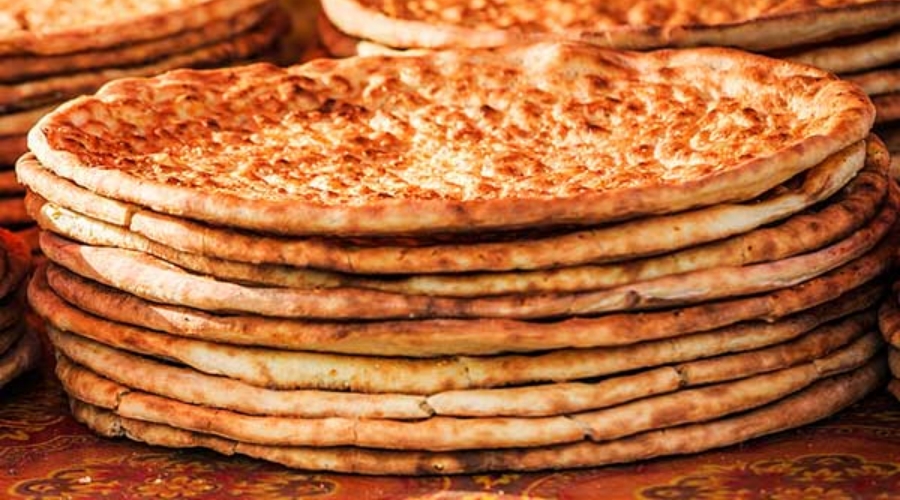
Xinjiang Nang Bread
Halal Dumplings and Buns
Many Chinese Muslim restaurants offer:
- Beef dumplings
- Lamb dumplings
- Steamed buns
- Meat-filled pastries
These dishes combine traditional Chinese cooking techniques with the dietary requirements of Islam.
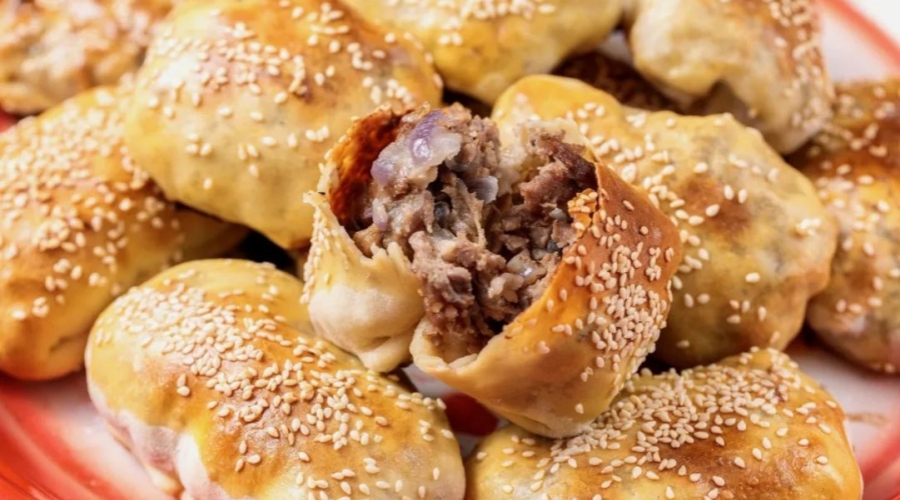
Steamed buns
Regional Halal Cuisine in China
Hui Muslim Cuisine
The Hui people are one of China's largest Muslim ethnic groups.
Their cuisine emphasizes:
- Beef dishes
- Lamb dishes
- Noodles
- Steamed breads
- Traditional pastries
Hui-style Halal food can be found throughout northern and central China.
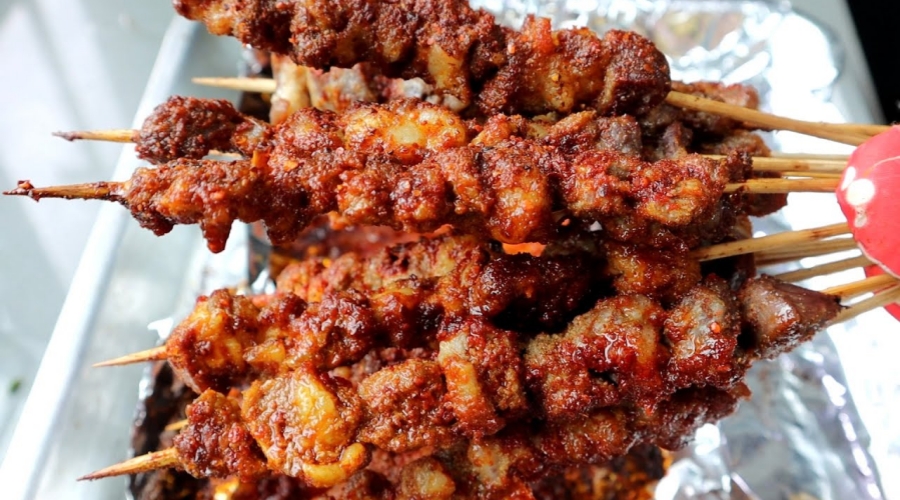
Grilled halal skewers in Xi’an’s Muslim Quarter
Uyghur Cuisine
Uyghur cuisine is one of the most recognizable forms of Halal food in China.
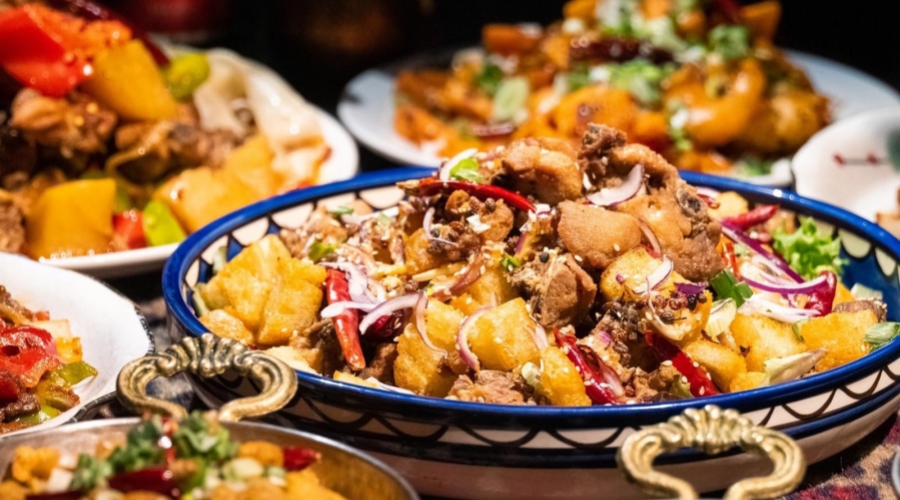
Chicken of Uyghur Cuisine
Popular dishes include:
- Lamb skewers
- Polo rice pilaf
- Nang bread
- Hand-pulled noodles
- Roasted meat dishes
The cuisine reflects centuries of cultural exchange along the ancient Silk Road.
Northwest Chinese Halal Food
Provinces such as Gansu, Ningxia, Qinghai, and Shaanxi are renowned for their Muslim culinary traditions.
These regions offer some of the most authentic Halal food experiences in China and are ideal destinations for travelers interested in the relationship between food and Islam.
Foods Muslims Should Avoid in China
Although China offers abundant Halal food, Muslim travelers should remain cautious about certain ingredients.
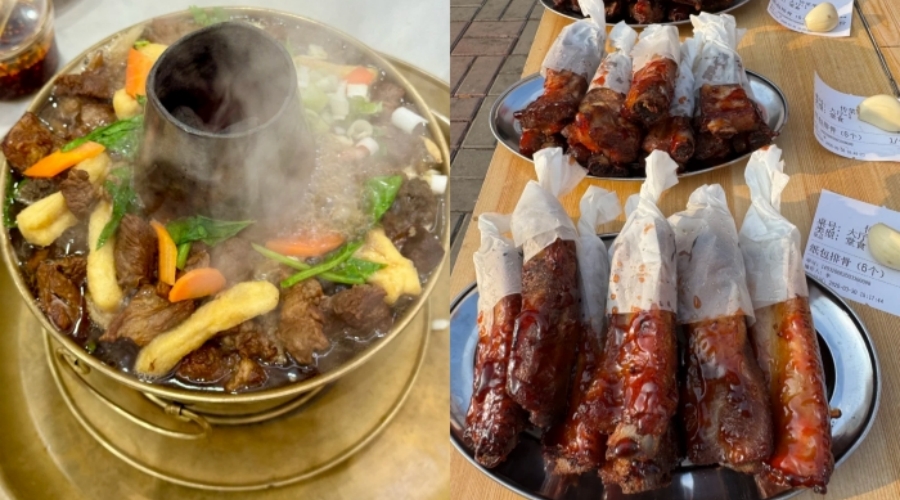
Lamb dishes
Pork and Pork Products
Pork is the most widely consumed meat in China.
Muslims should avoid:
- Pork meat
- Lard
- Pork broth
- Pork dumplings
- Processed foods containing pork derivatives
Non-Halal Meat
Even if a dish contains beef or chicken, it may not qualify as Halal food if the animal was not slaughtered according to Islamic requirements.
Alcohol
Many Chinese recipes use cooking wine or alcohol-based seasonings.
Travelers following the teachings of Islam should ask whether alcohol is used during preparation.
Foods Requiring Extra Verification
Certain foods should be checked carefully:
- Hotpot
- Dumplings
- Fried snacks
- Street food
- Restaurant soups
- Noodle dishes from non-halal vendors
When in doubt, choose a certified Qingzhen restaurant.
How to Find Halal Food in China
Look for Qingzhen Signs
The easiest method is to search for the Chinese characters "清真."
These signs usually indicate restaurants serving authentic Halal food.
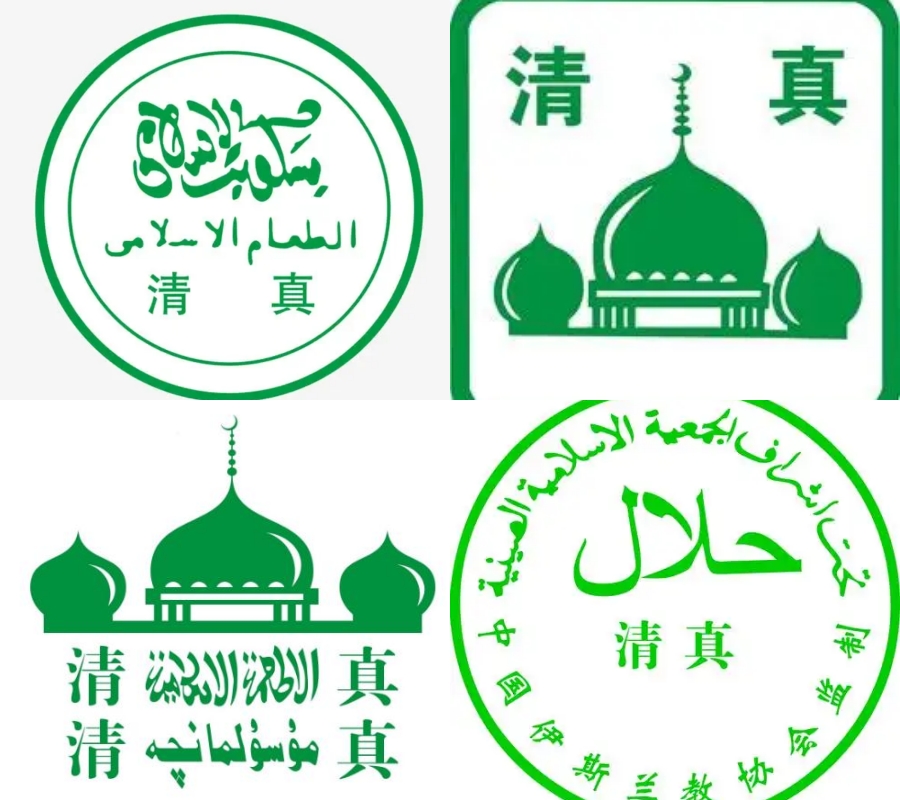
Qingzhen Signs
Visit Areas Near Mosques
Mosques often serve as community centers for Chinese Muslims.
Restaurants located near mosques frequently provide reliable Halal food options.
Use Maps and Travel Apps
Modern mapping applications make it easy to search for:
- Halal restaurants
- Muslim-friendly dining
- Qingzhen eateries
- Islamic cultural districts
Explore Major Cities
Cities such as Beijing, Xi'an, Shanghai, Guangzhou, Lanzhou, and Urumqi offer extensive Halal food choices for both residents and visitors.
China's long history with Islam has created a rich and diverse tradition of Halal food that spans the entire country. Muslim travelers can enjoy a remarkable range of authentic Chinese cuisine while following Islamic dietary principles.
By understanding the meaning of Qingzhen, recognizing halal restaurant signs, and verifying ingredients when necessary, visitors can confidently explore China's vibrant food culture while remaining faithful to the teachings of Islam.