

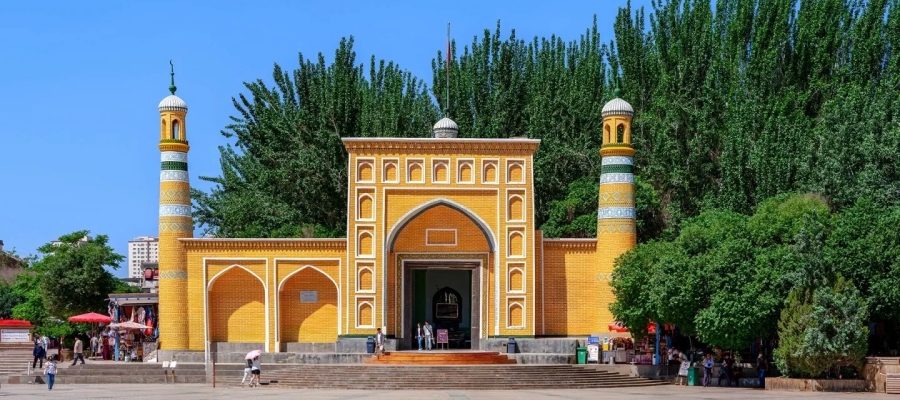
China is home to some of the oldest Islamic architectural landmarks in East Asia, many of which remain active places of worship today. Built over centuries along the Silk Road and Maritime Silk Road, these historic mosques reflect Islam's long-standing presence in China, dating back to the Tang, Song, Yuan, and Ming dynasties. They also showcase a unique fusion of Islamic design principles with traditional Chinese architectural styles. From the Great Mosque of Xi'an to the historic mosques of Guangzhou and Quanzhou, these sites preserve over 1,300 years of Islamic heritage in China.
This guide explores their origins, architectural features, and the most important mosques to visit today.
How Islam Reached China
The history of Islam in China dates back more than 1,300 years. Through trade networks connecting China with Central Asia, the Middle East, and other regions, Muslim merchants, diplomats, and travelers introduced Islamic culture to Chinese cities during the Tang Dynasty (618–907).
Two major routes played important roles in this exchange:
The Silk Road
The Silk Road connected China with Central Asia and beyond, bringing merchants, goods, technologies, and cultural traditions across vast distances. Cities such as Xi'an, Lanzhou, Xining, and Kashgar became important centers of interaction and exchange.

The Silk Road connected China with Central Asia, fostering trade and cultural exchange
The Maritime Silk Road
China's coastal ports, particularly Guangzhou and Quanzhou, welcomed traders from across Asia and the Indian Ocean. As international trade expanded, Muslim communities developed in these port cities, leading to the establishment of some of China's earliest mosques.
Over time, these communities became part of China's diverse cultural landscape, and mosque architecture gradually evolved to reflect local building traditions and regional styles.
What Makes Chinese Mosques Unique?
One of the most distinctive features of China's ancient mosques is their architecture.
Unlike many mosques in the Middle East, traditional Chinese mosques often resemble classical Chinese temples, gardens, or courtyard residences. This reflects centuries of interaction between Islamic traditions and Chinese architectural styles.
Traditional Courtyard Layouts
Many ancient mosques are organized around a series of courtyards connected by gates, pavilions, and halls. This layout closely resembles traditional Chinese temples, academies, and residential compounds. Visitors often pass through multiple courtyards before reaching the main prayer hall, creating a sense of progression and tranquility.
Despite their Chinese appearance, the prayer halls are designed to accommodate Islamic worship practices, illustrating the integration of different architectural traditions.
Chinese Roof Designs
Curved rooflines, wooden beams, decorative brackets, and traditional tiles are common features in many historic mosques. These elements reflect the craftsmanship found in classical Chinese architecture.

Rising above The Great Mosque of Xi'an, this three-story octagonal minaret is a distinctive example of traditional Chinese architecture
Calligraphy and Decorative Art
Ancient mosques often feature beautifully carved inscriptions, stone steles, and decorative panels. Chinese and Arabic calligraphy may appear together, illustrating centuries of cultural interaction and artistic development.
Gardens and Landscaped Spaces
Many mosque complexes include gardens, trees, and quiet courtyards. These spaces contribute to the peaceful atmosphere and reflect traditional Chinese approaches to architecture and landscape design.
Together, these architectural features distinguish many Chinese mosques from those found elsewhere and highlight the unique blend of Chinese and Islamic cultural influences that developed over centuries.
Major Architectural Styles of Ancient Chinese Mosques
Ancient mosques in China generally fall into two major architectural styles, reflecting different historical and cultural influences.
Traditional Chinese Courtyard Style
The most common style follows traditional Chinese architectural principles. These mosques are typically arranged along a central axis and consist of multiple courtyards connected by gates, halls, and pavilions, resembling classical Chinese temples or residential compounds.
Common features include:
- Multi-courtyard layouts
- Wooden structures and tiled roofs
- Symmetrical planning along a central axis
- Gardens and decorative gateways
- Moon-Watching Towers and Call-to-Prayer Towers
The Great Mosque of Xi'an and Niujie Mosque in Beijing are among the best-known examples of this style.
Arab-Influenced Style
A smaller number of historic mosques incorporate architectural elements associated with the Middle East and Central Asia. Unlike traditional courtyard mosques, they generally lack a pronounced central-axis layout.
Common features include:
- Domed prayer halls
- Minaret-style towers
- Arched entrances
- Moon-Watching Towers
- Lecture halls and ablution facilities
- Geometric decoration
Notable examples include Qingjing Mosque in Quanzhou and Id Kah Mosque in Kashgar.
Together, these two architectural traditions illustrate how mosque architecture in China evolved through centuries of cultural exchange while adapting to local building techniques, artistic traditions, and regional environments.
Must-Visit Ancient Mosques in China
Huajue Lane, Great Mosque of Xi'an
Among China's most famous Islamic landmarks is the Great Mosque of Xi'an.
Originally founded during the Tang Dynasty and expanded during later dynasties, the mosque is renowned for its extraordinary combination of Chinese and Islamic architectural styles.
Visitors will find:
- Traditional courtyards
- Elegant pavilions
- Ancient stone inscriptions
- Arabic and Chinese calligraphy
- Beautiful gardens
Unlike many mosques elsewhere, the complex resembles a classical Chinese palace, making it one of the most unique religious sites in Asia.
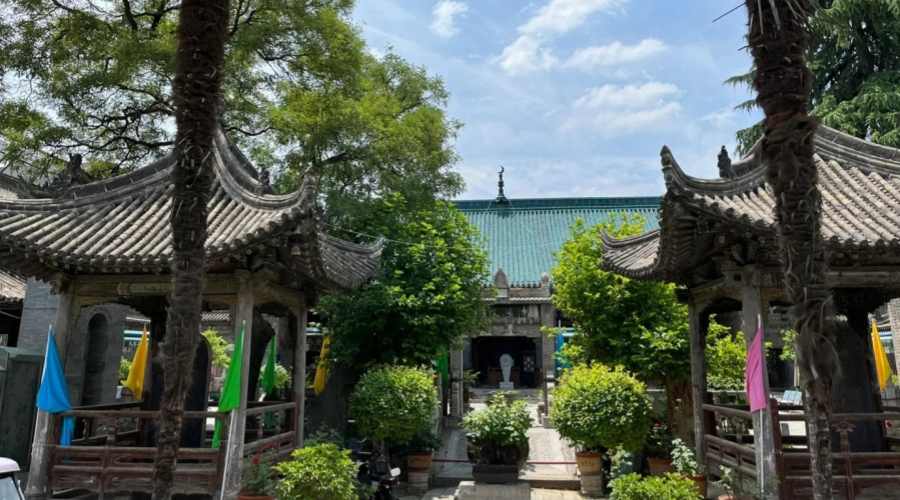
Huajue Lane, Great Mosque of Xi'an
Huaisheng Mosque, Guangzhou
The Huaisheng Mosque is widely regarded as one of the oldest mosques in China.
Tradition links its origins to the earliest Muslim traders who arrived by sea from Arabia.
Its most famous feature is the historic lighthouse-like minaret, which once served as a navigation landmark for ships entering Guangzhou's busy port.

Huaisheng Mosque Light Tower
Niujie Mosque, Beijing
The Niujie Mosque is the oldest and most influential mosque in Beijing.
Established more than a thousand years ago, it remains an important cultural and historical landmark for the Hui Muslim community.
The mosque combines:
- Ming and Qing architectural styles
- Traditional Chinese courtyards
- Islamic decorative motifs
- Beautiful calligraphy
The surrounding Niujie neighborhood is also one of the best places in Beijing to experience Muslim culture and halal cuisine.
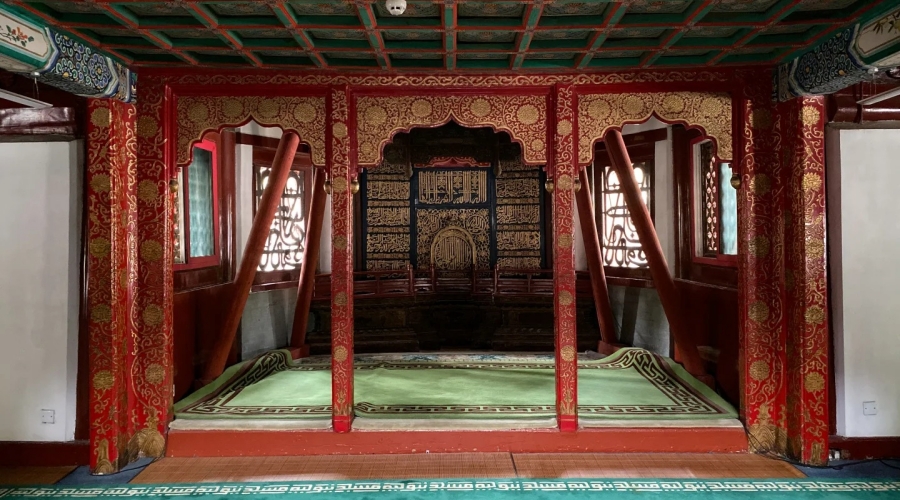
The Main Hall of the Niujie Mosque
Qingjing Mosque, Quanzhou
The Qingjing Mosque offers a striking contrast to many other Chinese mosques.
Built by Arab merchants during the Song Dynasty, it features strong Middle Eastern architectural influences, including stone arches and Islamic design elements rarely seen elsewhere in China.
As one of East Asia's oldest surviving Islamic structures, it serves as a reminder of Quanzhou's importance as a major Maritime Silk Road port.
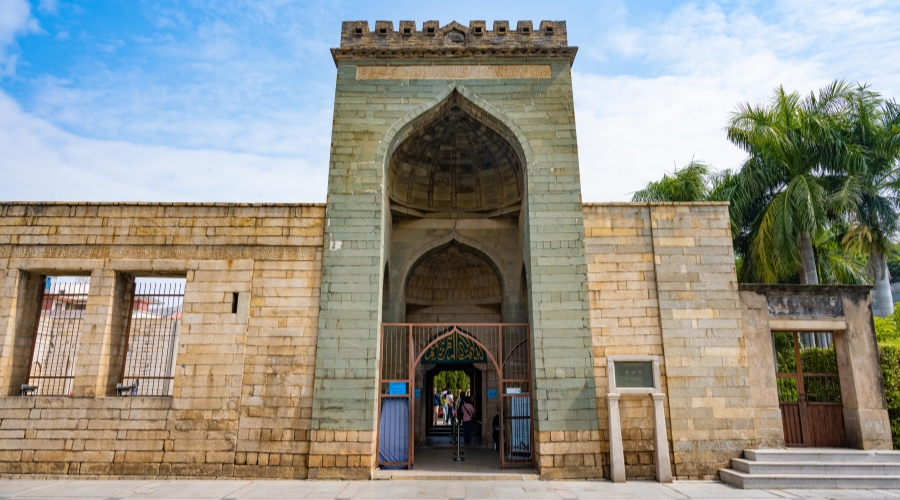
Qingjing Mosque, one of the oldest surviving Islamic mosques
Id Kah Mosque, Kashgar
The Id Kah Mosque is one of the largest and most well-known historic mosques in China. Located in the ancient Silk Road city of Kashgar, the mosque has served local Muslim communities for centuries.
Its grand courtyard and distinctive yellow façade make it one of China's most recognizable Islamic landmarks. The surrounding Old Town of Kashgar offers visitors a fascinating glimpse into the city's long history as a Silk Road trading hub.
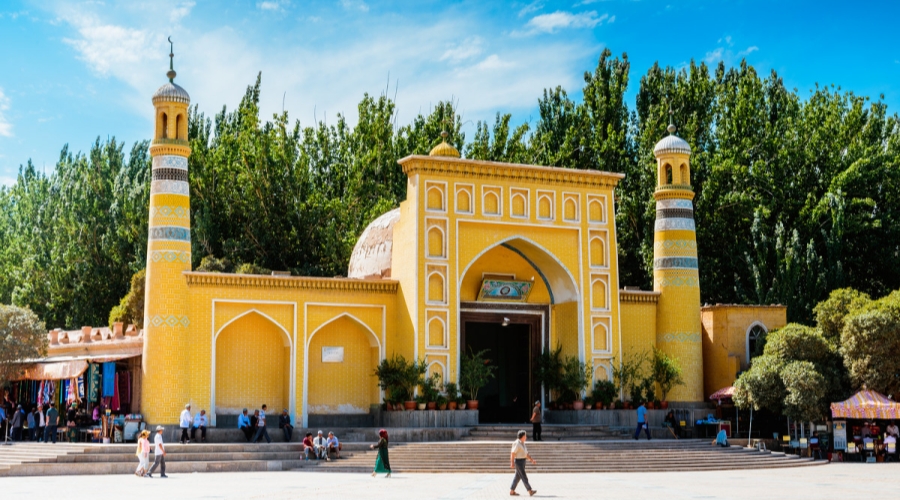
Built in 1442, the Id Kah Mosque is the largest mosque in Xinjiang
Travel Tips for Visiting Ancient Mosques in China
Many historic mosques welcome visitors, but travelers should observe local customs and respect religious practices.
Dress Modestly
Visitors should wear appropriate clothing and behave respectfully when visiting any active religious or cultural site. Shoulders and knees should be covered when entering mosque grounds.
Respect Prayer Times
Visitors should avoid disturbing worshippers during prayer services.
Ask Before Taking Photos
Photography is generally permitted in public areas, but restrictions may apply in certain sections of a mosque complex. Always follow posted regulations and staff instructions.
Follow Local Guidelines
Some areas may have visitor restrictions during religious events or special ceremonies.
Being respectful helps ensure a positive experience for both visitors and local communities.
Ancient mosques are more than architectural landmarks. They serve as living reminders of the historical connections that linked China with regions across Asia, the Middle East, and beyond. Through centuries of trade, travel, craftsmanship, and cultural exchange, these sites became part of China's rich and diverse heritage.
From the elegant courtyards of Xi'an's Great Mosque to the Silk Road heritage of Kashgar's Id Kah Mosque, they provide a unique opportunity to explore a lesser-known side of Chinese history while appreciating some of the country's most distinctive architectural treasures.
Whether located in a bustling metropolis, a historic Silk Road city, or a quiet neighborhood, China's ancient mosques continue to tell stories of connection, exchange, and cultural diversity that span more than a millennium.