
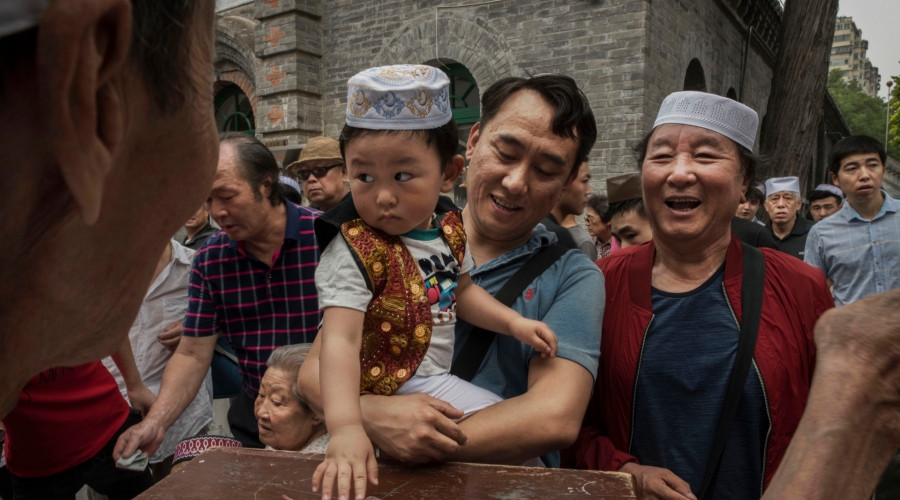
Islam has been part of Chinese history for more than 1,300 years. Islam in China was introduced primarily through trade, diplomacy, migration, and cultural exchange. Over the centuries, Muslim communities became an integral part of Chinese society while preserving their religious identity.
Today, China is home to several Muslim ethnic groups and thousands of mosques, reflecting a long and complex relationship between Chinese civilization and the Islamic world. Understanding the history of Islam in China helps explain the cultural diversity found across the country and the historical connections between China, Central Asia, the Middle East, and the broader Muslim world.
When Did Islam First Arrive in China?
Most historians agree that Islam reached China during Tang Dynasty (618–907 AD), making it one of the earliest countries outside the Arabian Peninsula to establish contact with Muslims.
The arrival of Islam coincided with the rapid expansion of Islamic civilization following the rise of the Prophet Muhammad in the 7th century. As trade routes connected East Asia with the Middle East, Muslim merchants began traveling to China through both land and maritime routes.
Two major pathways facilitated the introduction of Islam:
The Silk Road
The Silk Road connected China with Central Asia, Persia, and the Arab world. Muslim merchants, scholars, and travelers crossed these routes, bringing not only goods but also religious and cultural influences.
The Maritime Silk Road
Sea routes linked Chinese ports with Southeast Asia, India, Arabia, and East Africa. Muslim traders frequently visited Chinese coastal cities such as Guangzhou, Quanzhou, and Yangzhou, where some settled permanently and established Muslim communities.
Islam During the Tang Dynasty
The Tang Dynasty was known for its openness to foreign cultures and international trade. Foreign merchants were welcomed in many Chinese cities, allowing Muslim communities to develop.
Historical records indicate that Arab and Persian merchants established residential quarters in major trading centers. These communities maintained their faith while participating actively in commerce.
Although Muslims remained a small minority during this period, the foundations of Islam in China were firmly established. Some of China's earliest mosques are traditionally believed to date back to the Tang era, although many have been rebuilt over time.
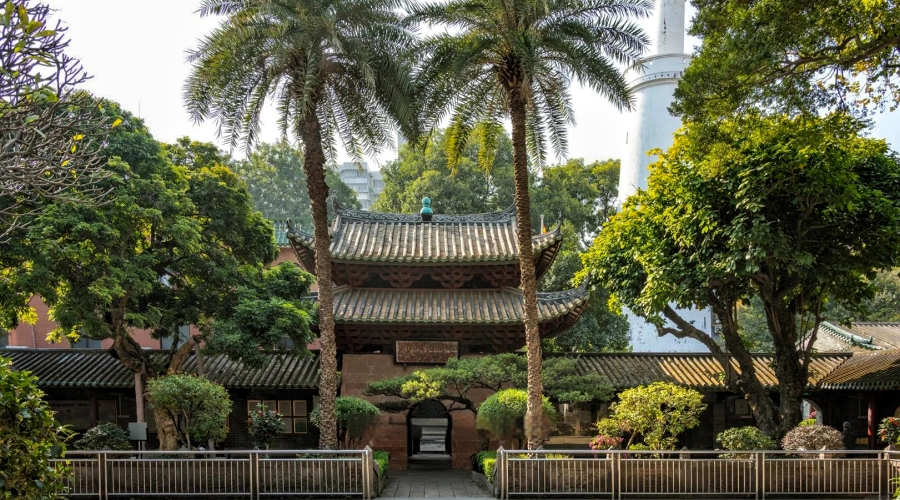
The Huaisheng Mosque in Guangzhou is the oldest mosque in China
Expansion During the Song Dynasty
During the Song Dynasty (960–1279), maritime trade expanded significantly. Chinese ports became some of the busiest commercial centers in the world.

The tombs of Sa-Ke-Zu and Wu-Ko-Shun at Mount Lingshan, Quanzhou
Muslim merchants played an important role in:
- International trade
- Maritime navigation
- Tax administration
- Commercial diplomacy
Many Muslims settled permanently in coastal cities and gradually integrated into Chinese society through intermarriage and cultural exchange.
During this period, Islam became more deeply rooted in Chinese urban life, particularly in southeastern coastal regions.
The Yuan Dynasty and the Growth of Muslim Communities
The Yuan Dynasty (1271–1368), established by the Mongols, marked a significant turning point for Islam in China.
The Mongol Empire connected vast territories stretching from East Asia to the Middle East. As a result, large numbers of Muslims from Central Asia, Persia, and other Islamic regions entered China.
Muslims served in various government positions, including:
- Administrators
- Military officers
- Engineers
- Astronomers
- Financial specialists
The Yuan rulers relied on many foreign experts, which increased the influence and visibility of Muslim communities throughout China.
Many modern Chinese Muslim populations trace part of their ancestry to migrants who arrived during this period.
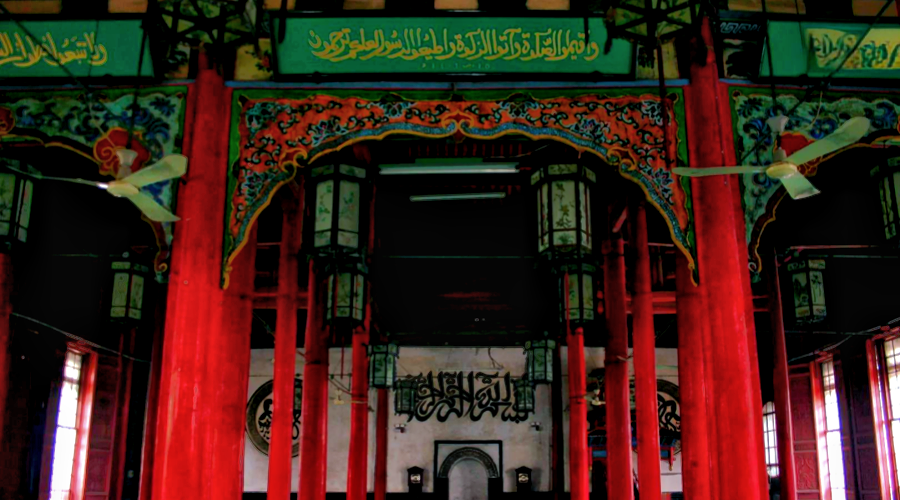
Jinan Great Southern Mosque was completed during the Emperor Chengzong of Yuan Dynasty
Islam Under the Ming Dynasty
The Ming Dynasty (1368–1644) witnessed the gradual localization of Islam within Chinese culture.
Rather than remaining separate communities, many Muslims adopted Chinese language, clothing styles, and social customs while preserving their religious beliefs.
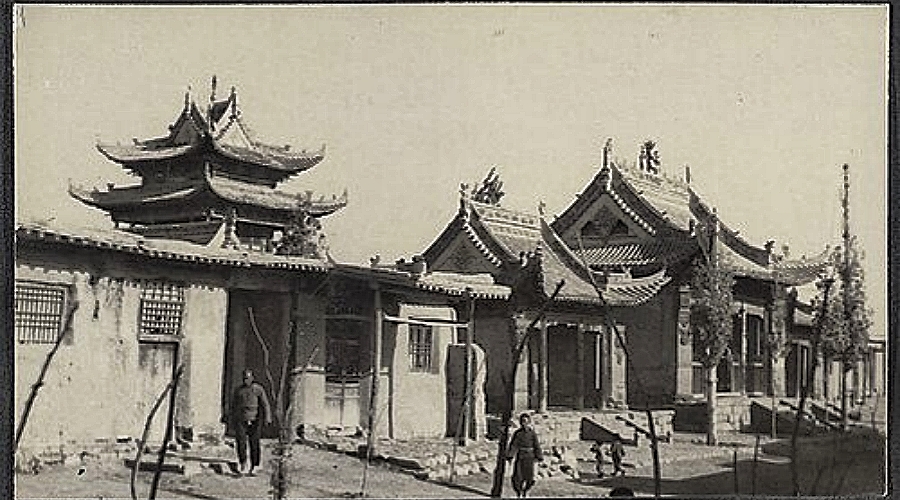
The entrance and minaret of the old Weizhou mosque, constructed during the Ming Dynasty, during the 1930s
This period saw the emergence of what scholars often call "Chinese Islam," characterized by:
- Chinese architectural styles in mosques
- Use of Chinese language for religious education
- Integration of Confucian concepts into Islamic scholarship
- Greater interaction between Muslim and non-Muslim communities
One of the most famous figures of the Ming era was the Muslim explorer and admiral Zheng He.
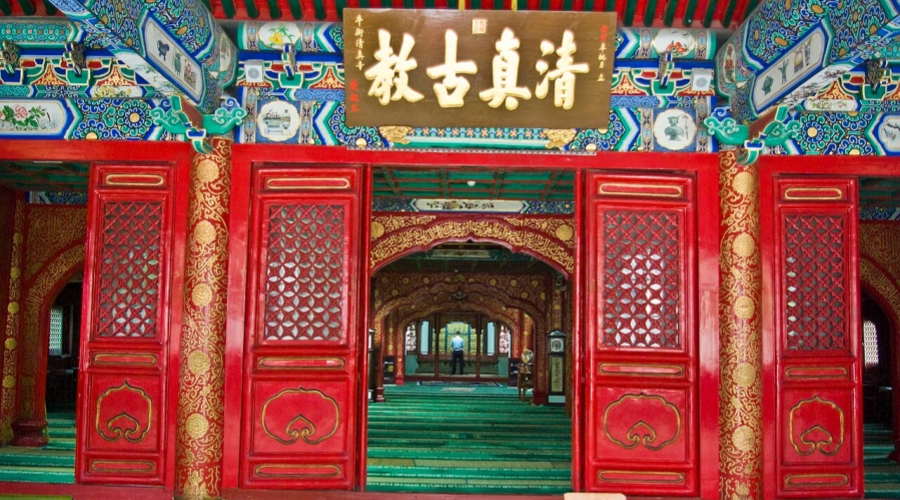
Niujie Mosque prayer hall in Beijing, originally built in 996 (Liao Dynasty), and rebuilt in 1443 (Ming Dynasty)
Zheng He and China's Maritime Expeditions
Zheng He led seven major voyages between 1405 and 1433, traveling across Southeast Asia, South Asia, Arabia, and East Africa.
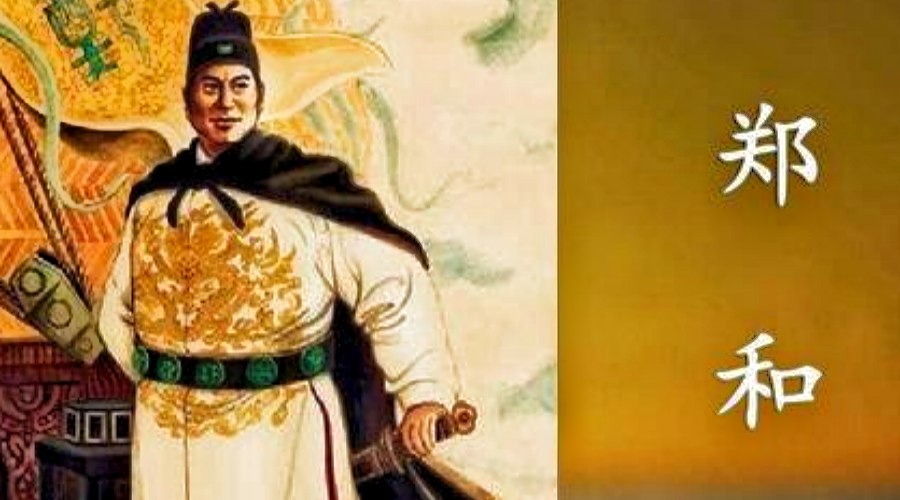
Zheng He's voyages to the Western Seas
As a Muslim serving the imperial court, Zheng He became an important symbol of the historical connections between China and the Islamic world.
His expeditions demonstrated China's extensive international engagement and highlighted the role Muslims played in Chinese history.
Islam During the Qing Dynasty
The Qing Dynasty (1644–1912) brought both opportunities and challenges for Muslim communities.
Muslim populations continued to grow, particularly in western and northwestern China. During this period, Islamic educational networks expanded, and many mosques were constructed or renovated.
By the end of the Qing Dynasty, Muslim communities existed across many provinces, including:
- Gansu
- Ningxia
- Qinghai
- Xinjiang
- Yunnan
- Henan
Major Muslim Ethnic Groups in China
China officially recognizes several ethnic groups with significant Muslim populations.
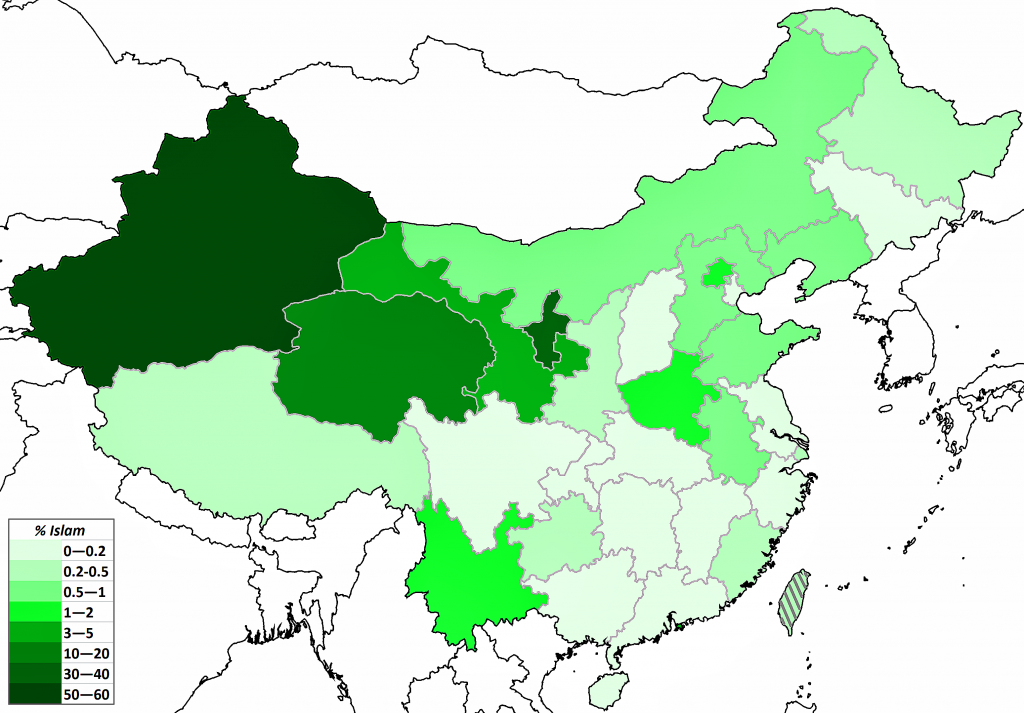
Islam in China
Hui Muslims
The Hui are the largest Muslim ethnic group in China.
They generally speak Mandarin or local Chinese dialects and are culturally similar to the Han majority while maintaining Islamic religious practices.
Hui communities can be found throughout China, particularly in Ningxia, Gansu, and Henan.
Uyghurs
The Uyghurs primarily live in Xinjiang in northwestern China.
Their language belongs to the Turkic language family, and their cultural traditions reflect strong historical connections with Central Asia.
Other Muslim Ethnic Groups
Additional Muslim groups include:
- Kazakhs
- Dongxiang
- Salar
- Tajiks
- Kyrgyz
- Bonan
- Uzbeks
- Tatars
Together, these communities contribute to the diversity of Islamic culture within China.
Chinese Islamic Architecture and Culture
One of the most distinctive aspects of Islam in China is its architectural adaptation.
Unlike many Middle Eastern mosques featuring large domes and minarets, traditional Chinese mosques often resemble temples or courtyards.
Common features include:
- Curved roofs
- Wooden structures
- Chinese calligraphy
- Courtyard layouts
- Traditional garden design
Chinese Islamic culture also developed unique forms of religious education, literature, and artistic expression that blend Islamic and Chinese traditions.
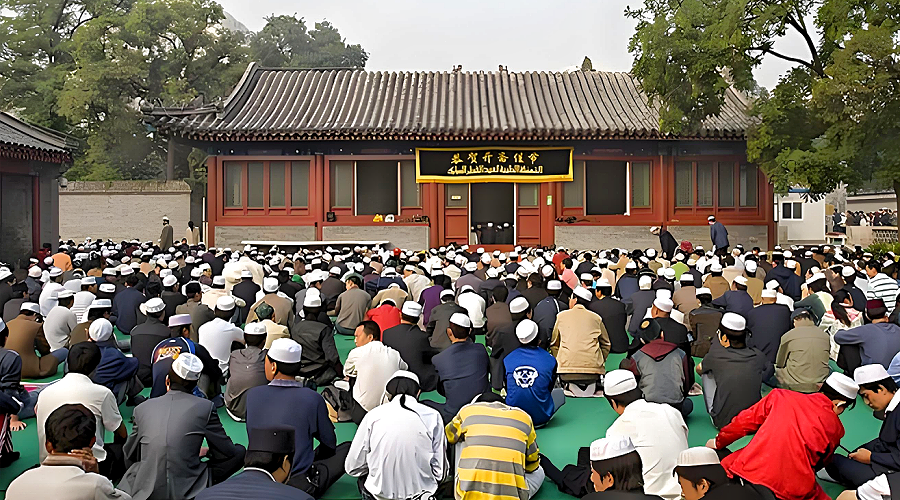
Muslims celebrate Eid al-Fitr together
Islam in Modern China
Today, Islam remains an important component of China's religious and cultural landscape.
Mosques operate in many regions, and Islamic traditions continue to shape community life through:
- Daily prayers
- Religious education
- Ramadan observances
- Islamic festivals
- Halal food culture
China's Muslim communities represent a diverse population with varying languages, histories, and cultural backgrounds, yet they share a common connection to the Islamic faith.
Why the History of Islam in China Matters
The history of Islam in China is a story of cultural exchange, adaptation, and coexistence. For more than thirteen centuries, Muslim merchants, scholars, travelers, and communities have contributed to China's economic development, intellectual life, and cultural diversity.
From the Silk Road to modern cities, Islam has remained an enduring part of Chinese civilization. Understanding this history provides valuable insight into the longstanding relationship between China and the broader Muslim world and highlights how religious traditions can evolve while maintaining their core beliefs across different cultural environments.