

The Silk Road—both the overland routes across Central Asia and the maritime spice routes—played a key role in introducing Islam to China from the 7th century onward. Over more than 1,300 years, Islam reached China through merchants, diplomats, and scholars. It gradually integrated with Chinese society, shaped distinct Muslim communities, and left a rich cultural and architectural legacy across Northwest China and coastal trading cities.
The Spread of Islam Along the Silk Road
Islam entered China through two main routes: the overland Silk Road and the Maritime Silk Road. Each contributed to different phases of development.
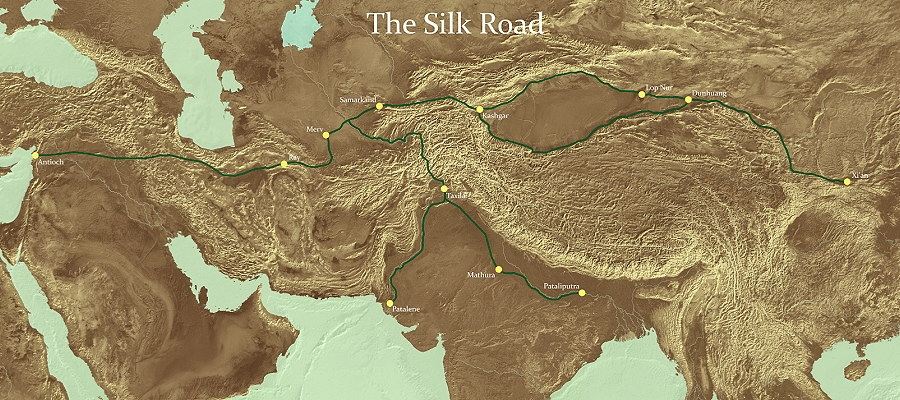
The Silk Road & Islam Spread Route
Overland Silk Road: From Chang’an to Xinjiang
Early contact (Tang Dynasty, 7th–8th century)
Islam is traditionally believed to have arrived in China during the Tang Dynasty, when envoys from the Arabian Empire (known in Chinese sources as Dashi) reached Chang’an (modern Xi’an). Muslim merchants from Arabia, Persia, and Central Asia settled in the capital’s foreign trade quarters.
One of the earliest Islamic landmarks in China, the Xi’an Great Mosque, reflects this early presence, though its current structure was rebuilt and expanded in later dynasties. During the Tang era, Chang’an was a highly international city where multiple religions—including Buddhism, Zoroastrianism, and early Islam—coexisted.
Islamization of Xinjiang (10th–14th century)
Before Islam became dominant, Xinjiang was home to Buddhism, Manichaeism, and Nestorian Christianity. A major turning point came in the 10th century when the Karakhanid ruler Satuk Bughra Khan converted to Islam. Over the following centuries, Islam gradually spread across the Tarim Basin, especially after political and cultural shifts during the Karakhanid and later Chagatai periods.
By the 15th–16th centuries, Islam had become the dominant religion among many Turkic-speaking groups, including the Uyghurs, Kazakhs, Kyrgyz, and Tajiks.
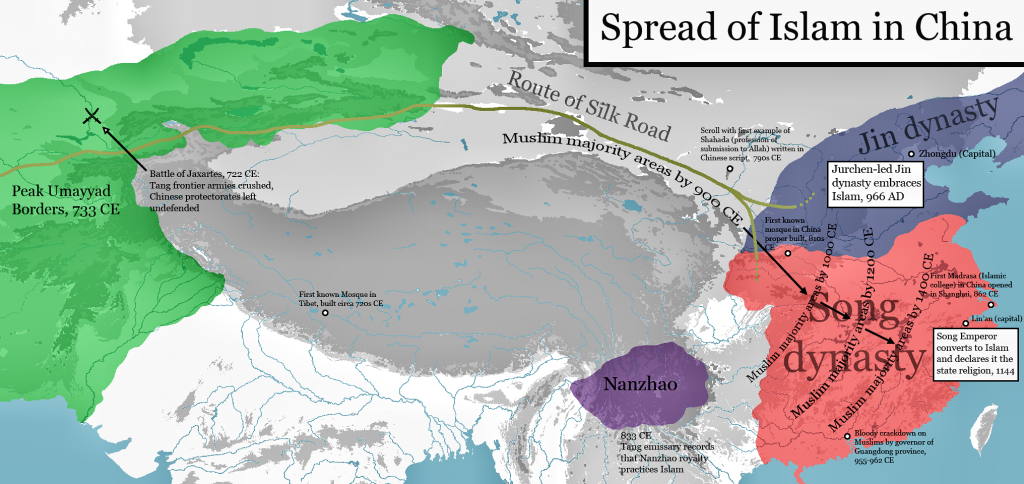
Spread of Islam in China during the Song Dynasty
Yuan Dynasty expansion (13th–14th century)
During the Mongol Empire and Yuan Dynasty, large numbers of Muslims from Central and West Asia were brought into China as craftsmen, administrators, and merchants. Many settled in Gansu, Ningxia, Qinghai, and Shaanxi. This migration significantly contributed to the formation of the Hui Muslim community in China.
Maritime Silk Road: Coastal Muslim Communities
From the Tang and Song dynasties onward, Arab and Persian merchants also arrived by sea, trading through major ports such as Guangzhou, Quanzhou, Yangzhou, and Hangzhou.
Important early mosques built in these port cities include:
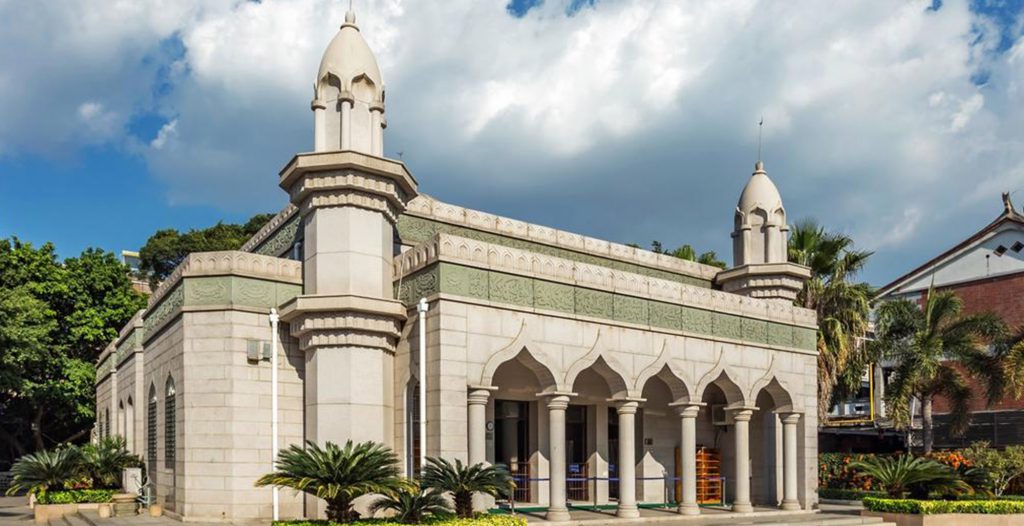
- Huaisheng Mosque (Guangzhou)
- Qingjing Mosque (Quanzhou)
- Xianhe Mosque (Yangzhou)
- Fenghuang Mosque (Hangzhou)
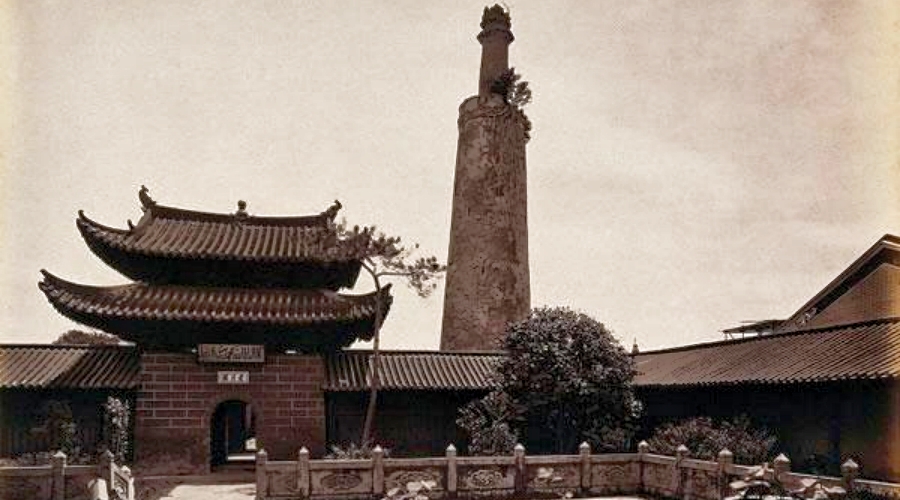
Guangzhou Huaisheng mosque
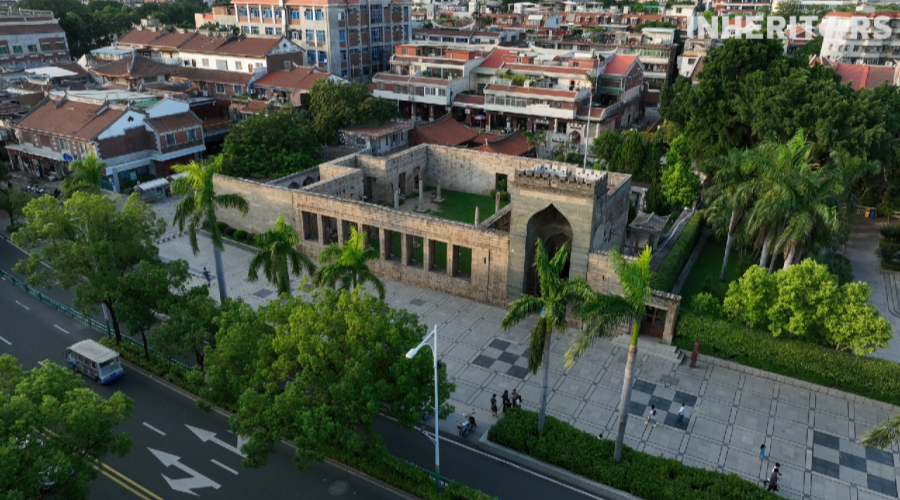
Quanzhou Qingjing Mosque
These coastal Muslim communities became active participants in international trade and gradually integrated with local Chinese society through intermarriage and cultural exchange.
Muslims and Silk Road Trade Networks
Muslim merchants played a central role in Eurasian commerce for centuries, connecting China with the Middle East, Central Asia, and Europe.
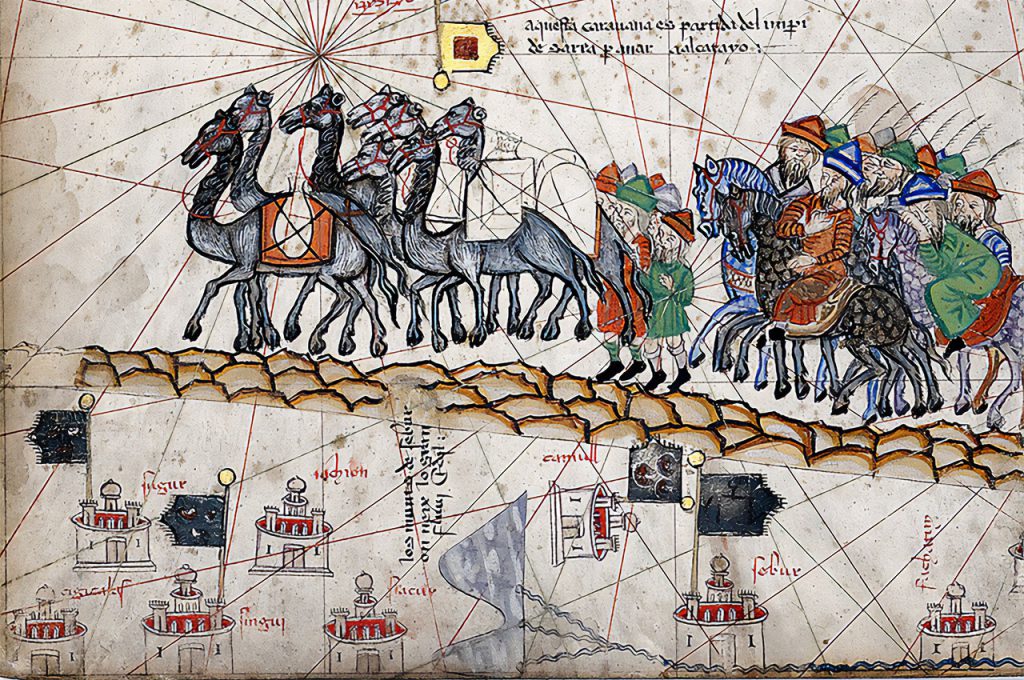
Muslims and Silk Road Trade Networks
- They exported Chinese goods such as silk, porcelain, tea, and paper.
- They imported horses, spices, glassware, jade, textiles, and medicinal materials into China.
- Trade networks were supported by credit and trust-based systems such as early forms of Islamic trade financing, which reduced the need to transport large amounts of cash over long distances.
- Diplomatic exchanges between Tang China and the Abbasid Caliphate further strengthened commercial and cultural ties.
Cultural Fusion: The Formation of Chinese Islamic Culture
Over time, Islam in China adapted to local society while maintaining core religious principles. This produced a distinctive Chinese Islamic tradition.
Architecture: Two Regional Styles
Central Plains (Chinese-style mosques)
In cities like Xi’an and Beijing, mosques often follow traditional Chinese architectural layouts, with courtyards, wooden halls, and curved roofs. The Xi’an Great Mosque is a prime example, combining Chinese design with Arabic inscriptions and Islamic calligraphy.
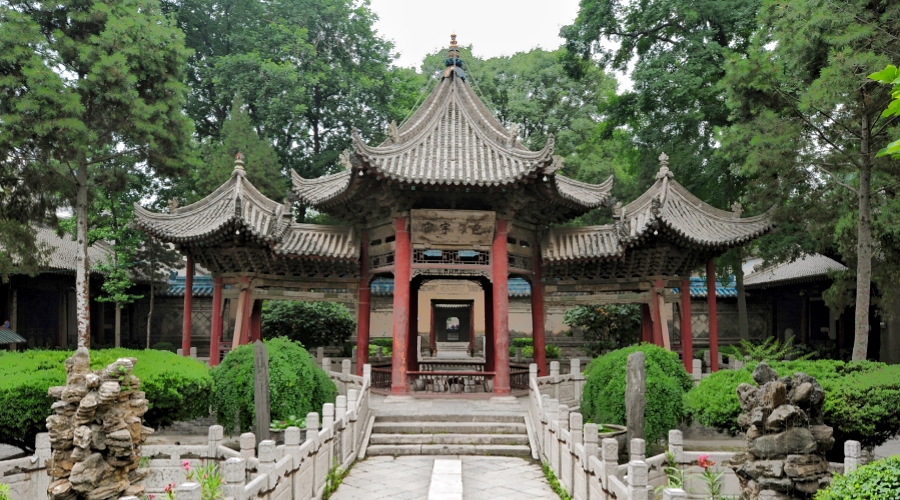
Xi’an Great Mosque
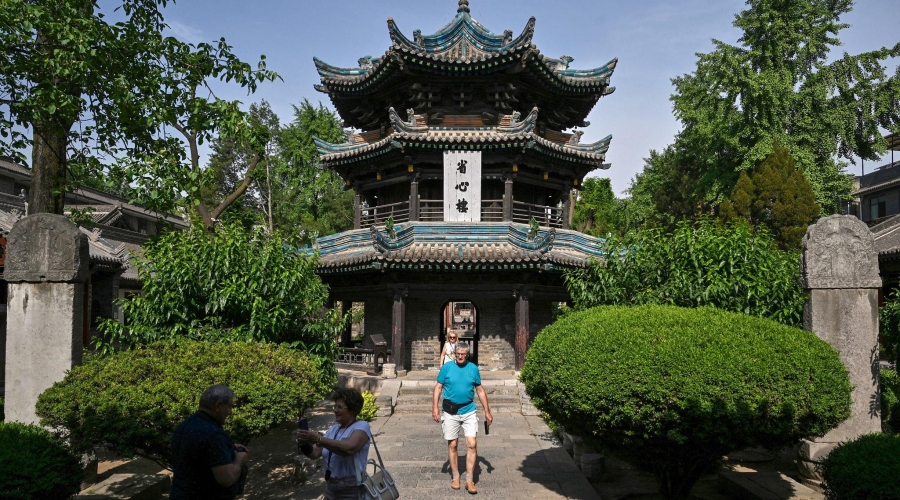
Shengxin Building of the Xi’an Great Mosque
Northwest China (Central Asian influence)
In Xinjiang, mosques such as the Id Kah Mosque in Kashgar reflect Central Asian Islamic architecture, featuring large courtyards, domes, minarets, and geometric decoration. Nearby mausoleums, such as the Afaq Khoja Mausoleum, also show strong Persian and Uyghur artistic influence.
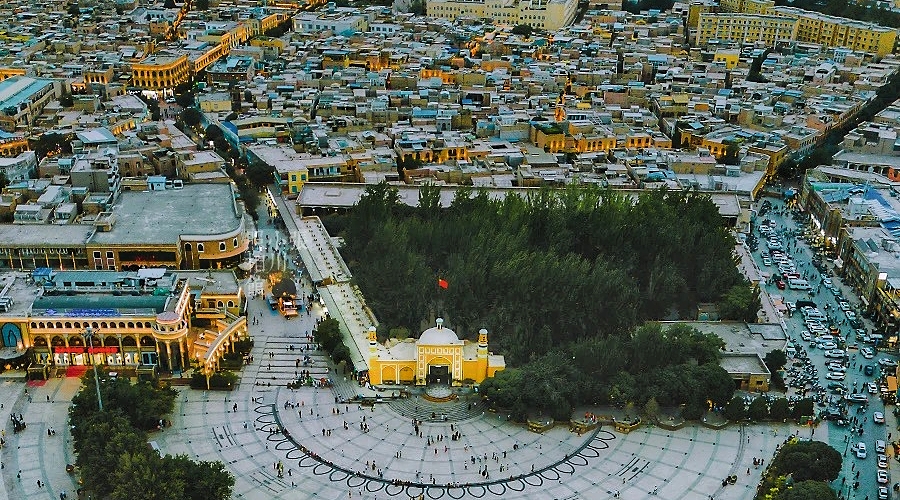
Id Kah Mosque in Kashgar, Xinjiang
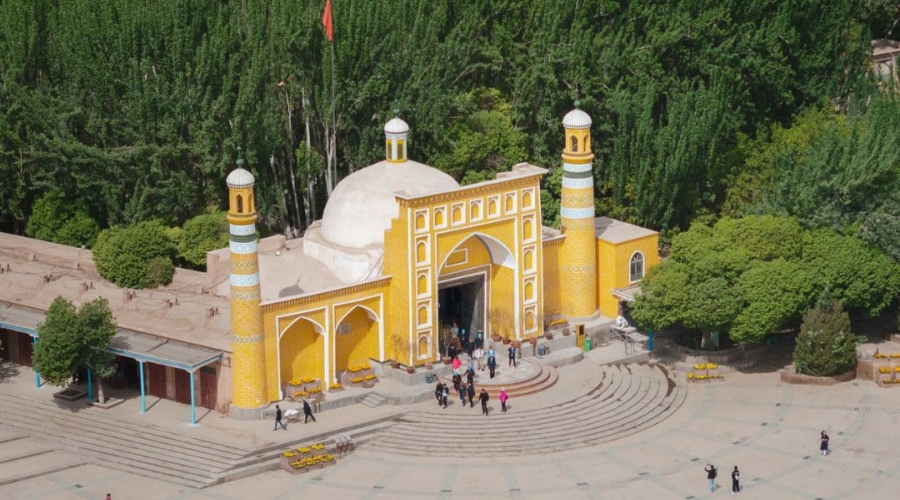
Id Kah Mosque in Kashgar
Language and Intellectual Traditions
Chinese Muslims developed a bilingual and bicultural tradition:
- Hui scholars produced the Han Kitab, writing Islamic philosophy in Chinese using Confucian concepts.
- Arabic and Persian remained important for religious education and scripture.
- In Xinjiang, Islamic literature blended Turkic languages with Persian-Islamic literary traditions.
Science, Technology, and Knowledge Exchange
The Silk Road enabled two-way exchange of knowledge:
- Astronomy: Islamic star charts and mathematical methods influenced Chinese imperial astronomy.
- Medicine: Arab medical knowledge complemented traditional Chinese medicine.
- Crafts: Techniques such as metal engraving, glassmaking, and carpet weaving entered China, while Chinese porcelain and silk production spread westward.
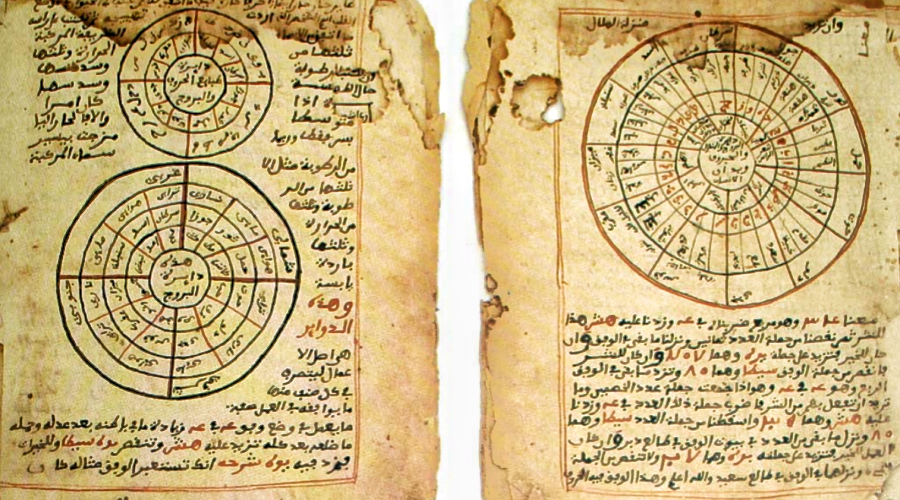
Astronomy in the Medieval Islamic World
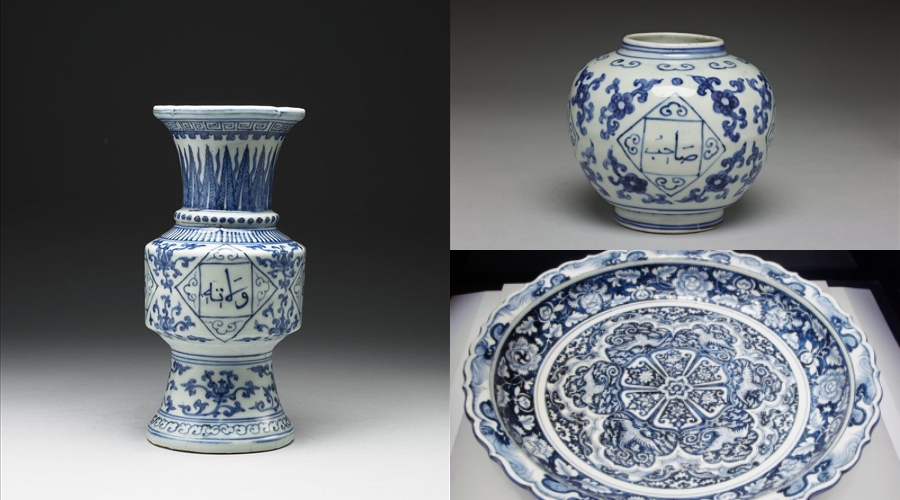
Blue-and-white porcelain with Arabic inscriptions
Formation of Muslim Ethnic Groups in China
Islamic influence contributed to the formation and development of China’s 10 officially recognized Muslim ethnic groups:
- Hui
- Uyghur
- Kazakh
- Kyrgyz
- Tajik
- Uzbek
- Tatar
- Dongxiang
- Salar
- Bonan
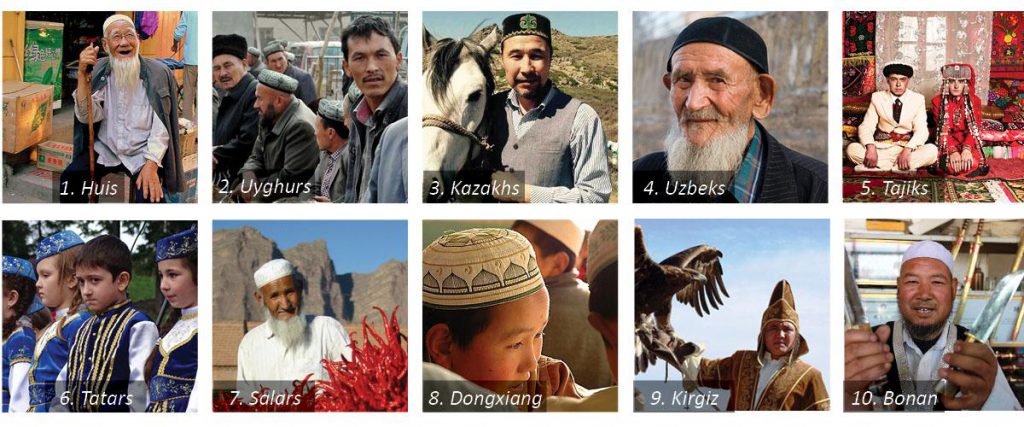
The diverse Muslim ethnic groups of China
The Hui are widely distributed across China, while the others are mainly concentrated in Northwest China, especially Xinjiang, Gansu, and Qinghai.
Social Life and Religious Practices Along the Silk Road
Mosque-centered communities
In historical cities like Chang’an (Xi’an), Muslim communities often lived near mosques, forming compact urban neighborhoods. These “Hui quarters” combined religious, educational, and social functions.
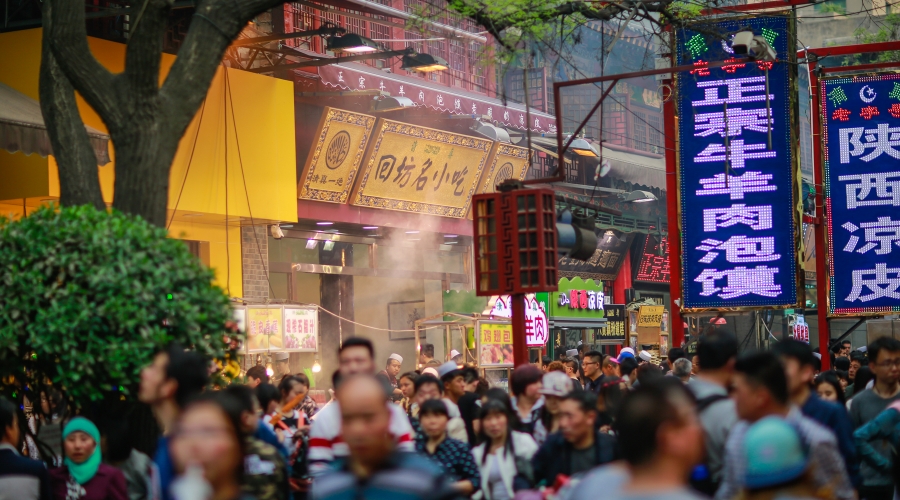
Xi'an's Muslim Quarter
Coexistence of religions
For most of Chinese history, Islam coexisted peacefully with Buddhism, Taoism, and folk traditions. The Silk Road fostered a culture of openness and religious diversity rather than dominance by a single faith.
Halal dietary tradition
Islamic dietary rules became an established part of daily life in Muslim communities, forming the foundation of China’s long-standing halal food culture.
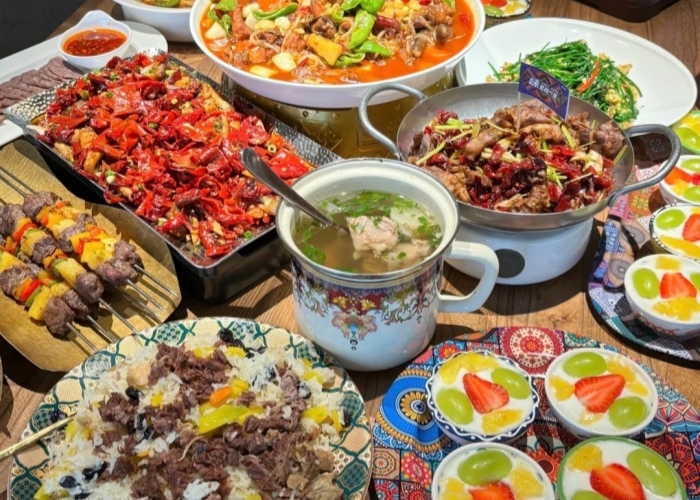
Xinjiang Halal Cuisine
Modern Legacy of the Silk Road in China
Cultural heritage sites
Key Islamic heritage sites in China include:
- Xi’an Great Mosque
- Qingjing Mosque in Quanzhou
- Id Kah Mosque in Kashgar
- Ancient mausoleums and Silk Road ruins in Xinjiang
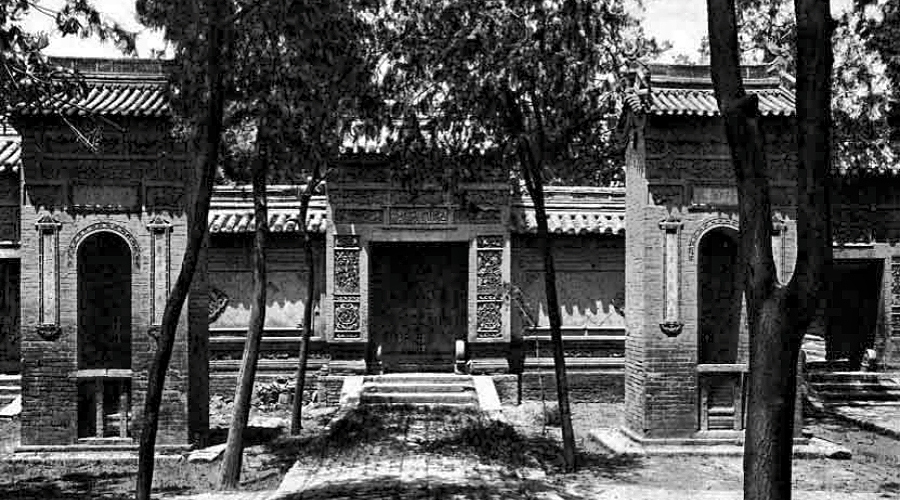
Xi'an Mansion, Courtyard in front of the Great Mosque, 1906
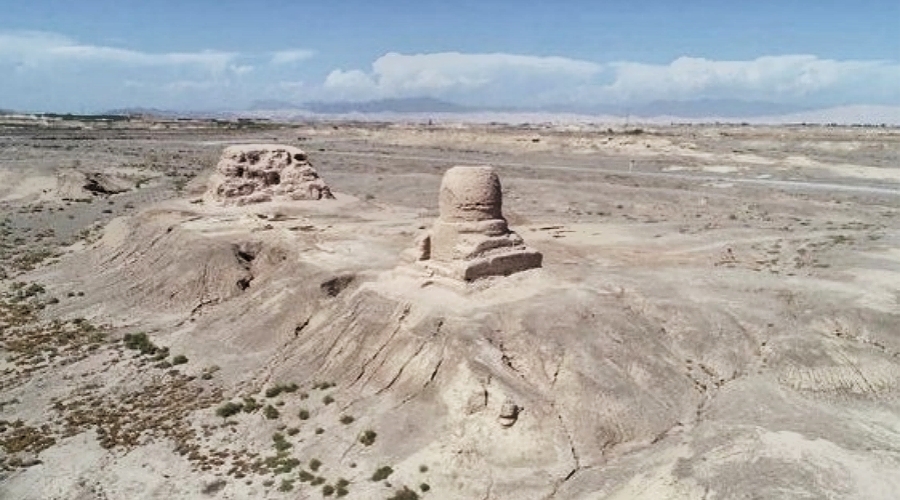
Moer Temple Ruins
Many of these are part of the UNESCO-listed Silk Roads: Chang’an–Tianshan Corridor.
Continuation of Silk Road exchange
Today, the historical Silk Road spirit continues through modern infrastructure and cultural exchange initiatives. Muslim communities in China still play a role in connecting China with countries across Central Asia, the Middle East, and beyond.
The Silk Road was not only a trade route but also a cultural bridge through which Islam took root and developed in China. Over more than 1,300 years, Islamic faith, architecture, language, and communities became deeply interwoven with Chinese civilization. The result is a unique Chinese Islamic heritage that remains an important part of both China’s cultural identity and the broader history of the Silk Road.