

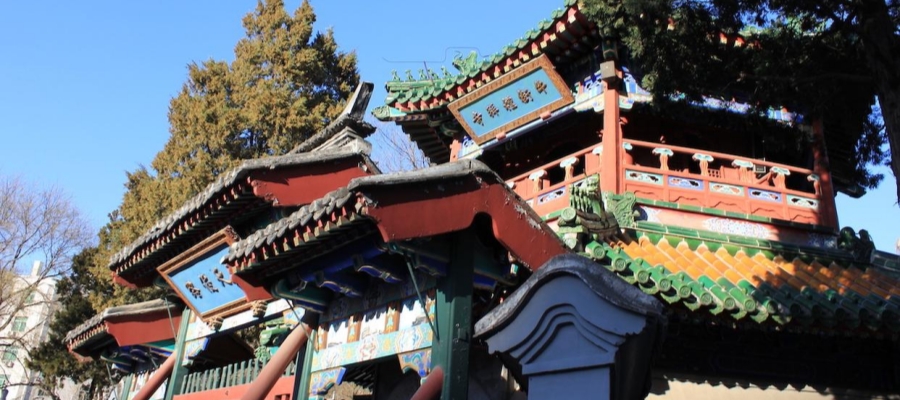
Beijing blends imperial heritage, modern city life, and diverse cultural traditions. It is also home to some of China's oldest and most important mosques, reflecting centuries of cultural exchange and the city's long Muslim history.
For Muslim travelers, these mosques offer a meaningful connection to local Islamic heritage and halal dining. For other visitors, they provide a fascinating look at Beijing's multicultural history, architecture, and community life.
This guide highlights some of Beijing's most notable mosques, their history, and practical tips for respectful visits.
A Brief History of Islam in Beijing
Islam has been present in Beijing for many centuries, with roots that go back to the Yuan Dynasty (1271–1368), when the city became the capital of a vast empire linking different parts of Asia. During this period, merchants, scholars, soldiers, and travelers from Central Asia and beyond settled in the city, helping form early Muslim communities.
In the Ming and Qing dynasties, Beijing became home to the well-known "Four Great Official Mosques". A title for mosques that received imperial plaques and official recognition from the Ministry of Rites.
The four mosques traditionally identified as the Four Great Official Mosques in Beijing are:
- Dongsi Mosque
- Pushou Temple Mosque
- Faming Temple Mosque
- Niujie Mosque
Over time, these mosques became an important part of Beijing's social and cultural fabric. They were not only places of worship, but also centers for education, community gatherings, and cultural exchange.
Today, Beijing is home to several historic mosques that continue to serve local communities while also attracting visitors interested in history, architecture, and Islamic heritage.
Niujie Mosque – The Oldest Mosque in Beijing
Niujie Mosque is the most famous and historically significant mosque in Beijing. It was originally built in 996 during the Liao Dynasty and later expanded during the Ming and Qing dynasties.
What makes Niujie Mosque especially distinctive is its blend of traditional Chinese architecture and Islamic elements. Instead of a Middle Eastern style, it follows the layout of a classical Chinese temple complex, with courtyards, wooden halls, and elegant rooflines, while Arabic inscriptions and Islamic motifs add to its cultural character.
What to expect:
- Classical Chinese temple-style layout with multiple courtyards
- Elegant wooden structures and traditional rooflines
- A prayer hall that reflects both Chinese craftsmanship and Islamic identity
- Historic Arabic and Chinese inscriptions throughout the complex
- A strong sense of continuity between past and present
The nearby Niujie area is also one of the best places in Beijing to explore halal dining, offering everything from traditional lamb dishes to hand-pulled noodles and local halal food.
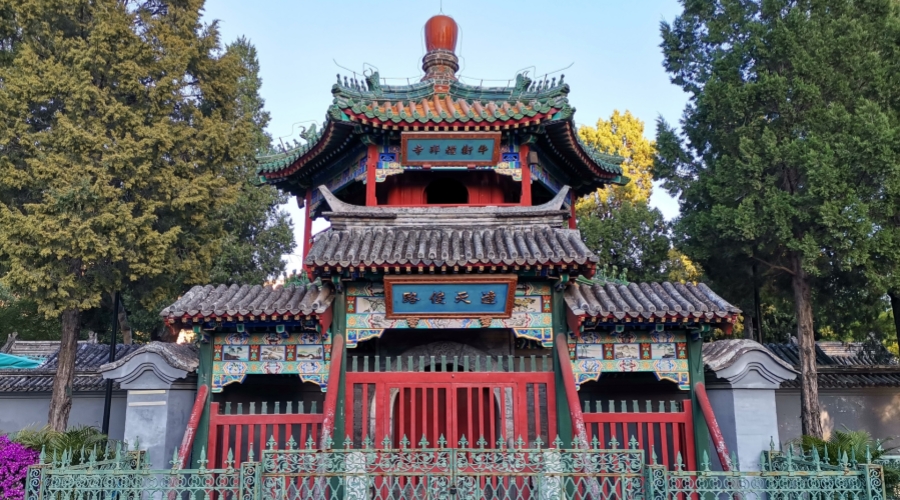
Beijing Niujie Mosque
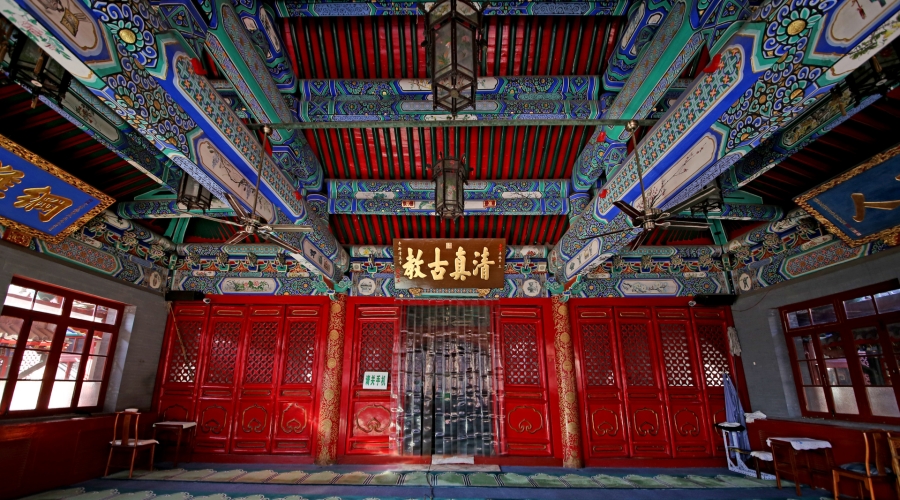
The prayer hall of Beijing's historic Niujie Mosque
Dongsi Mosque – One of Beijing's Four Great Official Mosques
Located in Beijing's Dongcheng District, Dongsi Mosque is one of the city's most important active mosques. It has served local Muslim communities for centuries and remains an important cultural site today.
Unlike Niujie Mosque, Dongsi Mosque is more modest in scale, but it is highly valued for its historical significance and peaceful atmosphere. Its architecture is characterized by a restrained courtyard layout, balanced proportions, and a quiet elegance that reflects the refined style of traditional Beijing religious buildings.
What to expect:
- A compact courtyard design with a calm, orderly layout
- Traditional wooden and brick construction
- Subtle decorative details rather than grand ornamentation
- Historic atmosphere that reflects Beijing's scholarly Muslim heritage
- A serene setting that feels deeply local and authentic
Dongsi Mosque is a good choice for visitors who want to see a historic mosque with a more understated architectural character.
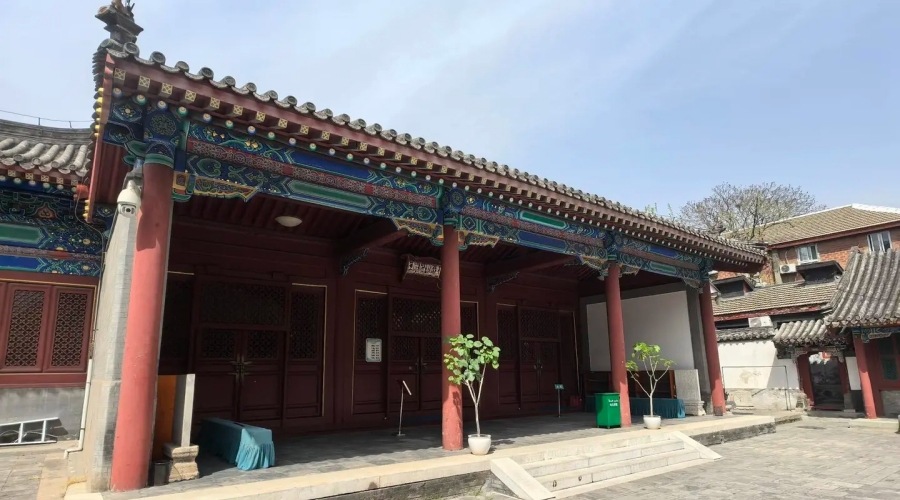
Dongsi Mosque – One of Beijing's Four Great Official Mosques
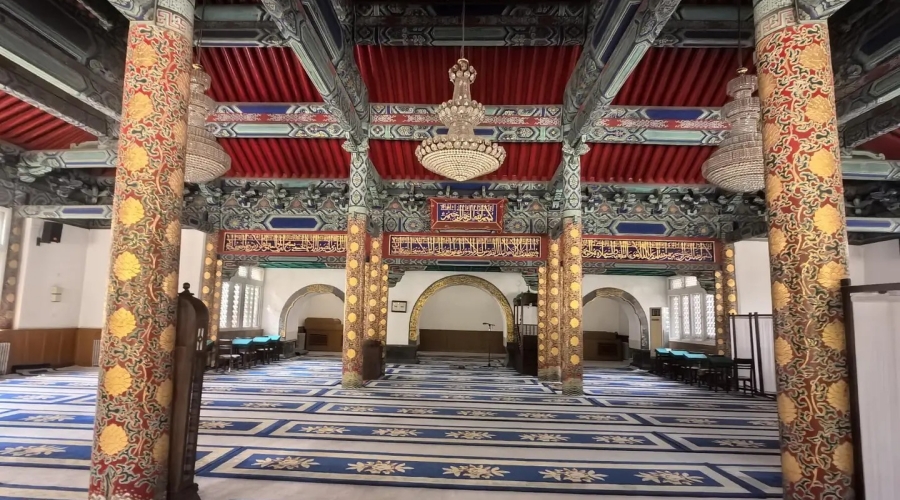
The prayer hall of Dongsi Mosque in Beijing
Madian Mosque – A Modern Community Mosque Serving Today's Community
Madian Mosque is located in northern Beijing and serves a large local Muslim community. While it has been renovated in modern times, it continues to play an important role in daily community life.
This mosque is especially interesting for travelers who want to see how Islamic culture continues to exist within a modern urban environment. Its architecture reflects this balance: the building is more contemporary in form, but it still preserves familiar Islamic and Chinese design elements that connect it to Beijing's broader mosque tradition.
What to expect:
- A modern mosque design with traditional cultural references
- Spacious prayer areas suited to an active community setting
- Clean, functional architecture that reflects contemporary use
- A blend of modern materials and familiar mosque symbolism
- A living example of how Islamic life continues in today’s Beijing
For Muslim travelers staying in northern Beijing, Madian Mosque can be a meaningful stop that shows the present-day side of the city's Muslim heritage.
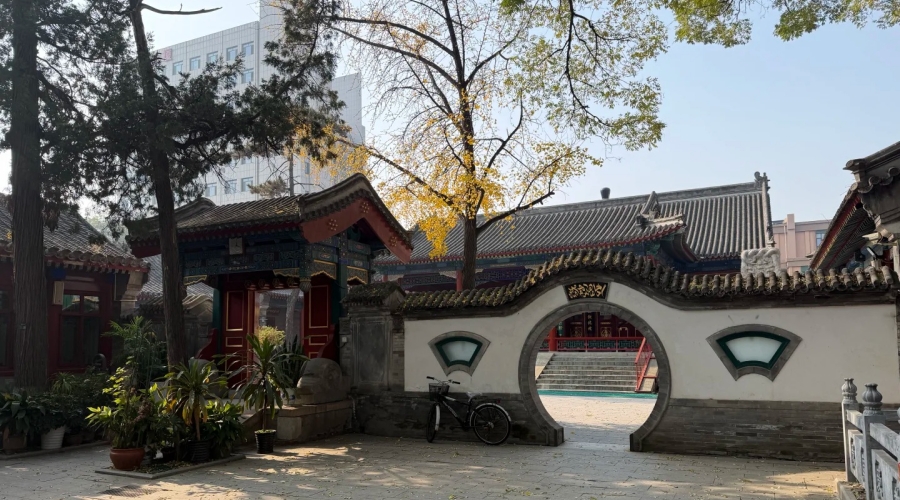
Madian Mosque is one of Beijing's historic mosques
Tongzhou Mosque – A Historic Mosque Along the Grand Canal
Located in Beijing's Tongzhou District, Tongzhou Mosque has served local Muslim communities for generations and reflects the area's history as an important transportation and commercial center along the Grand Canal.
Compared with the better-known mosques in central Beijing, Tongzhou Mosque offers a quieter atmosphere and a more local experience. Its traditional Chinese architectural style, spacious courtyard, and long history make it an interesting destination for travelers who wish to explore beyond the city's most visited landmarks.
Visitor Highlights
- Historic mosque associated with the Grand Canal area
- Traditional Chinese-style architecture
- Peaceful courtyard and community atmosphere
- Less crowded than central Beijing mosques
- Suitable for travelers exploring Beijing's eastern districts
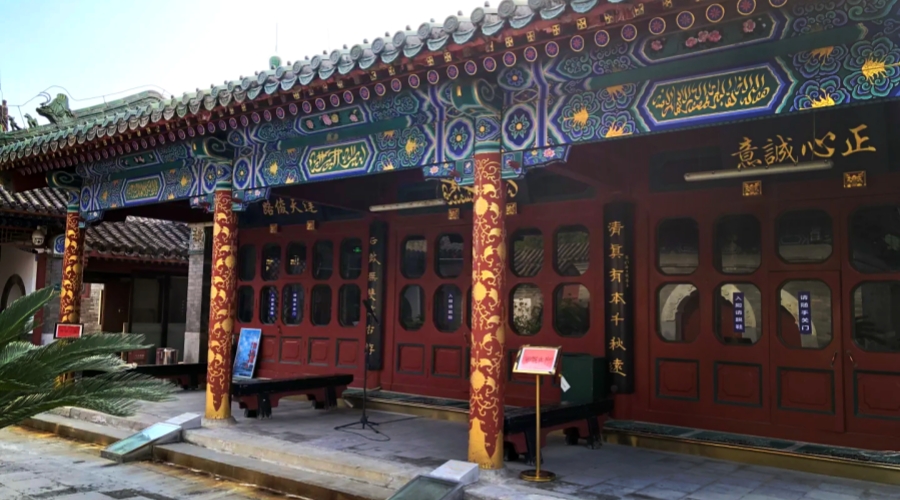
A view of Tongzhou Mosque in Beijing
Nan Douya Mosque – A Hidden Historical Site
Nan Douya Mosque is one of Beijing's lesser-known mosques, making it a quiet stop for travelers interested in off-the-beaten-path cultural sites.
It reflects the traditional layout of Chinese mosques, with courtyards and simple architectural design. Because it is less visited than Niujie or Dongsi, it can feel more intimate and local. Its charm lies in its modest scale, old neighborhood setting, and the way it preserves the atmosphere of a neighborhood mosque rather than a major landmark.
What to expect:
- Small-scale traditional courtyard architecture
- Simple and understated decorative style
- A quiet, neighborhood-based setting
- Strong sense of local history and community continuity
- An intimate atmosphere that rewards slow exploration
If you prefer quieter places and want to explore beyond the main tourist route, Nan Douya Mosque is worth considering.
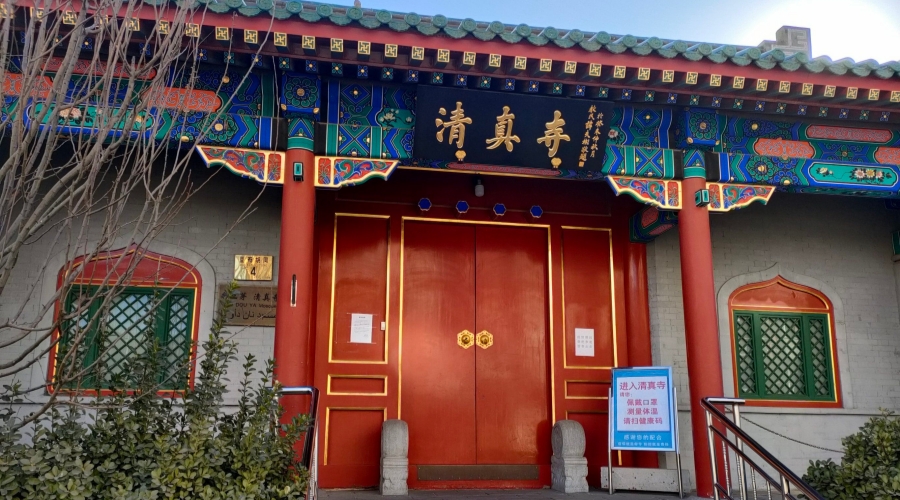
Nandouya Mosque has been part of Beijing's Muslim community for centuries.
Halal Food Options Near Mosque Areas
One of the advantages of visiting mosque areas in Beijing is the availability of diverse dining options nearby.
Around Niujie Mosque, for example, visitors can find:
- Traditional noodle shops
- Lamb-based dishes popular in local cuisine
- Small halal-certified eateries and bakeries
The Niujie area, in particular, is one of the most famous halal food districts in China. These areas often combine cultural exploration with local food experiences, making them ideal for half-day or full-day visits.
Many restaurants and shops display the 清真 (qingzhen) sign, which indicates halal food.
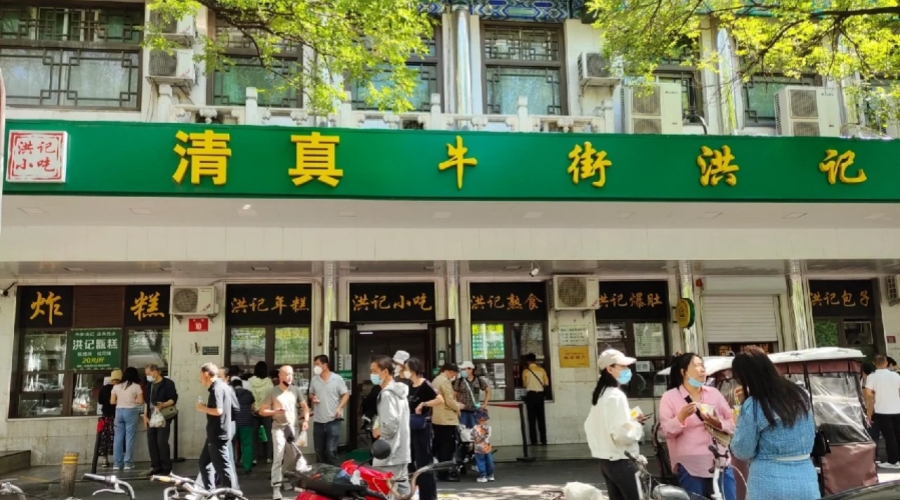
A vibrant street filled with traditional halal restaurants and local snacks.
Travel Tips for Visiting Mosques in Beijing
Beijing's mosques are active religious and community spaces, so visitors should be respectful and mindful of local customs.
- Opening access: Some areas may be restricted during prayer times
- Dress code: Modest and comfortable clothing is recommended
- Behavior: Maintain a quiet and respectful atmosphere inside mosque grounds
- Photography: Always check before taking photos, especially inside prayer halls
- Best time to visit: Mid-morning or mid-afternoon outside peak prayer times is usually ideal
Most mosques are more accessible to visitors outside prayer hours, and staff or community members are generally welcoming to travelers who show genuine interest in the history and architecture.
If you are a Muslim traveler, it is also helpful to plan your route around prayer times and nearby halal restaurants. If you are a non-Muslim visitor, approaching the mosque as a living cultural site rather than just a sightseeing stop will make the experience more meaningful.
Mosques in Beijing represent an important part of the city's historical and cultural identity. From centuries-old landmarks to active community centers, they reflect the long-standing diversity of the capital.
For travelers, visiting these mosques offers not only architectural interest but also a deeper understanding of Beijing's cultural landscape, especially when combined with nearby food and heritage experiences.