

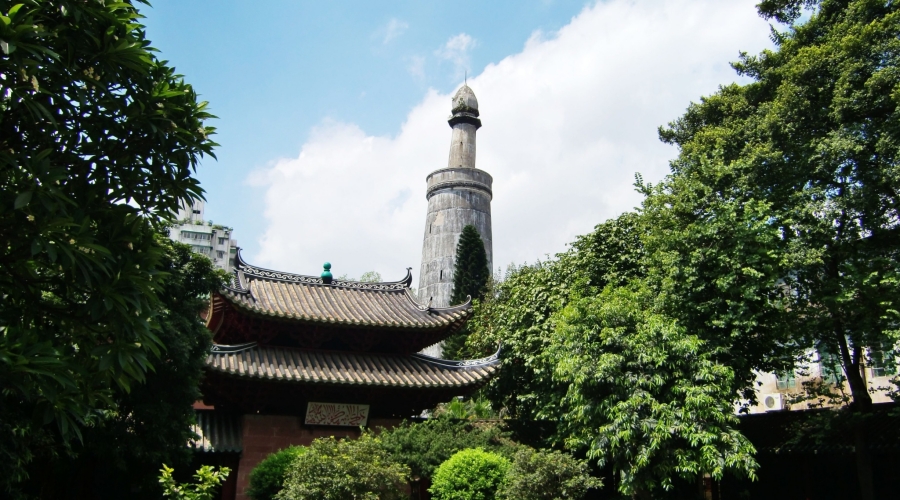
Guangzhou is one of China's oldest trading ports and a key hub of the Maritime Silk Road. For centuries, Arab, Persian, and other Muslim merchants came here to trade silk, porcelain, spices, and tea, contributing to the development of one of China's earliest Muslim communities.
Today, Guangzhou remains a welcoming destination for Muslim travelers. Historic mosques are still active, and halal restaurants, Muslim-friendly neighborhoods, and easy transport make the city convenient to explore.
This guide highlights the city's key mosques, their historical significance, and essential visitor tips for a respectful and rewarding trip.
The History of Islam in Guangzhou
Guangzhou has been connected to the Islamic world since the Tang Dynasty (618–907 AD), when it served as China's primary international seaport. Arab and Persian merchants regularly sailed across the Indian Ocean and South China Sea, bringing goods, knowledge, and religious traditions to the city.
Unlike the overland Silk Road that linked northwestern China with Central Asia, Guangzhou became the eastern gateway of the Maritime Silk Road. Muslim traders settled near the port, established businesses, and gradually formed thriving communities that contributed to the city's commercial and cultural development.
Today, this rich history can still be experienced through Guangzhou's historic mosques, many of which continue to function as active places of worship while standing as reminders of centuries of cross-cultural exchange.
The Growth of the Muslim Community
Over the centuries, Guangzhou's Muslim population expanded through trade, migration, and cultural interaction. Today, the city is home to Hui, Uyghur, and other Muslim communities, as well as international residents and business travelers from the Middle East, Southeast Asia, Africa, and beyond.
This diversity is reflected not only in the city's mosques but also in its halal restaurants, Islamic cultural activities, and vibrant neighborhoods such as Xiaobei, where visitors can experience a blend of Chinese and international Muslim cultures.
Four Historic Mosques You Should Visit
Guangzhou is home to several historic mosques that reflect its long-standing Islamic heritage and cultural diversity.
1. Huaisheng Mosque (怀圣寺)
- Address: No. 56 Guangta Road, Yuexiu District, Guangzhou
Often regarded as Guangzhou's most famous mosque, Huaisheng Mosque is among the oldest surviving mosques in China.
Local tradition associates its origins with the Tang Dynasty, making it one of the country's earliest Islamic landmarks.
Its most recognizable feature is the Guangta, or "Light Tower," a slender minaret that has served as a city landmark for centuries. Local traditions and historical descriptions often associate the tower with Guangzhou's maritime history and its role as a landmark for the city's ancient port.
Unlike many Middle Eastern mosques, Huaisheng Mosque combines Islamic religious functions with traditional Chinese architectural elements. Visitors will find peaceful courtyards, elegant prayer halls, and carefully preserved historic buildings that reflect centuries of architectural evolution.
The mosque remains an active place of worship, welcoming Muslims for daily prayers while allowing respectful visitors to appreciate its historical significance.
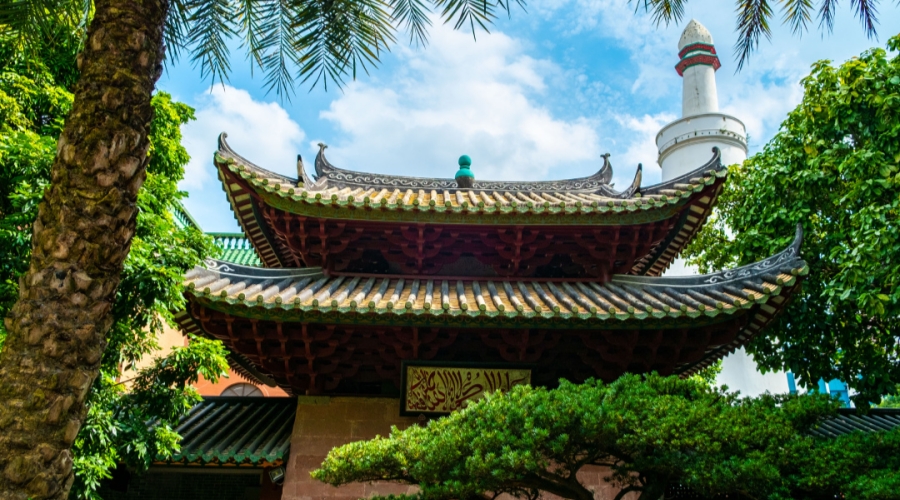
Huaisheng Mosque
2. Xianxian Mosque (先贤清真寺)
- Address: No. 901 North Jiefang Road, Yuexiu District, Guangzhou
Xianxian Mosque is one of Guangzhou's most important historic mosques and is traditionally associated with Sa'd ibn Abi Waqqas, a companion of the Prophet Muhammad. Located nearby is the Xianxian Tomb (先贤古墓), which local Muslim traditions have long linked to his arrival in China. While historical evidence of his visit remains debated among scholars, the site has been an important place of remembrance and cultural heritage for Guangzhou's Muslim community.
Today, the mosque hosts daily prayers, Friday congregational worship, Ramadan activities, and community gatherings. It is especially popular among international Muslims living or working in Guangzhou, creating a welcoming environment for visitors from around the world.
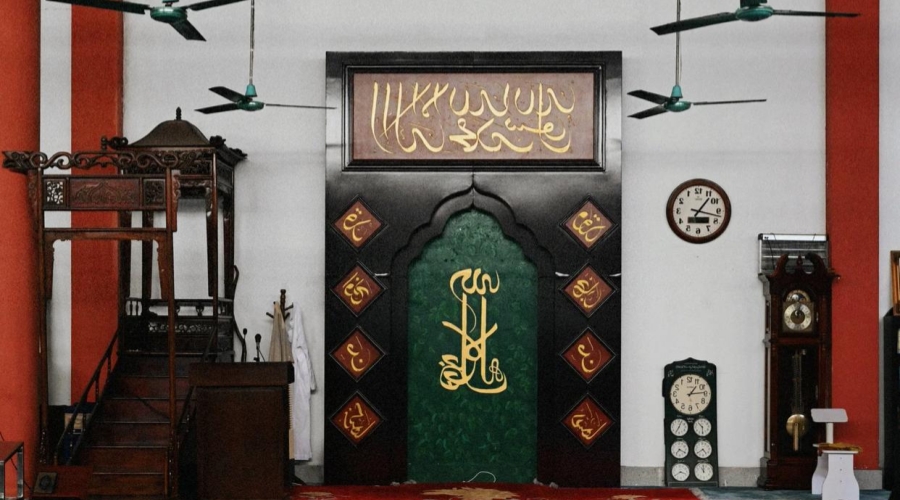
The Main Hall of Xianxian Mosque
3. Xiaodongying Mosque (小东营清真寺)
- Address: No. 1, Xiaoyingdong, Yuehua Road, Yuexiu District, Guangzhou
Located in one of Guangzhou's historic neighborhoods, Xiaodongying Mosque offers visitors a quieter and more intimate experience than some of the city's larger mosques.
Its traditional Chinese courtyard design demonstrates how Islamic religious architecture adapted to local building styles while preserving essential religious functions. The mosque continues to serve nearby residents and provides a peaceful atmosphere for prayer and reflection.
For travelers interested in authentic local life rather than major tourist attractions, Xiaodongying Mosque offers valuable insight into Guangzhou's long-established Muslim community.
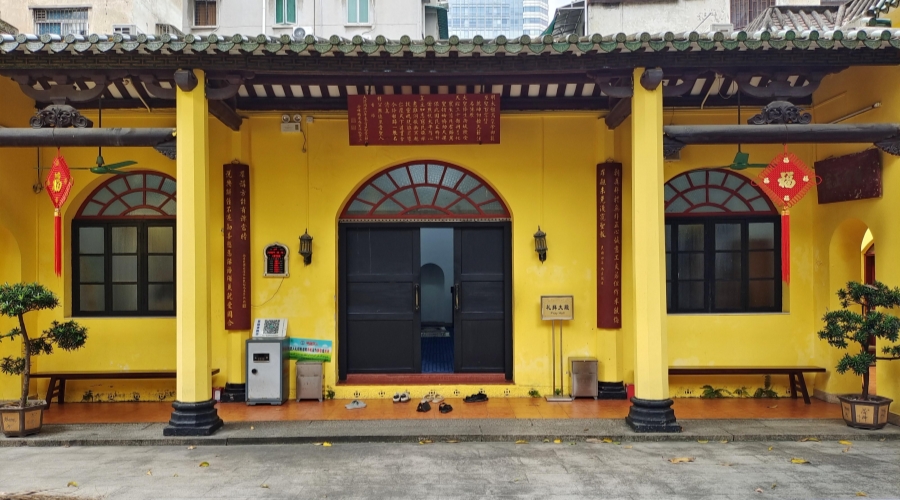
Xiaodongying Mosque
4. Haopan Mosque (濠畔清真寺)
- Address: No. 378, Haopan Street, Tiancheng Road, Yuexiu District, Guangzhou
Haopan Mosque is another historic place of worship that reflects Guangzhou's centuries-old Islamic heritage. It remains an active community mosque serving local Muslims.
Visitors can admire its traditional architectural details while observing how historic mosques continue to play an important role in everyday religious life. Its peaceful setting offers an opportunity to appreciate both the cultural and spiritual dimensions of Guangzhou's Muslim heritage.
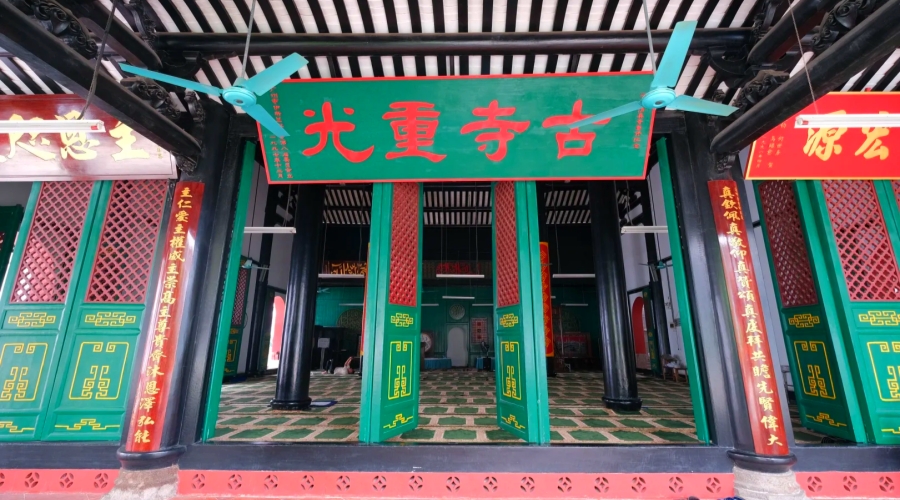
The Main Prayer Hall of the Haopan Mosque
What Makes Guangzhou's Mosques Unique?
Guangzhou's mosques are more than places of worship; they represent centuries of cultural exchange between China and the Islamic world. Their unique character can be seen in their architecture, history, and role in the local community.
Chinese-Islamic Architecture
Historic mosques in Guangzhou combine Islamic traditions with traditional Chinese design. Instead of domes and minarets commonly seen in other regions, they often feature tiled roofs, courtyards, wooden structures, and decorative details inspired by Chinese architecture.
The Historic Guangta Minaret
The Guangta ("Light Tower") at Huaisheng Mosque is one of Guangzhou's most distinctive landmarks. Its unique cylindrical design reflects the city's maritime connections and stands as a symbol of Guangzhou's early exchanges with the Islamic world.
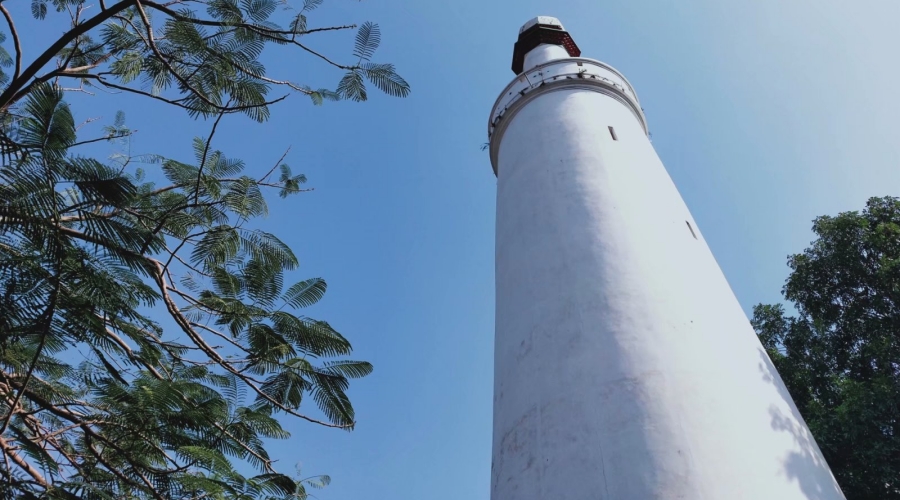
The Light Tower—the iconic structure of Huai Sheng Temple
Living Cultural Spaces
Guangzhou's historic mosques remain active community spaces today. Beyond their historical value, they continue to support local Muslim communities through daily worship, gatherings, and cultural activities, connecting the city's past with the present.
Planning Your Mosque Visit
A little preparation can help ensure a respectful and enjoyable visit to Guangzhou's historic mosques.
Opening Hours & Visitor Etiquette
Most mosques welcome visitors outside prayer times, but access may vary depending on religious activities.
When visiting:
- Dress modestly and cover shoulders and knees.
- Remove shoes before entering prayer areas when required.
- Keep quiet and avoid disturbing worshippers.
- Ask before taking photos, especially inside prayer halls.
- Follow guidance from mosque staff.
Friday Prayers
Friday prayers (Jumu'ah) are the busiest time at Guangzhou's mosques. Muslim travelers attending prayers should arrive early, while other visitors are advised to avoid prayer areas during congregational worship unless invited.
Nearby Halal Dining
Many halal restaurants are located near historic mosques, especially around Huaisheng Mosque and Xiaobei. Travelers can enjoy Cantonese halal dishes, Xinjiang cuisine, Lanzhou noodles, and international halal options. Look for the Chinese characters "清真" (Qingzhen) to identify halal restaurants.
Exploring Guangzhou's Muslim Heritage Beyond the Mosques
Beyond its historic mosques, Guangzhou's Muslim heritage can also be experienced through local communities, halal food areas, and cultural traditions that continue today.
Xiaobei Muslim Community
Xiaobei is the center of Guangzhou's modern Muslim community, featuring halal restaurants, grocery stores, bakeries, and local businesses. Visitors can explore the neighborhood to experience the city's multicultural atmosphere and enjoy authentic halal cuisine.
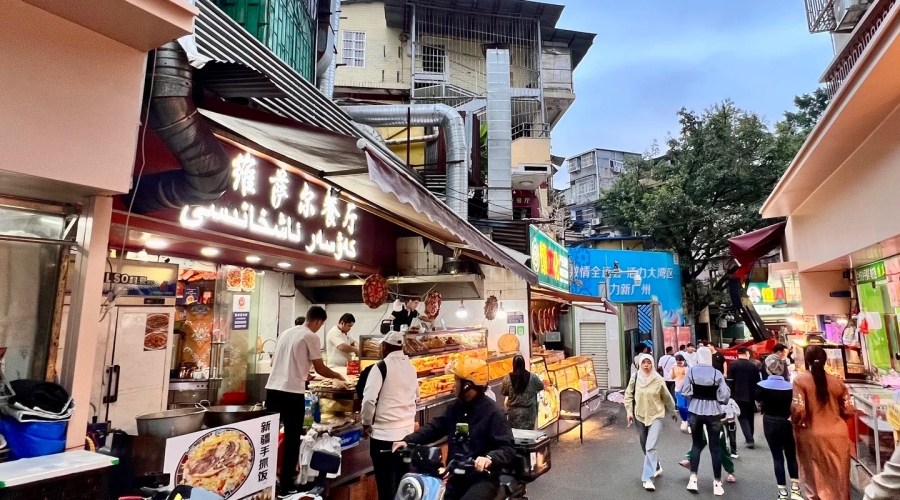
Xiaobei Muslim Community
Traditional Halal Markets
Local halal markets and food shops offer spices, baked goods, meat products, and regional ingredients, providing a glimpse into the daily life and culinary traditions of Guangzhou's Muslim residents.
Islamic Festivals & Community Life
Traveling to China during Ramadan and Eid, Guangzhou's Muslim community becomes especially lively, with mosque activities, community gatherings, and extended halal dining options. Visitors can experience this living heritage while respecting local customs and traditions.
Exploring the mosques of Guangzhou offers a journey through centuries of cultural exchange between China and the Islamic world. From the historic Huaisheng Mosque and Guangta Tower to vibrant Muslim communities and halal neighborhoods, Guangzhou reveals a unique side of China's diverse heritage. Discovering these landmarks provides a deeper connection to the city's maritime history and Muslim-friendly travel experience.