
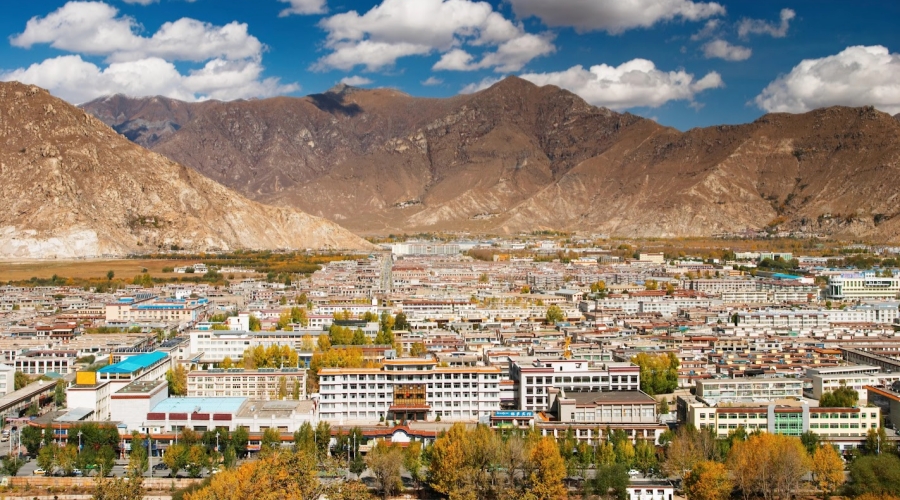
Tibet is one of China’s most unique travel destinations, known for its high-altitude landscapes, sacred lakes, and distinctive Tibetan culture. For Muslim travelers, visiting Tibet is deeply rewarding, but it requires more preparation than many other destinations in China.
Tibet does not have a large Muslim community or extensive halal infrastructure. Travelers will need to plan ahead for travel permits, food arrangements, altitude adaptation, and cultural etiquette.
This guide walks you through everything you should know to prepare for a comfortable journey across the Tibetan Plateau.
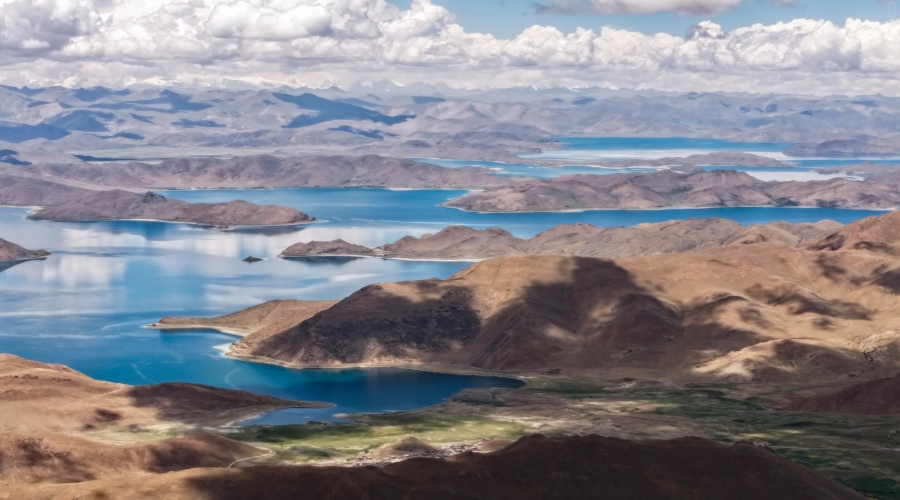
Yamdrok Yum Tso Lake in Tibet
Is Tibet Suitable for Muslim Travelers?
Yes, Muslims can visit Tibet, and many travelers thoroughly enjoy exploring its unique natural scenery and cultural heritage.
That said, Tibet differs significantly from Muslim-friendly regions like Xinjiang, Xi'an, or Gansu, where halal restaurants and mosques are common. In Tibet, you should expect fewer dedicated facilities and arrange the logistics in advance.
A well-planned trip usually involves:
- Confirming travel documents before departure
- Securing halal meal options ahead of time
- Preparing for high-altitude conditions
- Respecting local Tibetan customs and religious traditions
- Choosing a balanced itinerary and comfortable travel pace
Tibet Travel Permit and Visa Requirements
Foreign visitors cannot travel independently in Tibet.
All international travelers are required to arrange a Tibet Travel Permit (TTP) through an authorized travel agency before entering the region. A standard trip typically requires:
- A valid passport
- A Chinese visa (when required)
- A Tibet Travel Permit
- Additional permits for remote areas like Mount Everest Base Camp or western Tibet
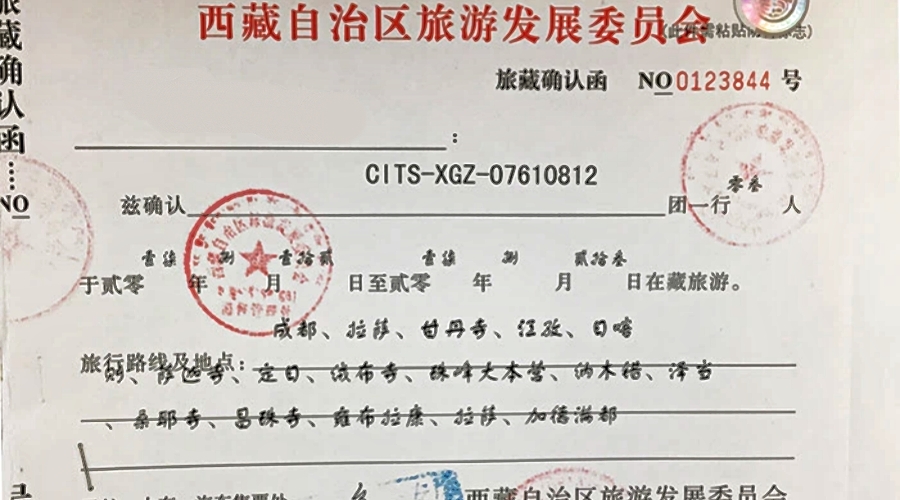
A sample of Tibet Travel Permit
Keep in mind that the Tibet Travel Permit is a distinct document separate from your regular China visa. Most travelers enter Tibet by flying from mainland cities—such as Chengdu, Xi’an, Beijing, or Shanghai—or by taking the Qinghai-Tibet Railway. Your travel agency will handle these documents for you prior to arrival.
Be sure to plan early, especially during peak summer months and national holidays, as permit processing and transportation arrangements take extra time.
Altitude Sickness: What You Need to Know
One of the biggest physical challenges in Tibet is the high altitude. Most areas visited by tourists sit above 3,000 meters (roughly 9,800 feet), and several key destinations are much higher:
- Lhasa: ~3,650 meters (11,975 ft)
- Shigatse: ~3,800 meters (12,467 ft)
- Yamdrok Lake: ~4,400 meters (14,435 ft)
- Everest Base Camp: ~5,200 meters (17,060 ft)
Altitude sickness can affect anyone, regardless of age, fitness level, or past travel experience. Common symptoms include headaches, fatigue, shortness of breath, dizziness, and trouble sleeping.
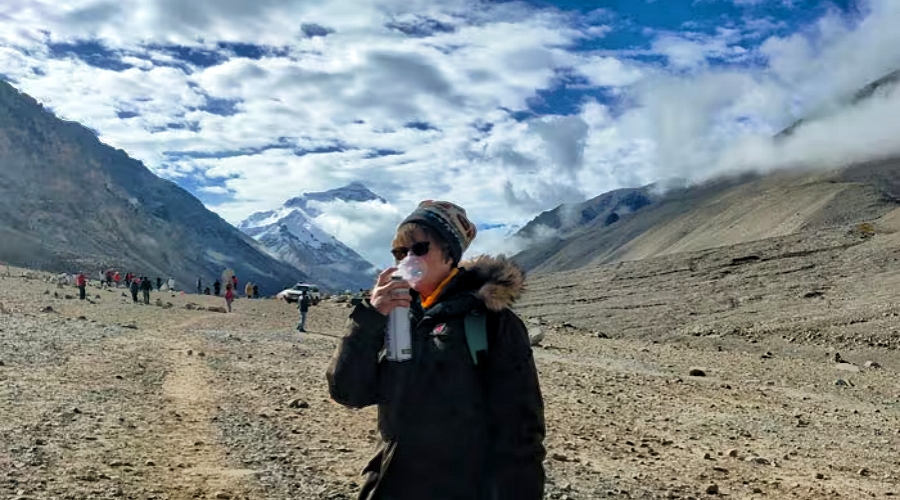
Altitude sickness is common in Tibet
To reduce the risk of altitude problems:
- Spend your first couple of days taking it easy in Lhasa to let your body adjust.
- Avoid strenuous activity immediately after arrival.
- Drink plenty of water and get extra rest.
- Avoid alcohol completely during the first few days.
- Consult a doctor before your trip if you have existing health conditions.
Note for fasting travelers: Long days of sightseeing, cold weather, and lower oxygen levels can accelerate fatigue, so pace your schedule carefully. Families traveling with children or elderly relatives should opt for a slower itinerary with fewer overnight changes.
Halal Food and Dining Tips
Food planning is one of the most critical parts of a Tibet trip. Unlike northwest China, Tibet has limited halal dining options.
While you can find a few halal restaurants in major tourist hubs like Lhasa—typically serving beef noodle soups and Chinese Muslim dishes—options become scarce once you venture outside major cities.
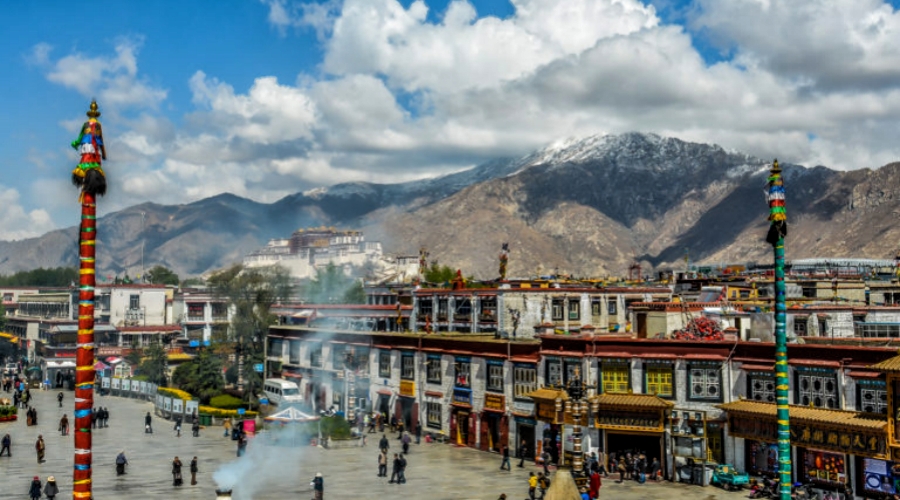
The Potala Palace viewed from the roof of Jokhang Temple in Lhasa
To make dining easier:
- Inform your travel organizer about your dietary requirements well in advance.
- Ask them to help arrange halal meals along your route.
- Pack your own snacks or packaged foods for remote drives.
- Save a few simple Chinese phrases on your phone explaining that you eat halal.
Traditional Tibetan food relies heavily on local staples like yak meat, dairy, barley, and vegetables. Always check ingredients carefully when trying local dishes. Booking a private tour with planned meals is often the most practical way to handle dietary needs in remote areas.
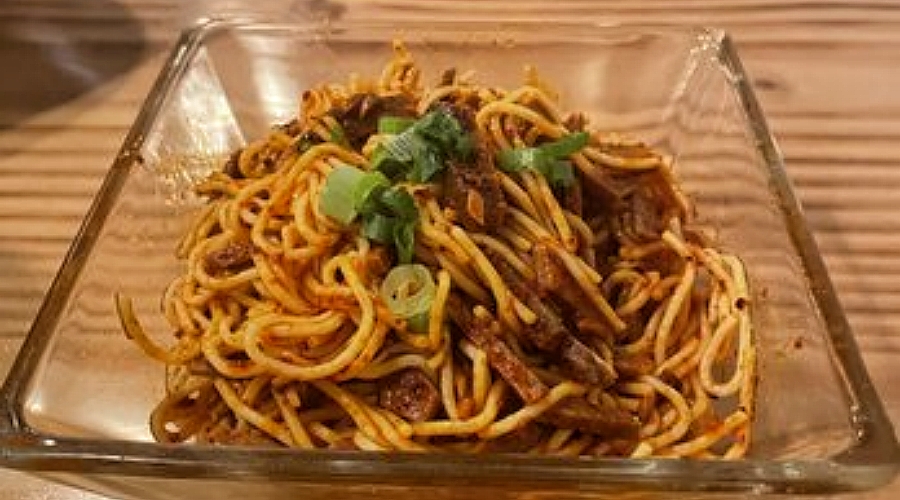
Halal Tibetan-Style Noodles
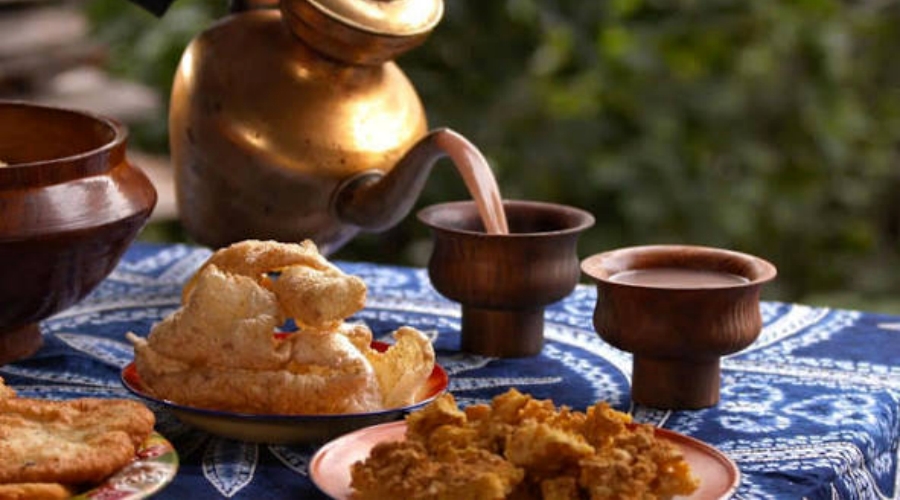
Tibetan Tea & Local Snacks
Safety and Practical Tips
Tibet is generally considered a safe destination for international visitors. The main challenges are usually related to altitude, weather conditions, transportation, and cultural differences rather than personal safety.
Muslim travelers can enjoy Tibet comfortably by following general travel advice:
- Keep important documents secure
- Follow local travel regulations
- Respect religious sites and local customs
- Stay informed about weather and road conditions
Safety Tips for Female Muslim Travelers
Tibet is suitable for female travelers, including those traveling alone or in small groups. Many visitors find local people friendly and respectful.
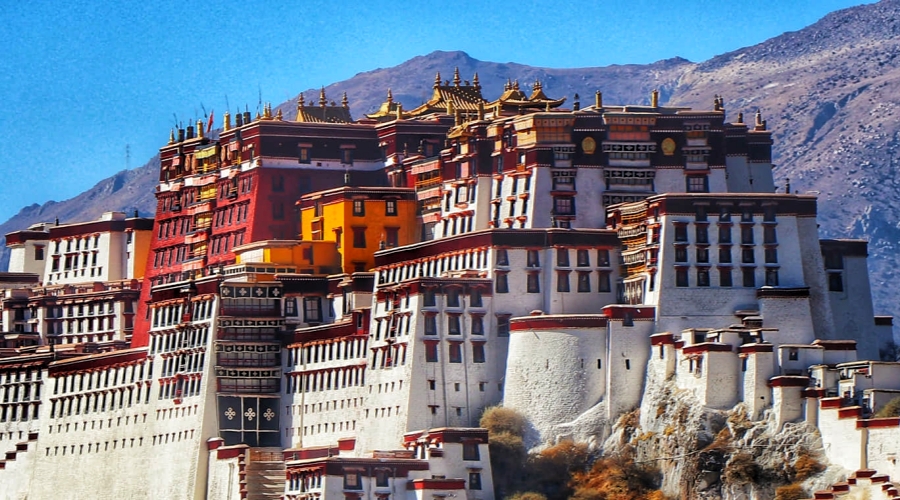
Historic Ensemble of the Potala Palace, Lhasa
Female Muslim travelers may consider:
- Wearing comfortable clothing suitable for outdoor activities and weather conditions
- Preparing suitable clothing for visiting monasteries and cultural sites
- Avoiding isolated areas alone at night
- Choosing reliable transportation and accommodation
Women traveling alone should arrange their Tibet permit, transportation, and accommodation in advance, as independent travel options are limited.
Traveling Alone in Tibet
Independent travel in Tibet is more complicated than in most destinations because foreign travelers need permits and organized transportation. Solo travelers can visit Tibet, but joining a private tour or small group is often more convenient.
A planned itinerary helps solve practical issues such as:
- Transportation between remote attractions
- Finding suitable meals
- Managing altitude changes
- Communicating with local service providers
Planning a Muslim-Friendly Itinerary
A well-balanced Tibet itinerary gives you time to adjust to the altitude while taking in the region's cultural and natural highlights. A classic 6 to 8-day route for first-time visitors usually covers:
Lhasa: The cultural heart of Tibet. Spend a few days here acclimatizing while visiting landmarks like the Potala Palace, Jokhang Temple, and bustling Barkhor Street.
Yamdrok Lake: A breathtaking sacred lake featuring vivid turquoise waters ringed by snow-capped peaks.
Shigatse: Tibet’s second-largest city, home to the sprawling Tashilhunpo Monastery.
Everest Base Camp: For travelers who handle the altitude well, this offers an unforgettable view of the world's highest peak.
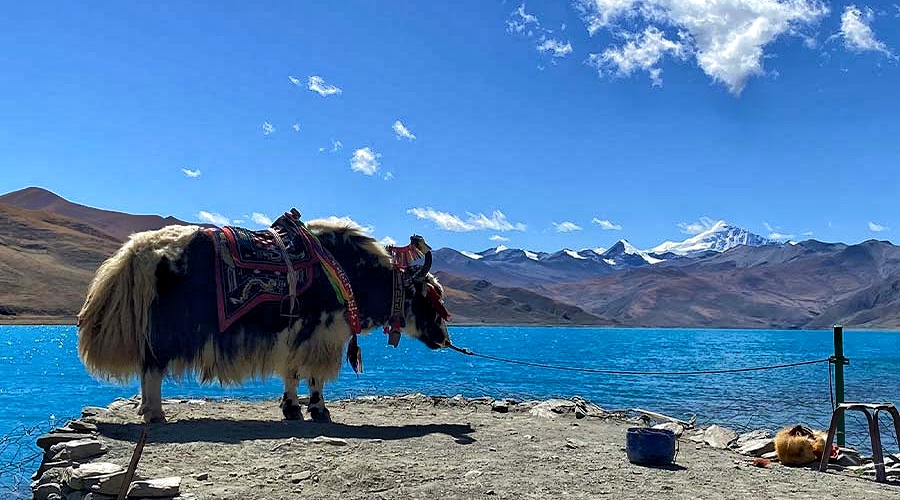
Yamdrok Lake
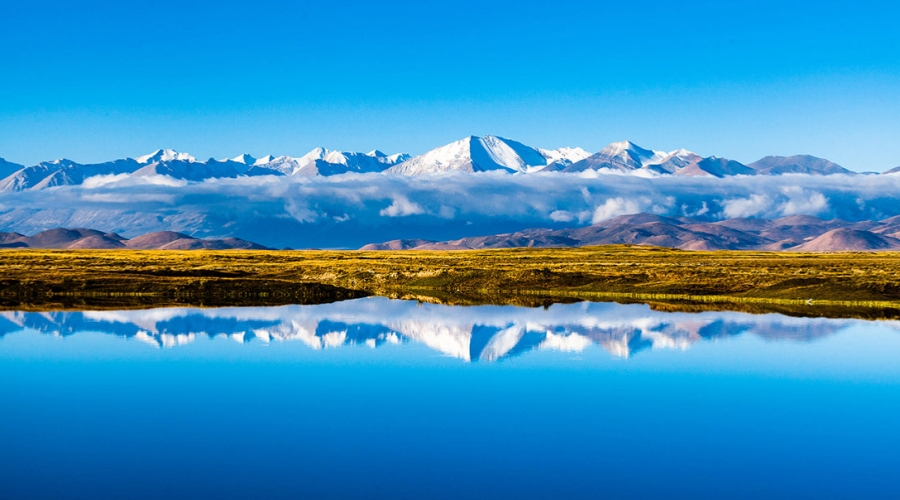
Shigatse
Visiting Tibet requires more logistical prep than a standard city vacation, but a bit of advance planning goes a long way. By securing your permits early, pacing yourself against the altitude, and locking in your meal plans, you can enjoy an extraordinary journey through one of the most unique landscapes on Earth.