Potala Palace
A UNESCO World Heritage Site and a major historic landmark in Lhasa.

TIBETAN PLATEAU, CULTURE & LANDSCAPES
Tibet is known for its high-altitude landscapes, historic monasteries, and distinctive Tibetan culture. From Lhasa's historic architecture to highland lakes, valleys, and Himalayan scenery, the region offers a journey shaped by geography, heritage, and local traditions.
The Tibet Autonomous Region is known for its high-altitude landscapes, Tibetan Buddhist heritage, and long-established local traditions. Lhasa, highland lakes, mountain routes, villages, and monasteries form the main visitor experiences. Travel requires advance planning because of the altitude, long driving distances, seasonal conditions, and permit requirements.
A UNESCO World Heritage Site and a major historic landmark in Lhasa.
High-altitude mountains, lakes, valleys, and routes extending towards the Himalayas.
Local customs, traditional,communities festivals, architecture, and handicrafts.
Historic monasteries, Buddhist art, architecture, and long-established religious traditions.
Wholesale B2B rates for Tibet most popular tourist attractions
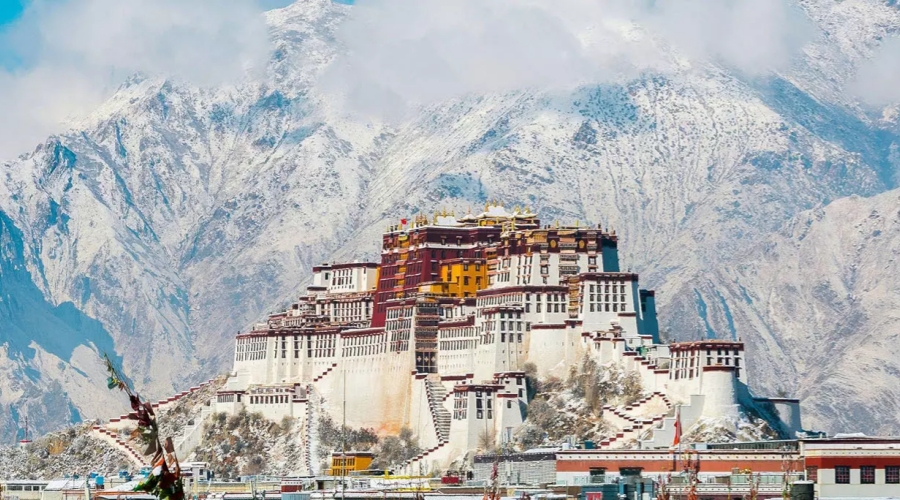
Explore Tibet’s most iconic landmarks, ancient architecture. and cultural treasures.
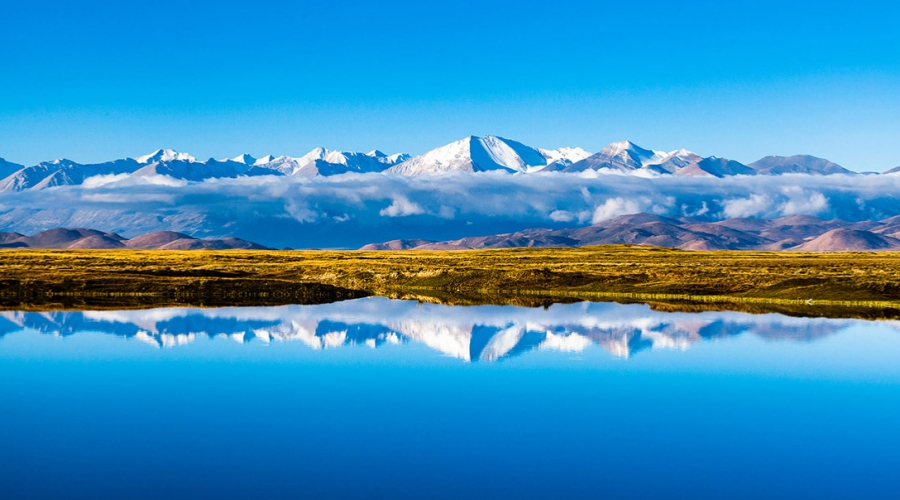
Explore Tibet’s ancient kingdoms, historic monasteries and authentic plateau life.
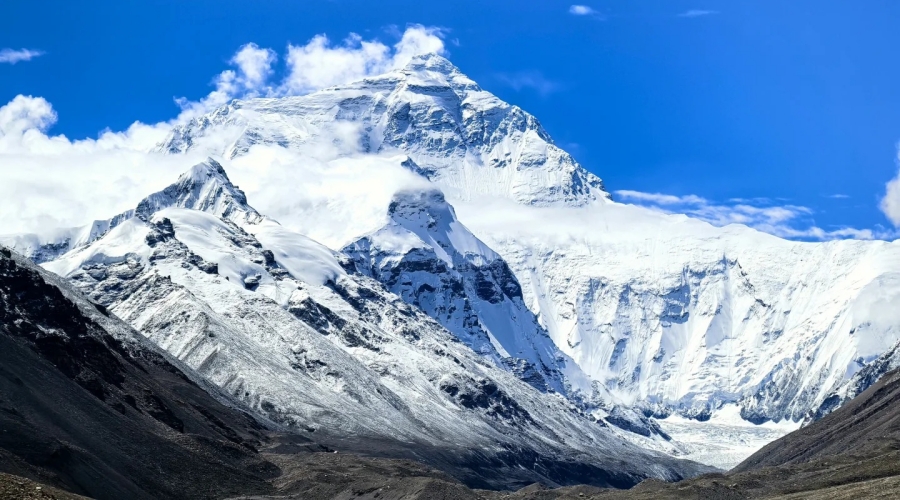
Explore Tibet's natural wonders, Everest Base Camp, alpine lakes, and glacier scenery in comfort.
Tibet has a plateau climate with strong sunshine, low humidity, and large temperature differences between day and night. The best travel period depends on altitude, weather conditions, and the type of experience travelers prefer.
Climate Overview:
Summer: 12–25°C (June–Aug)| Winter: -10–10°C (Nov–Mar)| Rainfall: Mainly concentrated from June to September| Best travel periods: April–June and September–October for comfortable weather and sightseeing conditions
Stay updated with the latest travel trends and destination insights
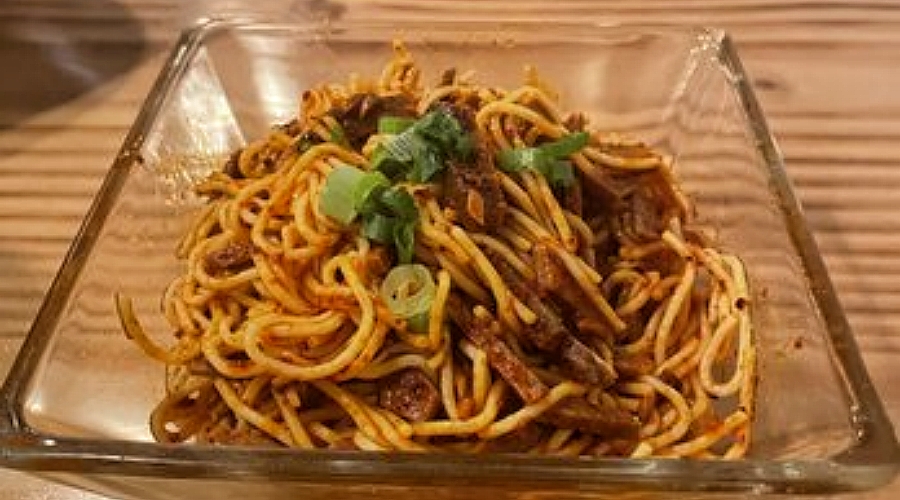
A simple local-style meal often prepared with beef, vegetables, and handmade noodles.
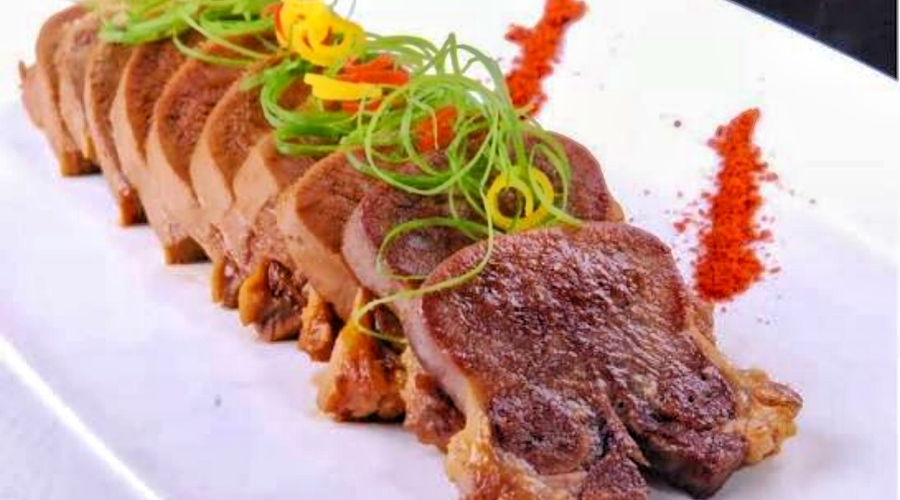
Beef dishes are commonly available in Muslim restaurants and provide familiar dining choices for Muslim travelers.
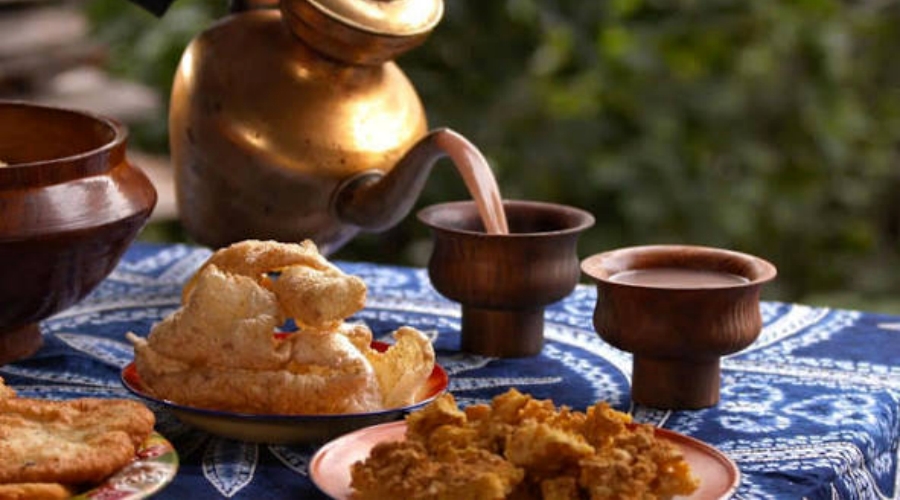
Travelers can experience Tibetan tea culture and traditional plateau snacks while choosing suitable halal meal arrangements.
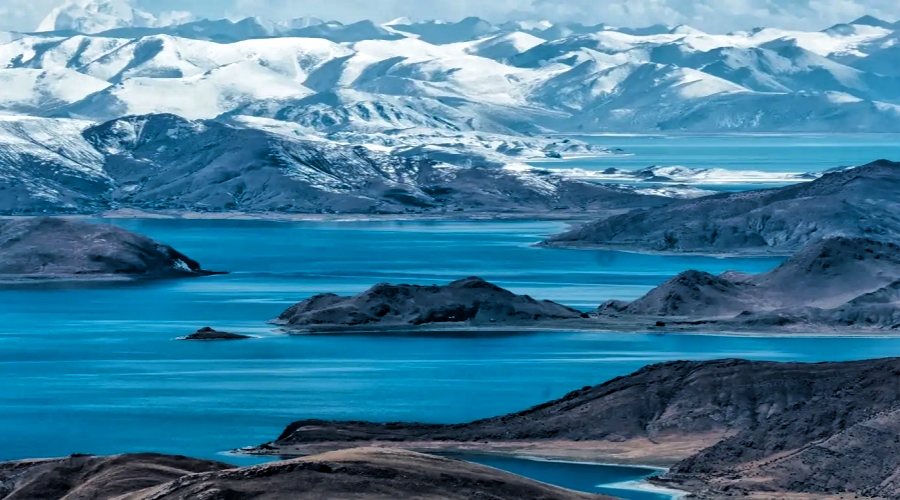
Local insights for building customized Tibet tour programs
Yes, Tibet can be arranged as a Muslim-friendly destination with advance planning. Although Tibet does not have as many halal facilities as cities such as Xi’an or Xinjiang, Muslim travelers can enjoy a comfortable journey with proper arrangements. Tour operators can organize halal meals, suitable hotels, private transportation, and customized itineraries based on travelers’ needs.
Yes, but Tibet itineraries should be designed at a slower pace because of the high altitude. Senior travelers should allow extra time for acclimatization, avoid overly busy schedules during the first days, and choose comfortable hotels with proper facilities. A well-planned itinerary focusing on Lhasa and nearby attractions is usually more suitable than long-distance plateau routes.
Yes. Foreign travelers need a valid China visa and a Tibet Travel Permit before entering Tibet. Additional permits may be required for certain areas, including Mount Everest Base Camp and border regions. These permits must be arranged through an authorized local travel agency before arrival.
For first-time visitors, a 8–10 day itinerary is recommended. This allows travelers to spend several days in Lhasa before moving to higher-altitude areas. A balanced route usually combines cultural sightseeing in Lhasa with natural landscapes such as Yamdrok Lake, Tibetan villages, and Himalayan mountain views.
Tibet is located on the world’s highest plateau, with an average elevation of more than 4,000 meters above sea level. Lhasa is around 3,650 meters, while attractions such as Everest Base Camp are much higher. Travelers should prepare for lower oxygen levels and allow time for their bodies to adjust.
Due to its location on the Tibetan Plateau, most travelers connect Tibet with other destinations by flight, while selected routes can also be experienced by China’s long-distance railway network.
It's about 3,700 KM apart. The quickest way to travel Beijing is by flight, taking around 4–5 hours. Travelers can also choose the famous Lhasa–Beijing railway route, which takes approximately 40–45 hours.
Lhasa and Kunming are about 1,900 KM apart. The most practical connection is by flight, which takes around 3–4 hours depending on the route. There is currently no direct high-speed railway between them.
It's about 1,700 KM apart. The fastest transportation option is by flight, taking around 2.5–3 hours. Travelers can also take the Lhasa–Xi’an railway route, which takes approximately 30–35 hours.
It's about 1,500 KM apart. The most convenient way is by flight, which takes around 2–2.5 hours. There is also a railway connection between Lhasa and Chengdu, with the journey taking approximately 35–40 hours
It's about 1,600 KM apart. There is no direct high-speed railway connection between the two destinations, so most travelers choose flights with a connection, taking around 5–7 hours in total.
It's about 4,300 KM apart. The fastest connection is by flight, taking around 5–6 hours. Travelers can also choose the Lhasa–Shanghai railway route, which takes approximately 45–50 hours.
We value your privacy
We use cookies to improve your experience and analytics. You can accept all cookies, reject non-essential cookies, or manage your preferences anytime from the footer.
Privacy & data preferences
Manage how we use cookies and your location. You can change these choices at any time from the site footer.
Cookies
Essential cookies keep the site working. Analytics cookies help us understand how visitors use our website.
Location data
When you use our halal restaurant finder, we may request your device location to show nearby restaurants. Location is used only for search and is not stored on our servers.