

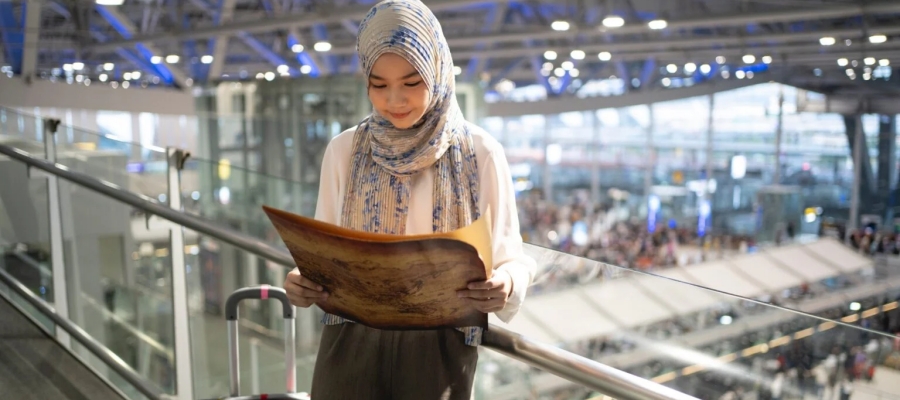
China is generally a safe and welcoming destination for Muslim women travelers, whether visiting alone, with friends, or with family. Most major cities offer reliable public transport, modern tourism facilities, and a comfortable environment for international visitors.
From the historic streets of Xi'an and Beijing to the modern skyline of Shanghai, Muslim women visit China each year to experience its history, culture, and cuisine. With basic preparation and an understanding of local customs, travel can be smooth and enjoyable.
This guide covers key essentials for Muslim women traveling to China, including safety, halal food, transportation, and practical travel tips.
Why China Is a Good Destination for Muslim Women
China welcomes millions of domestic and international travelers every year. Safety is an important consideration for any destination, particularly for women traveling independently.
Several factors contribute to a comfortable travel experience for many Muslim women:
Modern Transportation Networks
China's transportation system is among the most extensive in the world.
Travelers can easily move between cities using:
- High-speed rail
- Domestic flights
- Metro systems
- Ride-hailing services
Popular tourist destinations such as Beijing, Shanghai, Xi'an, Chengdu, and Guangzhou are well connected, making independent travel relatively straightforward.
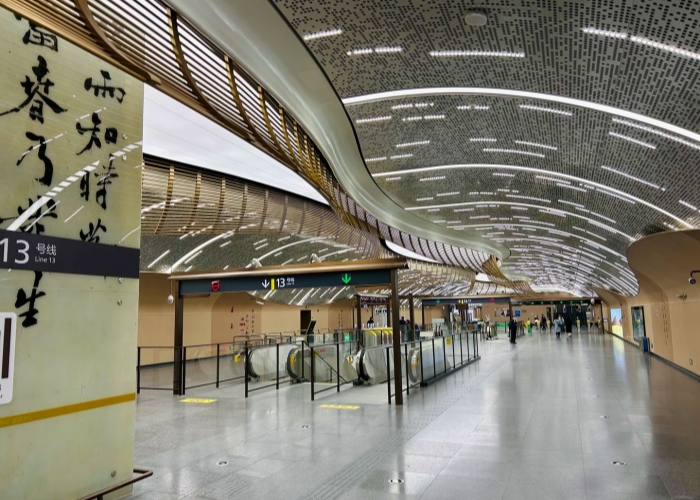
Chengdu Metro Line 13
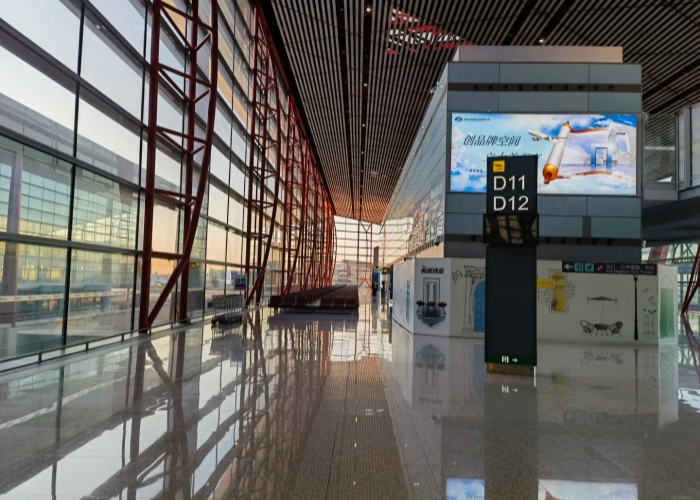
Spacious corridor with red steel frames and floor-to-ceiling glass at Beijing Capital International Airport
Well-Developed Tourist Infrastructure
Major destinations offer:
- International hotels
- Multilingual signage
- Mobile payment options
- Organized tours
- Convenient transportation
These services help reduce many of the challenges first-time visitors may encounter.
A Diverse Cultural Environment
China is a culturally diverse country, offering travelers a rich mix of traditions, cuisines, architecture, and local customs. It is also home to several Muslim ethnic groups, including the Hui, Uyghur, Kazakh, Dongxiang, Salar, and Bao'an communities, whose heritage has shaped local cultures for centuries.
Many cities and regions feature well-established Muslim communities that have been part of local society for generations. Visitors can discover this heritage through:
- Historic mosques
- Traditional Muslim neighborhoods
- Authentic halal cuisine
- Islamic cultural sites and museums
- Cultural and historical landmarks
From ancient Silk Road trading centers to vibrant Muslim quarters in modern cities, this rich Islamic and multicultural heritage allows travelers to explore different traditions and gain a deeper appreciation of China's cultural diversity throughout their journey.
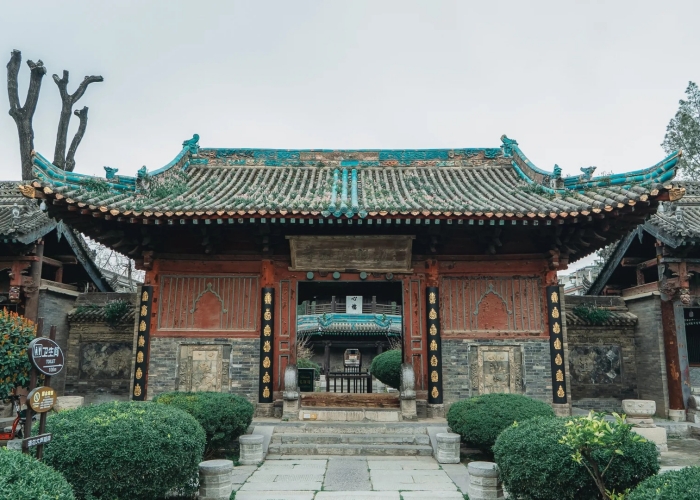
Xi'an Huajuexiang Great Mosque
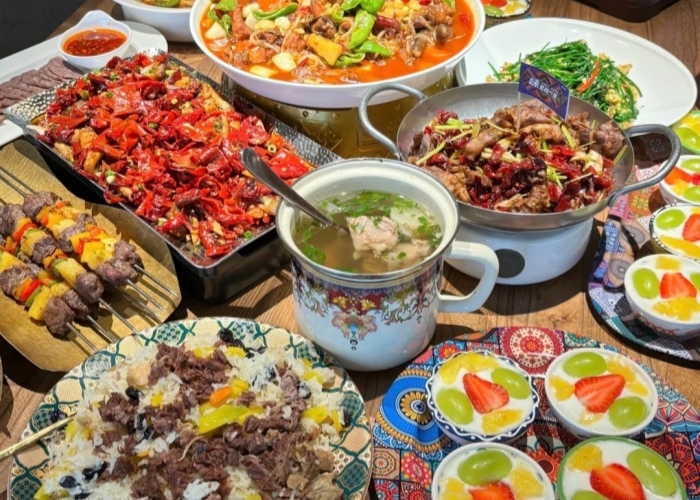
Xinjiang Halal Cuisine
Can Muslim Women Wear Hijab in China?
Yes, Muslim women can wear hijab in China.
In some areas, people may notice it simply because it is less common than in predominantly Muslim countries. However, hijab-wearing Muslim women are commonly seen in many Chinese cities, especially in places with long-established Muslim communities such as Xi'an, Beijing, Xining, Lanzhou, Yinchuan, and Kashgar.
In major tourist destinations, visitors from diverse cultural backgrounds are common. While occasional curiosity may lead to friendly questions or conversations, most Muslim women find that wearing a hijab does not significantly affect their travel experience.
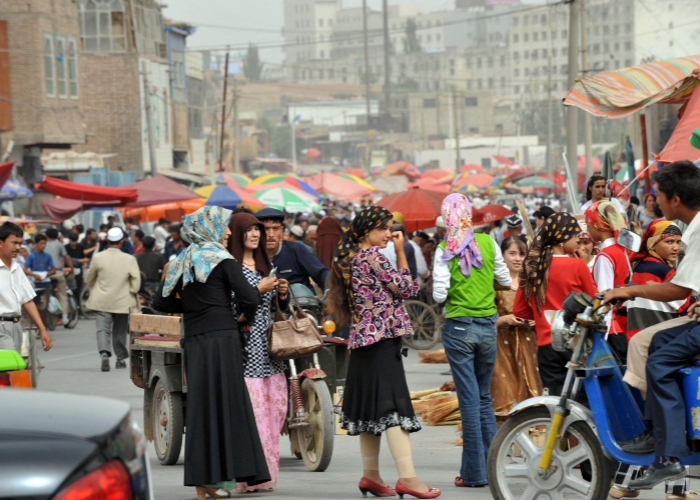
Hijab-wearing Muslim women are a familiar sight in many Chinese cities and Muslim communities
As with any destination, the most important consideration is dressing comfortably and appropriately for the local climate and activities planned during your trip.
Top Muslim-Friendly Destinations in China
From ancient Silk Road cities to vibrant modern metropolises, China offers many destinations that are both welcoming and rewarding for Muslim women travelers.
Xi'an: History, Culture, and Halal Food
As the starting point of the ancient Silk Road, Xi'an is one of China's most popular destinations for Muslim travelers.
Highlights include:
- The Great Mosque of Xi'an
- The Muslim Quarter
- Traditional halal cuisine
- Ancient city walls
- Tang Dynasty heritage sites
The city combines rich history with one of China's best-known halal food scenes.
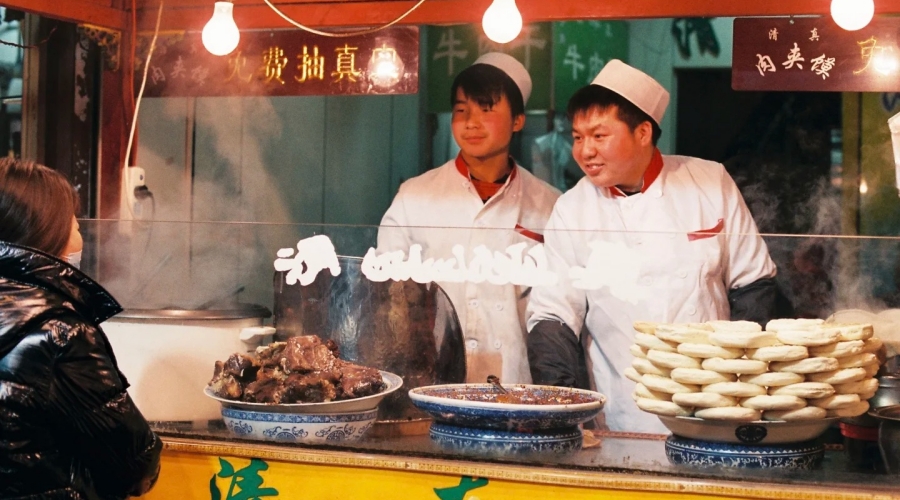
Xi'an's Muslim Quarter is famous for its diverse range of halal foods and local specialties
Beijing: Historic Neighborhoods and Modern Convenience
China's capital offers a balance of historical landmarks and modern convenience.
Visitors can explore:
- The Forbidden City
- The Temple of Heaven
- The Summer Palace
- Niujie Mosque
- Niujie Halal Food District
The Niujie district is home to one of Beijing's oldest Muslim communities and offers a variety of halal restaurants and cultural landmarks. At the same time, the city's extensive metro network makes it easy to explore attractions.
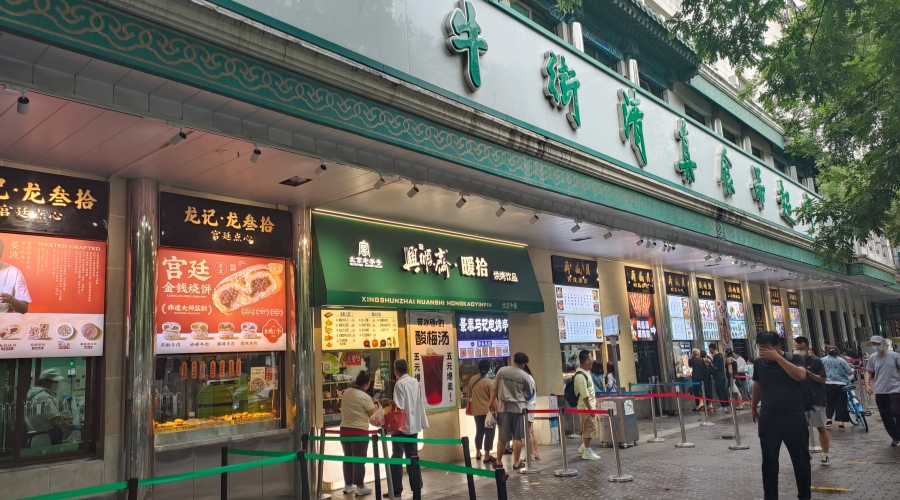
Beijing Niujie Halal Food Street
Shanghai: International and Easy to Navigate
As one of China's most international cities, Shanghai attracts visitors from around the world.
The city offers:
- International hotels
- Diverse dining options
- Efficient transportation
- Historic neighborhoods
The city's global atmosphere often makes it a comfortable starting point for first-time visitors to China.
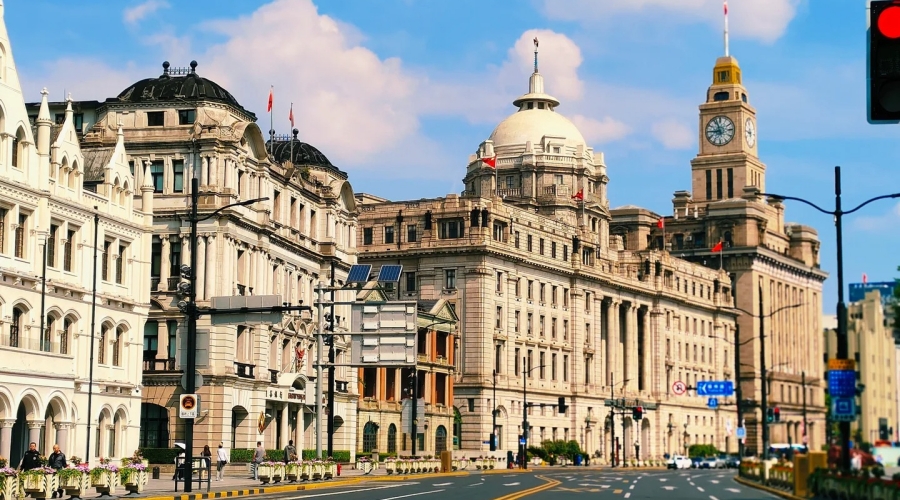
The Bund's historic architecture reflects Shanghai's openness and international character
Northwest China: Cultural Heritage Along the Silk Road
This region is home to some of China's most significant Muslim cultural landmarks and offers visitors a deeper understanding of the country's diverse ethnic and religious traditions. Travelers can explore historic mosques, bustling traditional markets, ancient trade routes, and distinctive local architecture that showcase the lasting influence of the Silk Road.
- Lanzhou is known for its rich culinary traditions and riverside scenery along the Yellow River
- Xining serves as an important cultural crossroads where different ethnic communities have lived side by side for generations.
- Yinchuan, often referred to as a gateway to China's Muslim heritage, features historic sites, Islamic cultural attractions, and a growing tourism infrastructure.
- Kashgar captivates visitors with its old city, vibrant bazaars, traditional crafts, and unique blend of Central Asian and Chinese influences.
For Muslim women seeking authentic cultural experiences, Northwest China offers abundant halal dining options, historic places of worship, and opportunities to engage with local communities while discovering one of the most fascinating regions along the ancient Silk Road.
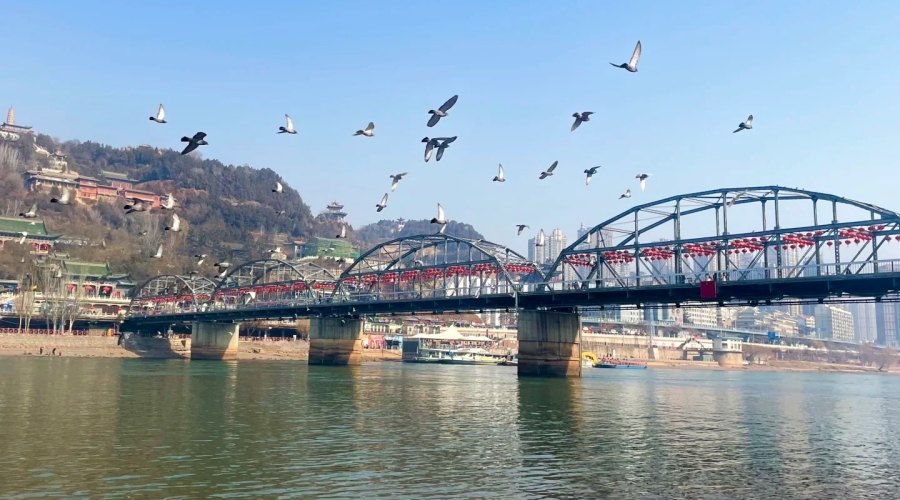
Lanzhou Zhongshan Bridge
Finding Halal Food in China
Food is often one of the biggest concerns for Muslim travelers.
Fortunately, halal food is widely available in many Chinese cities, especially those with long-established Muslim communities.
Look for the Chinese characters: 清真 (Qingzhen)
This sign indicates that food is prepared according to halal standards.
Some of the easiest cities for finding halal food include:
- Xi'an
- Beijing
- Lanzhou
- Xining
- Yinchuan
- Kashgar
- Urumqi
Major cities such as Shanghai, Guangzhou, Chengdu, and Chongqing also offer growing numbers of halal restaurants.
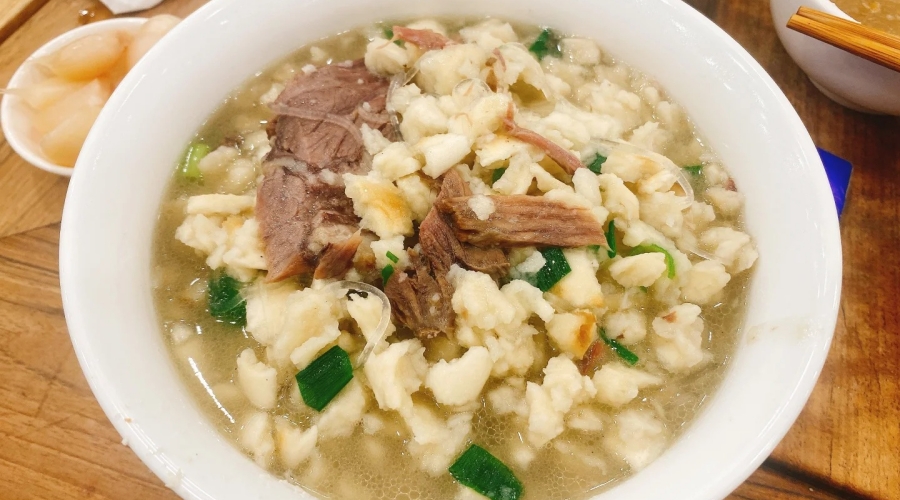
Xi'an Beef (Lamb) Paomo
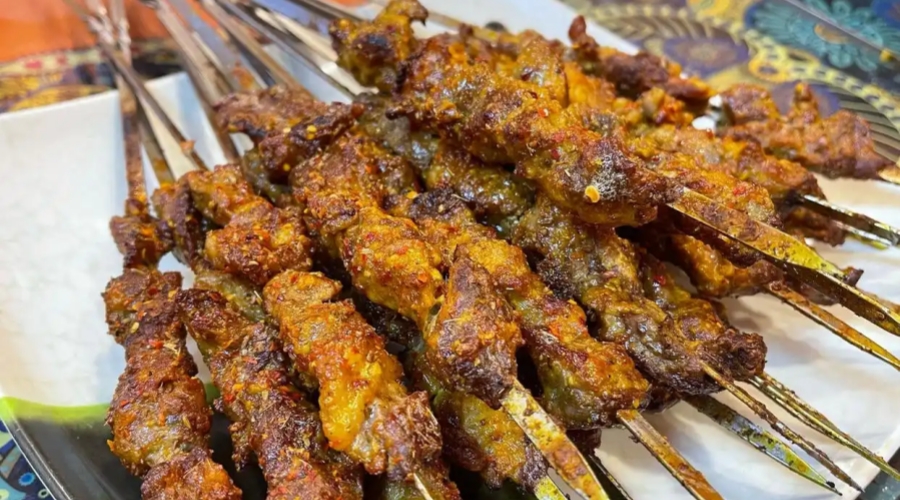
Xinjiang Lamb Skewers
Choosing Accommodation in China
Choosing accommodation is key to a comfortable and secure trip in China, especially for Muslim women travelers. China offers a wide range of safe, well-regulated hotels, including international brands in major cities.
Most hotels in China, particularly those in city centers and popular tourist districts, operate under strict licensing and safety standards. International chains like Marriott, Hilton, IHG, and Accor provide consistent service and reliable hospitality across major destinations.
For Muslim women, centrally located hotels are usually the best option, as they offer:
- Easy access to public transportation
- Shorter travel times to attractions and landmarks
- Better security and lighting in surrounding areas
- Convenient access to halal restaurants and Muslim-friendly dining
Hotel safety is generally reliable, with ID registration at check-in, monitored public areas, and 24/7 front desk services in most larger hotels.
Staying near commercial districts or Muslim neighborhoods in cities like Xi'an, Beijing (Niujie), Lanzhou, or Yinchuan can also make it easier to access mosques, halal food, and cultural sites.
What Many Muslim Women Appreciate About Traveling in China
Many Muslim women travelers appreciate China for its overall sense of safety, cultural diversity, and travel convenience, making it a comfortable destination to explore.
In major cities, women often travel independently using public transport, visit attractions freely, and move around urban areas with ease, which supports a flexible and self-directed travel experience.
Other commonly valued aspects include:
- Generally safe and well-organized public spaces in major cities
- Increasing availability of halal food across both historic and modern destinations
- Rich Islamic heritage in regions such as Xi'an, Ningxia, Gansu, and Xinjiang
- Efficient transport systems, including high-speed rail and metro networks
- Widely used digital tools that simplify navigation, booking, and daily travel
For many visitors, one of the most rewarding aspects of traveling in China is the opportunity to experience a rich blend of history, culture, and modern life while exploring destinations that are both diverse and distinctive.
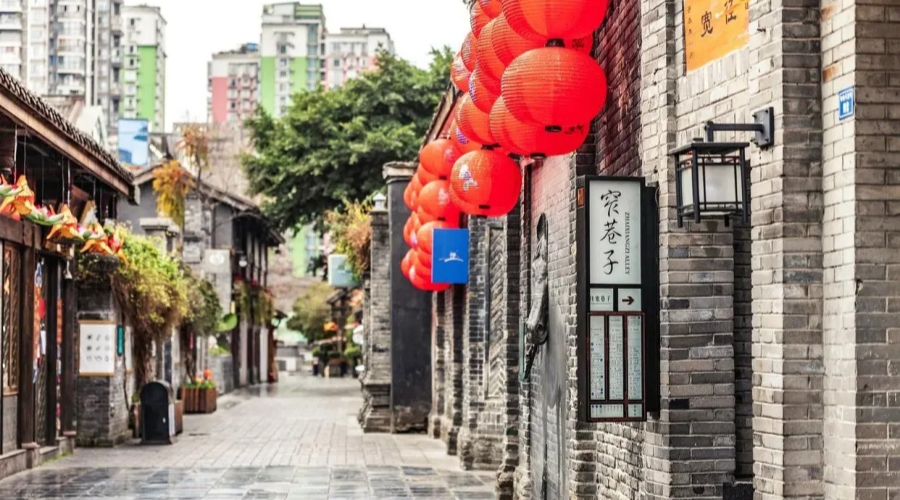
Bafang Shisanxiang in Linxia offers a glimpse into the heritage and daily life of China's Hui Muslim community
Tips for Solo Female Muslim Travelers in China
Traveling independently in China is increasingly common, and many destinations are well suited to solo travelers.
Stay in Central Locations
Choosing accommodation near city centers or major attractions can reduce travel time and improve convenience.
Plan Halal Dining in Advance
Researching nearby halal restaurants before arrival can help avoid uncertainty, especially in smaller cities.
Download Useful Travel Apps
Navigation, translation, transportation, and payment apps can significantly simplify travel throughout China.
Use Reliable Transportation
China's metro systems, high-speed rail network, and established ride-hailing apps provide convenient transportation options throughout most major cities.
Keep Hotel Information Accessible
Saving your hotel name and address in Chinese can be helpful when using taxis or asking for directions.
Respect Local Customs at Cultural Sites
When visiting historic mosques and cultural landmarks:
- Dress modestly
- Follow local guidelines
- Ask before taking photos in restricted areas
- Be mindful of visitors and worshippers
China offers Muslim women a unique blend of history, culture, and modern convenience. From the halal food and historic mosques of Xi'an to the vibrant city life of Shanghai and Beijing, travelers can enjoy a wide range of experiences across the country.
With some basic planning—such as locating halal dining options, choosing suitable accommodation, and understanding local customs—many Muslim women find China both accessible and rewarding. Whether traveling solo, with family, or in a group, visitors can explore with confidence while discovering the rich cultural diversity that makes China such a fascinating destination.