

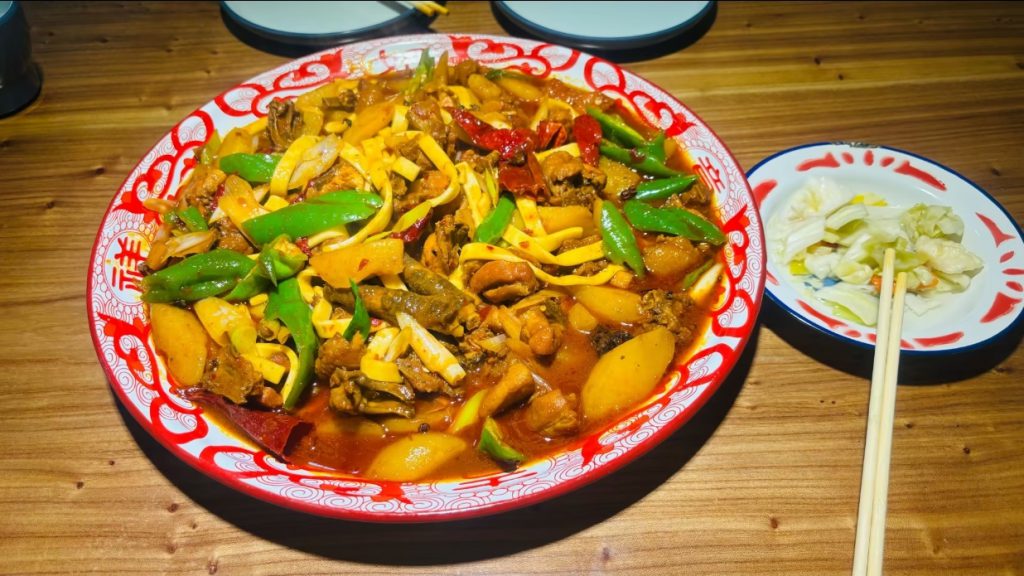
China may not be the first destination that comes to mind when people think about halal dining, but the reality is quite different. With a Muslim population of more than 20 million people and several officially recognized Muslim ethnic groups, China has developed a large and well-established halal food ecosystem.
For Muslim travelers, one of the most common questions:
Whether halal food is easy to find during a trip
The answer depends largely on where you travel. In some regions, halal food is available on nearly every street, while in others, finding a suitable meal requires more planning.
Overall, halal food is widely available across China, especially in Muslim-populated regions and major cities. However, accessibility varies significantly according to geography, city size, and local demographics.
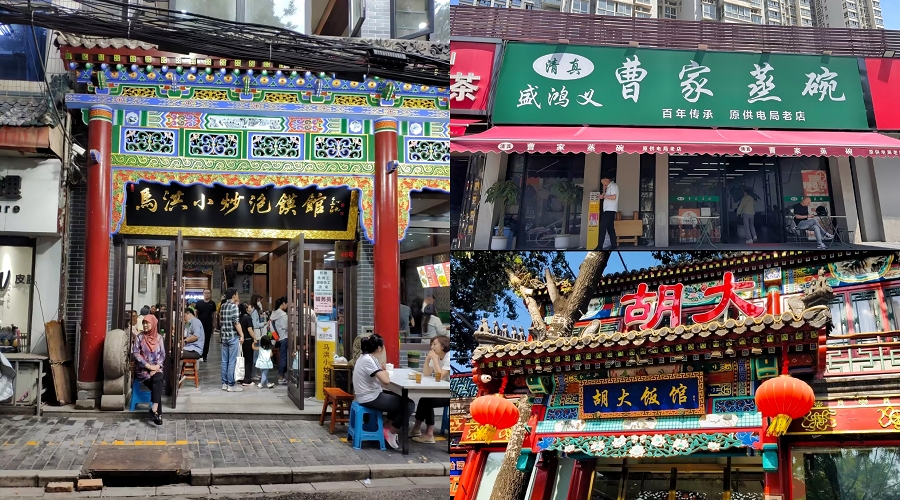
Traditional Muslim Restaurants in China
Why Is Halal Food Widely Available in China?
China is home to several Muslim ethnic communities, including the Hui, Uyghur, Kazakh, Dongxiang, Salar, and Tajik peoples. These communities have maintained halal dietary traditions for centuries, creating a mature halal food culture throughout the country.
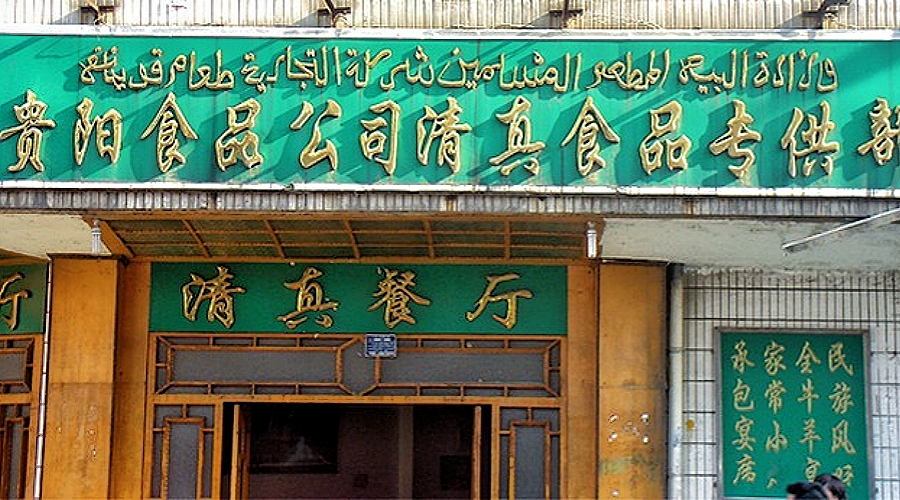
In Chinese, halal food is commonly referred to as "Qingzhen" (清真), a term that appears on restaurant signs, food packaging, and supermarket products. Muslim residents rely on these establishments daily, which means halal food is not only available for tourists but also supported by a large domestic market.
As a result, Muslim visitors can find halal food in every province of China, although the variety and convenience differ from region to region.

Traditional Muslim Restaurants in China
Halal Food Availability in Northwest ChinaThe Easiest Region for Muslim TravelersNorthwest China offers the highest concentration of halal food in the country. Provinces and regions such as Xinjiang, Ningxia, Gansu, Qinghai, and parts of Shaanxi have large Muslim populations and deeply rooted Islamic traditions. Many local restaurants in these areas are halal by default. In some neighborhoods, nearly every restaurant serves halal food. Popular halal food hubs include:
In these destinations, Muslim travelers can easily find halal food at:
For many visitors, Northwest China provides one of the most convenient halal travel experiences in Asia. Halal Food in Major CitiesRelatively Easy to FindChina's major cities, such as Beijing, Guangzhou, and Shanghai, offer extensive halal food options, although they are usually concentrated in specific neighborhoods. Examples include:
These districts contain numerous halal restaurants, bakeries, butcher shops, and grocery stores serving local Muslim communities. One major advantage for Muslim travelers is the widespread presence of halal restaurant chains. Almost every Chinese city has:
Large international cities also offer:
This diversity allows Muslim visitors to enjoy both Chinese halal food and international halal cuisine. However, outside Muslim neighborhoods, most restaurants in downtown commercial areas are not halal. Travelers may need to search specifically for halal food rather than expecting it to be available nearby. Halal Food in Small and Medium-Sized CitiesModerate AccessibilityIn smaller inland cities, halal food remains available but is generally less diverse. Most cities have at least several halal establishments located near:
Common options include:
While Muslim travelers can usually find halal food without major difficulty, choices may be limited. High-end halal restaurants, halal bakeries, and specialty Muslim food stores are less common than in larger cities.
Halal Food in Remote Rural AreasMore Difficult to FindThe greatest challenge for Muslim travelers arises in remote mountain regions, small villages, and non-Muslim rural counties. Many local restaurants focus on regional cuisine, which often includes pork or pork-derived ingredients. Certified halal restaurants may be rare or completely absent. Potential difficulties include:
Travelers visiting remote areas of western mountains, rural villages, or isolated scenic regions should consider carrying backup halal food supplies. Portable options include:
| 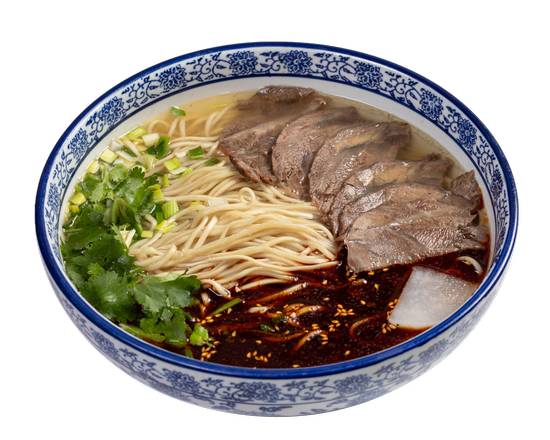 Lanzhou beef noodles 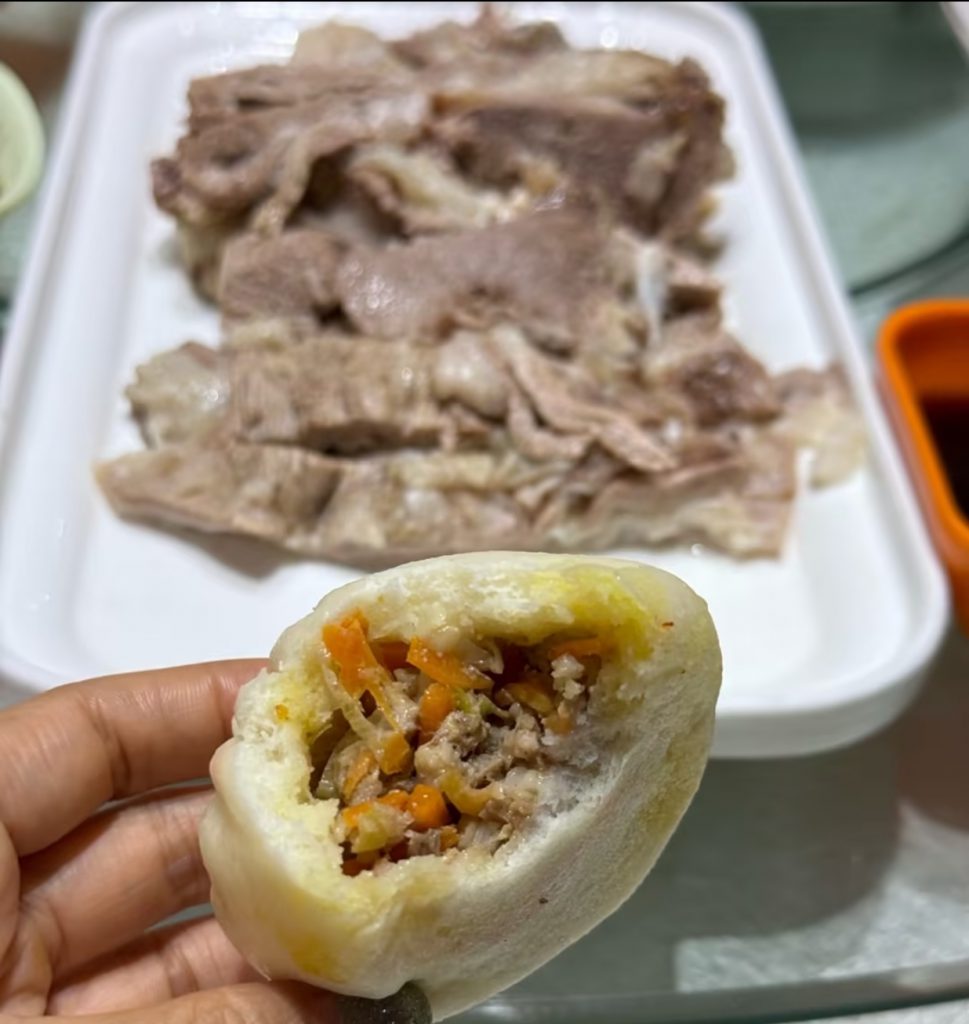 Ningxia-style carrot and lamb stuffed buns and hand-pulled lamb
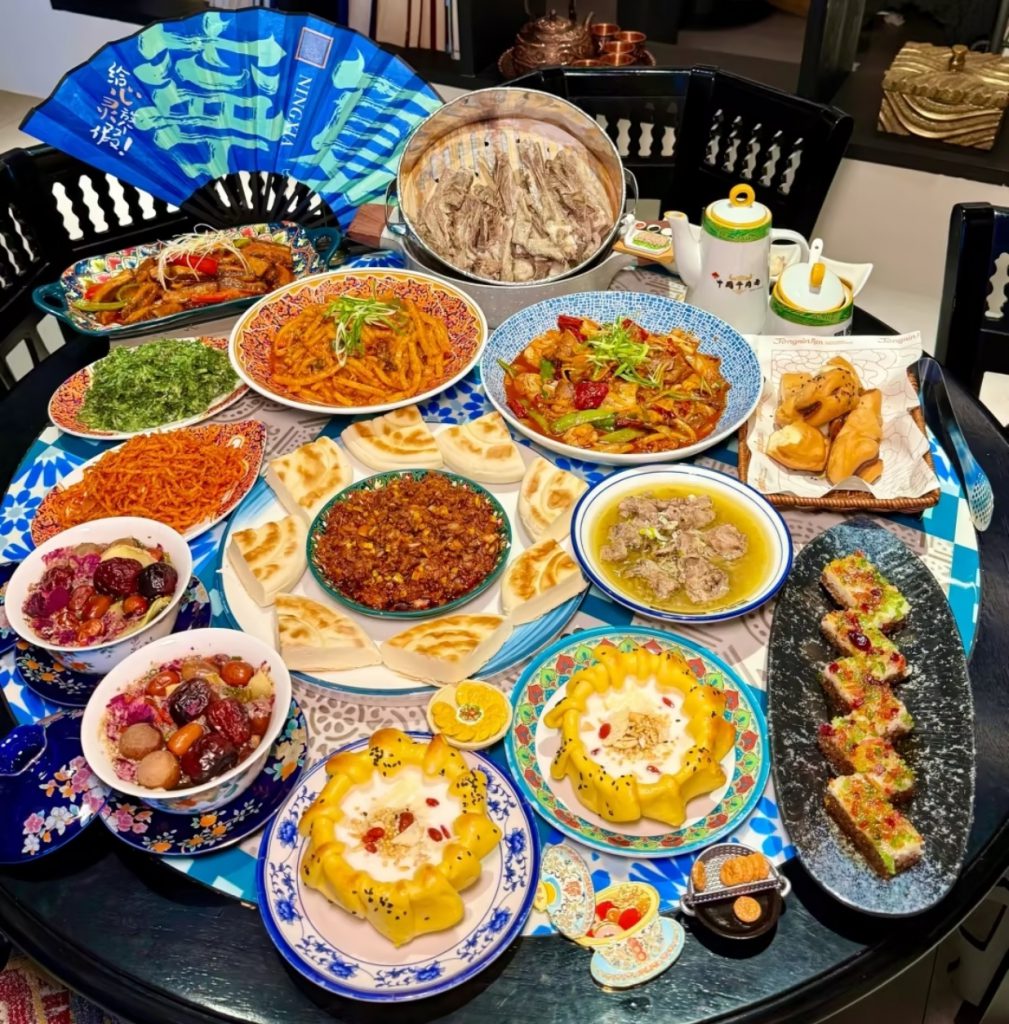
Northwest China Halal Specialty Cuisine
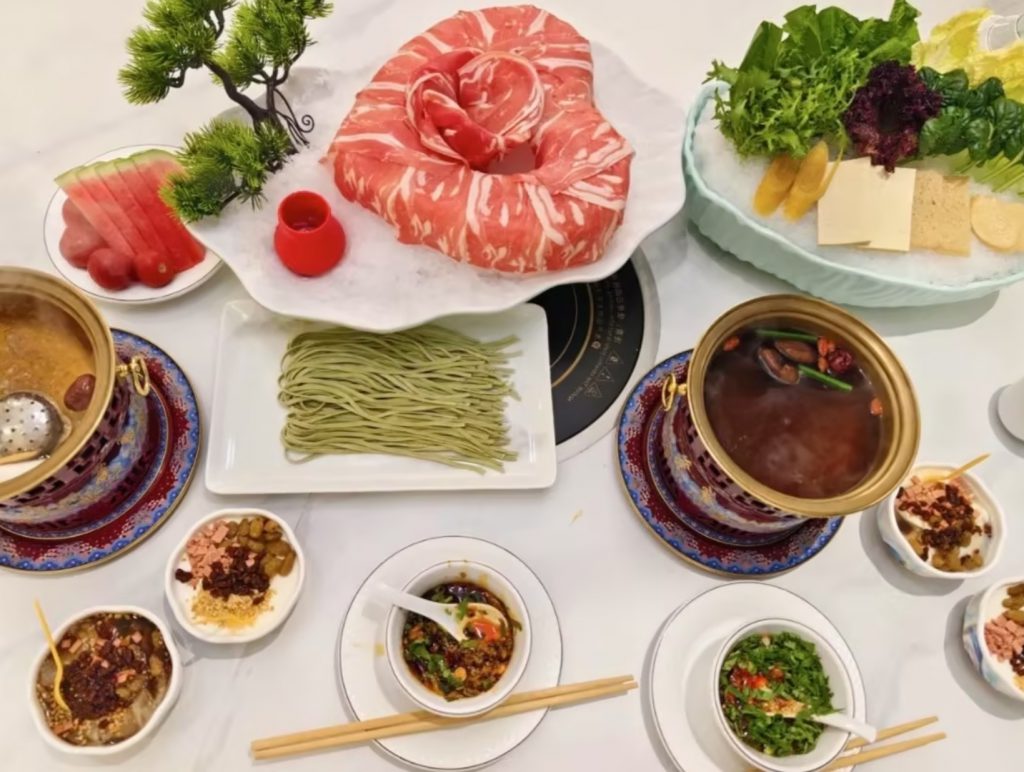
Halal Hotpot in Beijing
Ningxia-Style Hand-Eaten Lamb
An Qingzhen restaurants in Guiyang, China
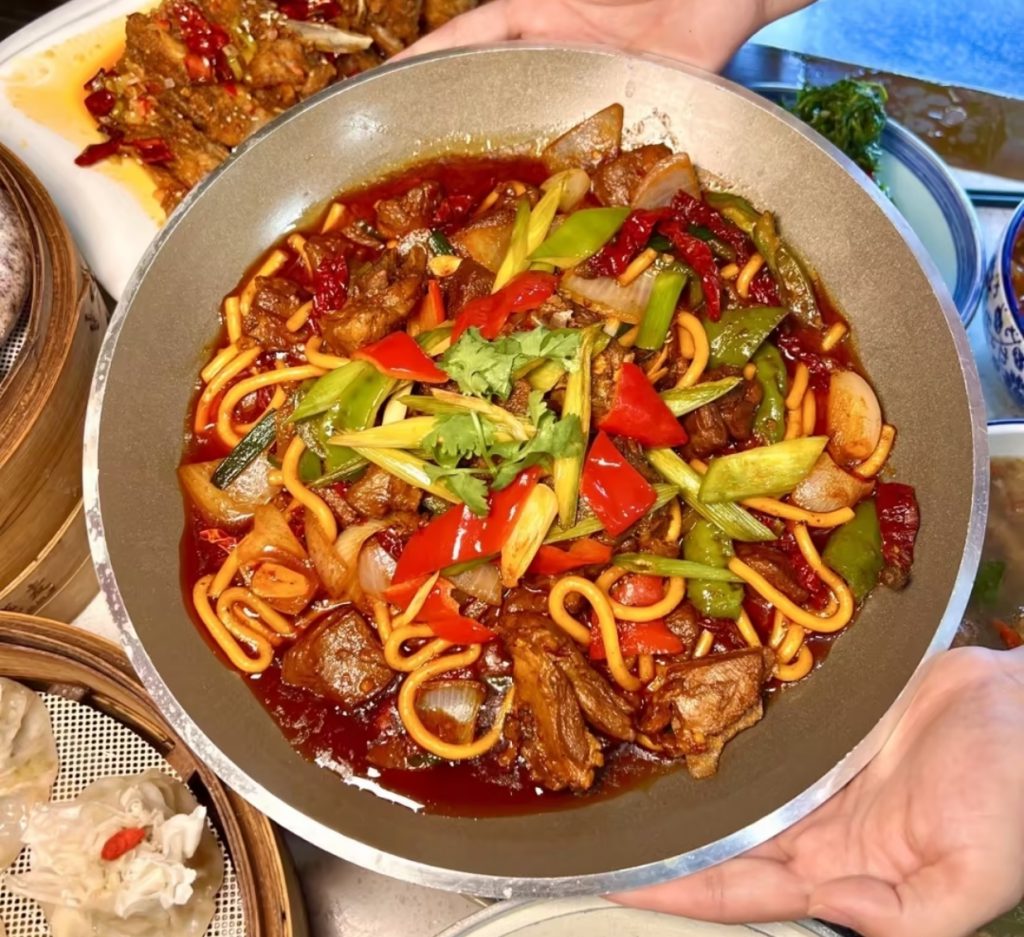
Xinjiang Big Plate Chicken with noodles |

How to Identify Halal Food in China
Look for the Qingzhen Sign
The easiest way to identify halal food is by looking for the Chinese characters:
清真 (Qingzhen)

In China, restaurants that display the characters '清真' indicate that they serve Muslim (Halal) food."
Many restaurants also display:
- Arabic "حلال"
- English "Halal"
- Islamic symbols
- Mosque-style logos
Restaurants serving halal food typically emphasize:
- No pork ingredients
- No alcohol
- Separate preparation standards
Recognizing the Qingzhen sign can greatly simplify dining decisions for Muslim travelers.
Common Types of Halal Food Found Across China
Several halal food categories are available nationwide.
Lanzhou Hand-Pulled Beef Noodles
Perhaps the most widespread halal food in China, these restaurants can be found in nearly every city and county.

Lanzhou Hand-Pulled Beef Noodles
Xinjiang Uyghur Cuisine
Popular dishes include:
- Lamb skewers
- Big Plate Chicken
- Naan bread
- Pilaf rice
- Yogurt drinks
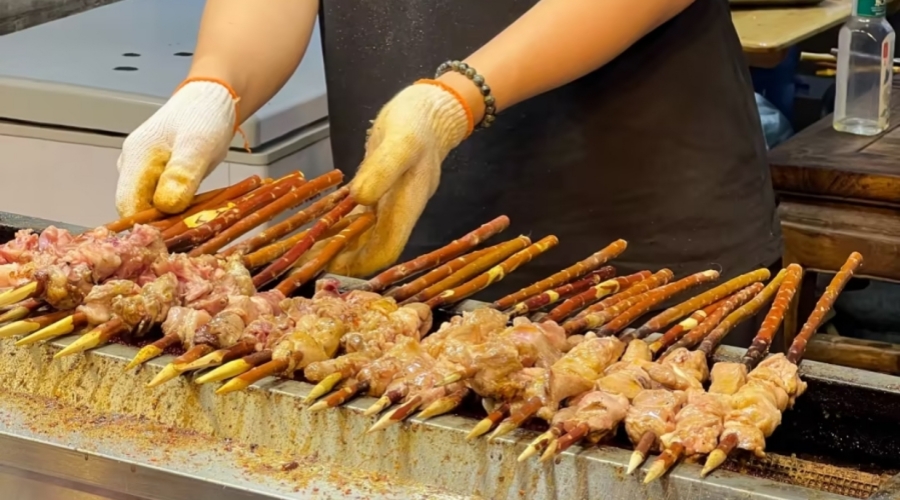
Xinjiang lamb skewers grilled over red willow branches
Hui Muslim Cuisine
Traditional Hui cooking features:
- Beef dishes
- Lamb dishes
- Hand-made noodles
- Steamed pastries
- Regional snacks
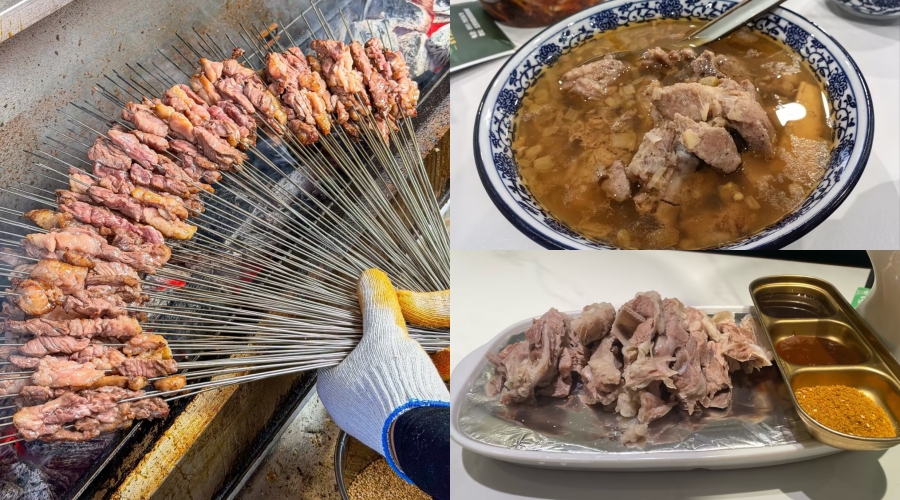
Lamb dishes
Halal Hotpot
Many major cities now offer dedicated halal hotpot restaurants using halal meat and separate preparation methods.
Transportation Facilities and Halal Food
Finding halal food while traveling is relatively easy in many parts of China.
Many facilities now provide halal dining options, including:
- Major airports
- High-speed railway stations
- Highway service areas
- University campuses
- Large shopping malls
Large supermarket chains also sell packaged halal products, making self-catering more convenient for Muslim visitors.
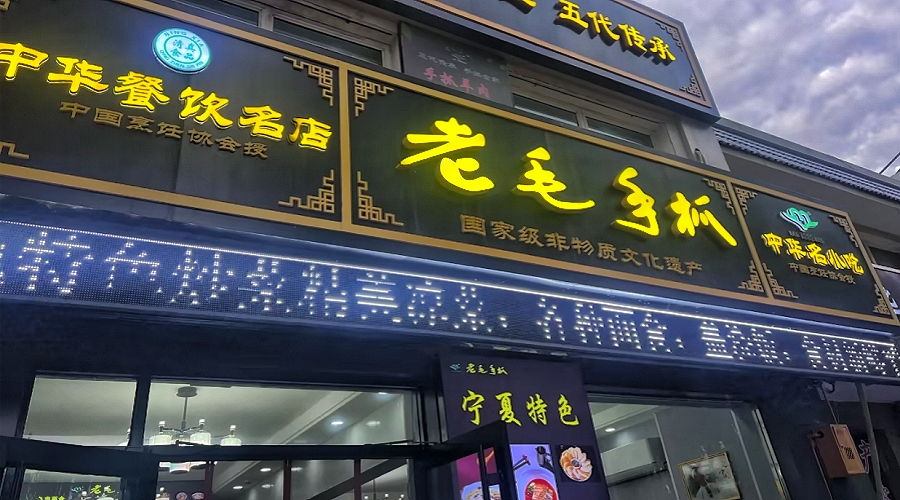
Halal Restaurant at Yinchuan Hedong Airport
Challenges Muslim Travelers Should Understand
Despite China's extensive halal food network, several challenges remain.
Uneven Regional Distribution
Northwest China has significantly more halal food options than southeastern provinces.
Certification Differences
Chinese halal standards may differ from certification systems used in some Muslim-majority countries.
Cross-Contamination Concerns
Some small restaurants may claim to serve halal food without maintaining completely separate cooking facilities.
Remote Travel Limitations
Scenic areas, countryside destinations, and small train stations may offer limited halal food choices.
Practical Tips for Muslim Travelers
To make dining easier during your trip:
- Search for halal food near your hotel before arrival.
- Look for the official Qingzhen (清真) sign.
- Use Chinese map apps to search for "清真餐厅" (halal restaurant).
- Stay near mosques or Muslim neighborhoods when possible.
- Carry emergency halal snacks for long-distance travel.
- Confirm ingredients if you have strict halal requirements.
- Research dining options before visiting rural destinations.
Halal food is highly accessible in Northwest China and readily available in major cities such as Beijing, Shanghai, Guangzhou, Shenzhen, Chengdu, and Kunming. Availability becomes more limited in smaller inland cities and remote rural areas, but halal food can still usually be found with basic planning.
Supported by China's long-established Muslim communities and extensive halal catering industry, halal food is available across all provinces of the country. By learning to recognize Qingzhen signs and researching dining options in advance, Muslim visitors can travel throughout China with confidence and enjoy a wide variety of halal food experiences.