

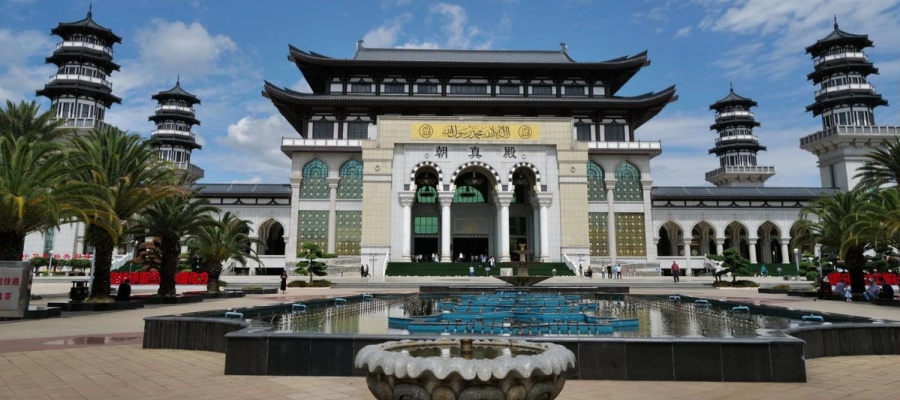
When Muslim travelers think of China, Xi'an and Beijing often come to mind for their historic mosques, Muslim communities, and halal cuisine. Yet these well-known destinations represent only part of China's rich Islamic heritage.
Across China, centuries of trade, migration, and cultural exchange have left behind fascinating Muslim communities, historic mosques, traditional neighborhoods, and distinctive local cuisines. From Silk Road trading hubs in the northwest to ancient maritime ports along the southeast coast, travelers can discover destinations that remain largely unknown to international visitors.
For those seeking a deeper understanding of China's cultural diversity, these hidden Muslim destinations offer rewarding experiences far beyond the typical tourist trail.
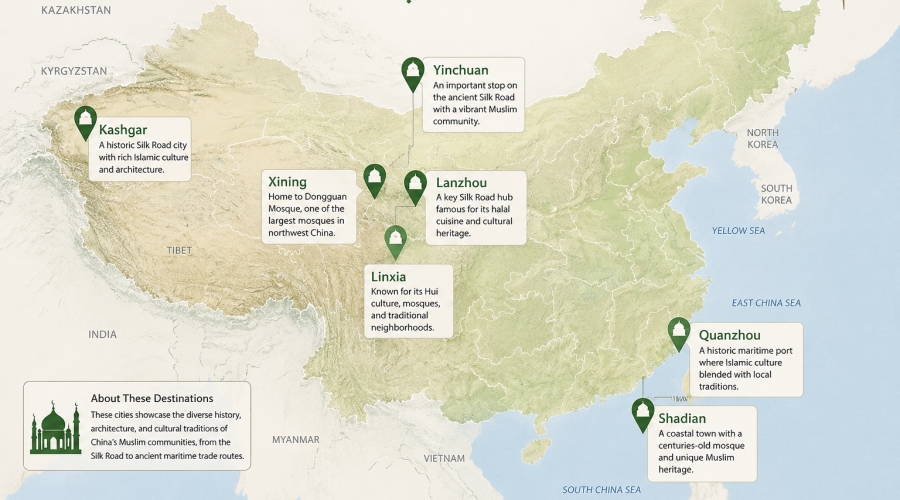
Explore some of China's hidden Muslim destinations, from Silk Road cities to historic coastal ports
Xining: Gateway to China's Muslim Northwest
Located on the northeastern edge of the Tibetan Plateau, Xining serves as the capital of Qinghai Province and one of the most important cultural crossroads in western China. For centuries, traders, pilgrims, and travelers passed through this region while moving between Central Asia, Tibet, and inland China.
Today, Xining remains one of the best places to experience the cultural diversity of Northwest China.
Best For: Cultural diversity, halal food lovers, and travelers exploring Northwest China.
Highlights of Xining
- Visit the historic Dongguan Mosque, one of Northwest China's most influential mosques.
- Experience the unique blend of Hui, Salar, Tibetan, and Han cultures.
- Enjoy easy access to authentic halal restaurants and local markets.
- Use Xining as a gateway to Qinghai's stunning natural landscapes.
- Dongguan Mosque and Historic Heritage
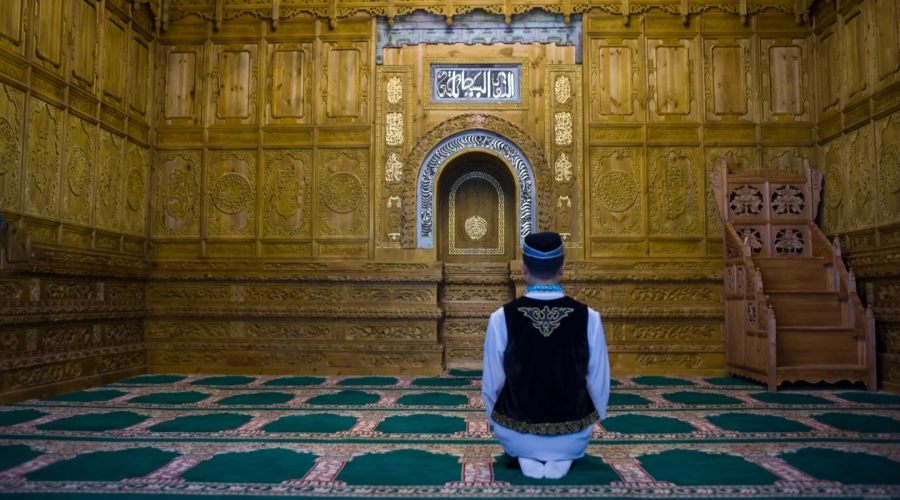
A Salar Muslim offers prayers in a traditional mosque in Qinghai
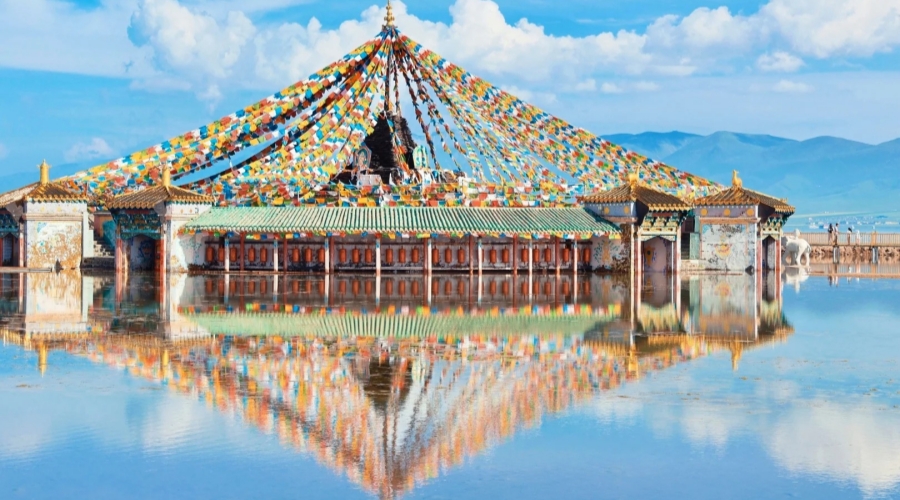
Colorful prayer flags reflect on the tranquil waters of Qinghai Lake near Xining
One of Xining's most important landmarks is Dongguan Mosque, a historic center of Islamic culture in Northwest China. Today, the mosque showcases traditional Chinese architectural features, including sweeping rooflines and courtyard-style layouts, reflecting the unique blend of Chinese and Islamic heritage that has developed over centuries.
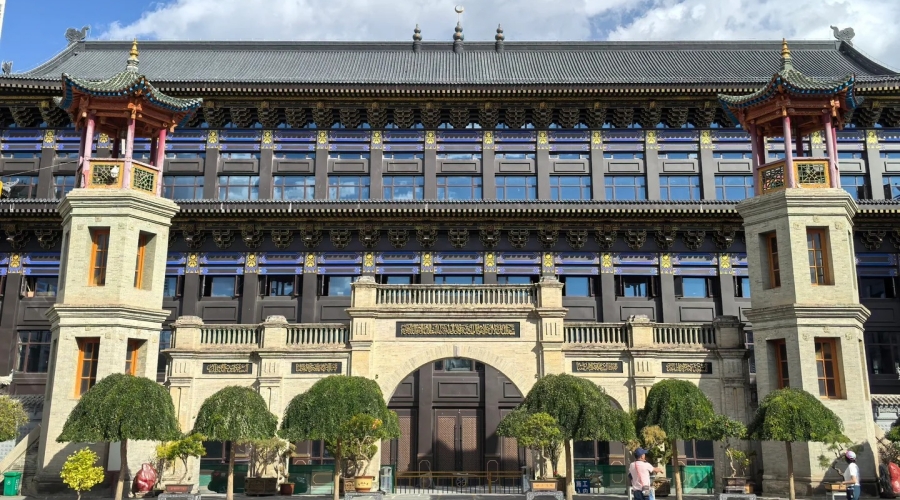
Dongguan Mosque in Xining showcases a unique blend of traditional Chinese architecture and Islamic heritage
The mosque continues to serve as a major place of worship and an important cultural symbol for Xining's Muslim community.
Halal Cuisine in Xining
Food is one of the highlights of visiting Xining. Popular dishes include:
- Hand-pulled noodles
- Lamb specialties
- Grilled skewers
- Traditional yogurt
- Silk Road-inspired breads
Compared with many eastern Chinese cities, halal food is exceptionally easy to find throughout Xining.
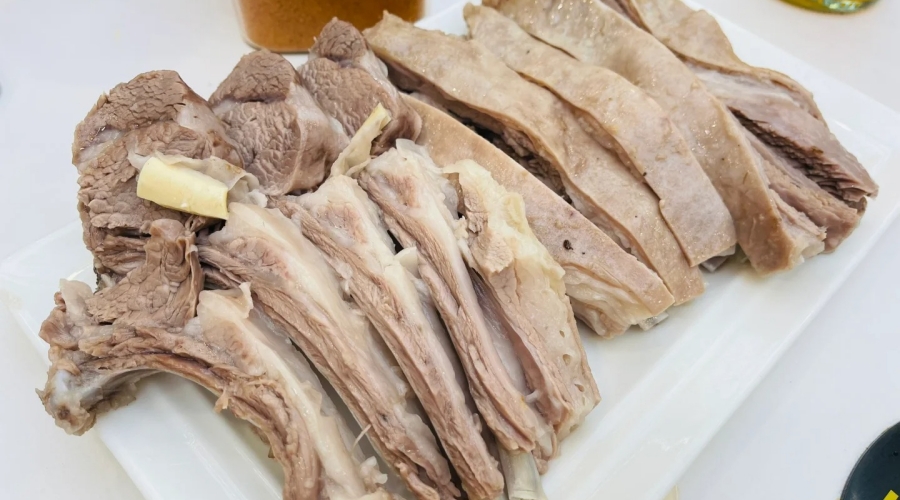
Hand-grabbed Lamb

Traditional yogurt
Lanzhou: A Silk Road City Along the Yellow River
Situated on the banks of the Yellow River, Lanzhou has been an important Silk Road city for centuries. Its strategic location made it a key stop for merchants traveling between Central Asia and China.
Today, Lanzhou combines historic heritage with modern urban life while preserving strong connections to its Muslim cultural traditions.
Best For: Silk Road history, food enthusiasts, and urban cultural exploration.
Highlights of Lanzhou
- Explore historic Muslim neighborhoods.
- Walk along the scenic Yellow River waterfront.
- Discover centuries of Silk Road heritage.
- Sample some of China's most famous halal noodle dishes.
- A City Shaped by Trade and Travel
Throughout history, traders carrying silk, spices, precious stones, and cultural ideas passed through Lanzhou. These exchanges helped shape the city's identity and contributed to the development of its diverse culinary and cultural landscape.
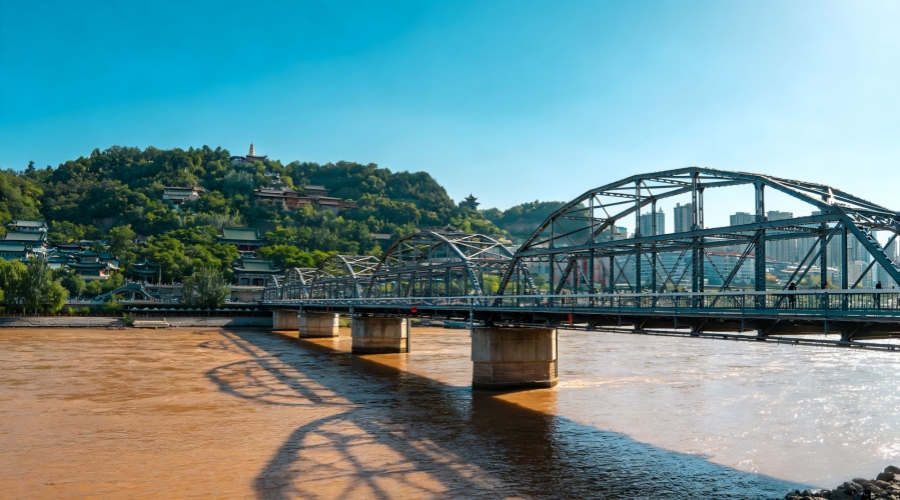
Zhongshan Bridge spans the Yellow River, one of Lanzhou's most iconic landmarks
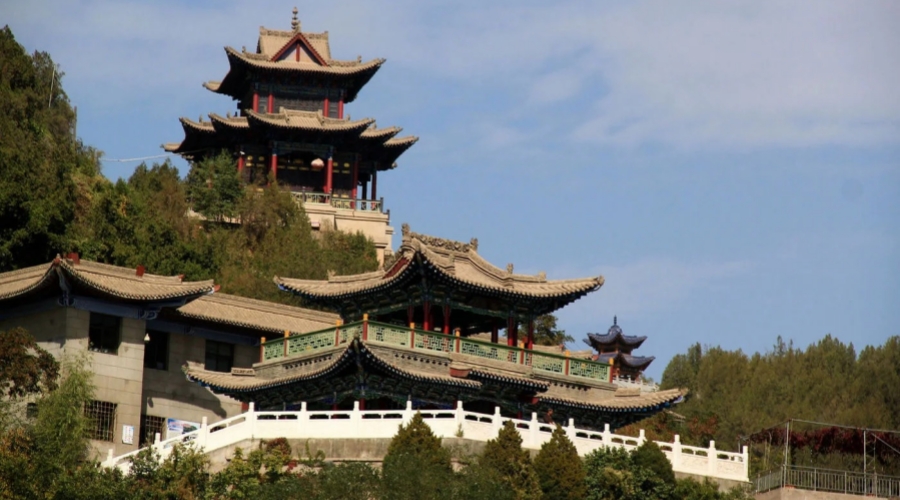
White Pagoda Mountain Park - Lanzhou
Beyond Lanzhou Beef Noodles
Although Lanzhou is internationally famous for its beef noodles, the city's halal food scene extends far beyond this iconic dish.
Must-try foods include:
- Lanzhou beef noodles
- Lamb skewers
- Traditional flatbreads
- Regional beef specialties
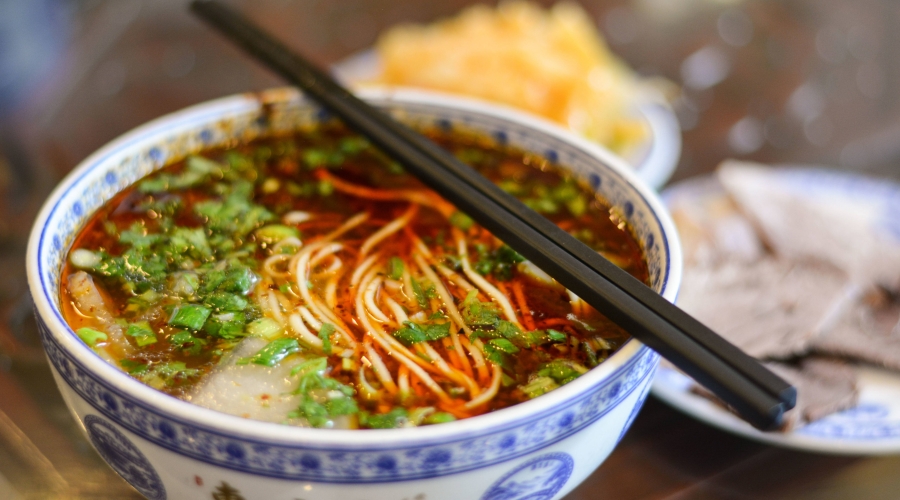
Lanzhou Hand-pulled Noodles
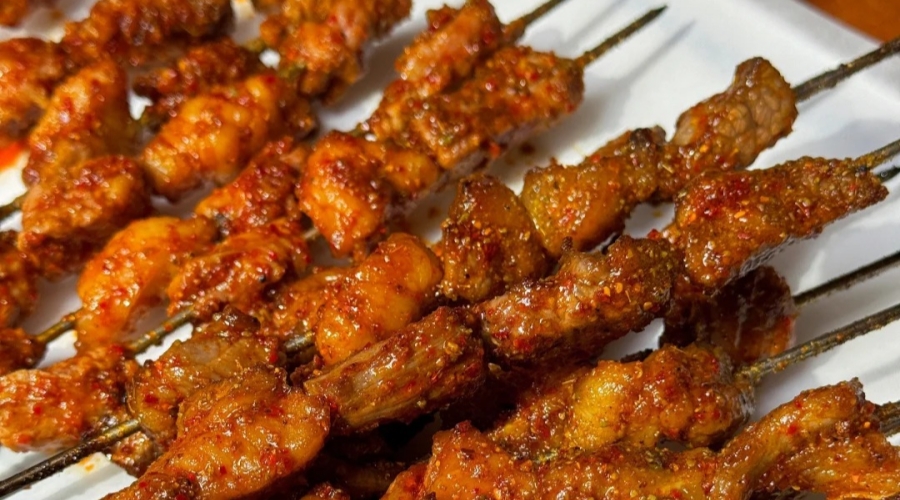
Lamb skewers
Yinchuan: The Cultural Heart of Ningxia
Often overlooked by international travelers, Yinchuan is one of China's most important centers of Hui culture. Located in Ningxia Hui Autonomous Region, the city offers a fascinating blend of history, architecture, and cultural heritage.
Best For: Learning about Hui culture, Islamic architecture, and desert landscapes.
Highlights of Yinchuan
- Discover Hui cultural heritage through museums and local communities.
- Explore architecture influenced by both Chinese and Islamic traditions.
- Visit the Helan Mountains and nearby desert scenery.
- Experience one of China's most underrated cultural destinations.
- Understanding Hui Culture
The Hui community has played a significant role in the development of Yinchuan and the surrounding region. Visitors interested in learning about Muslim culture in China will find numerous museums, cultural centers, and historical sites that showcase local traditions and customs.

Helan Mountain rises along Yinchuan's western edge, shaping the city's distinctive landscape
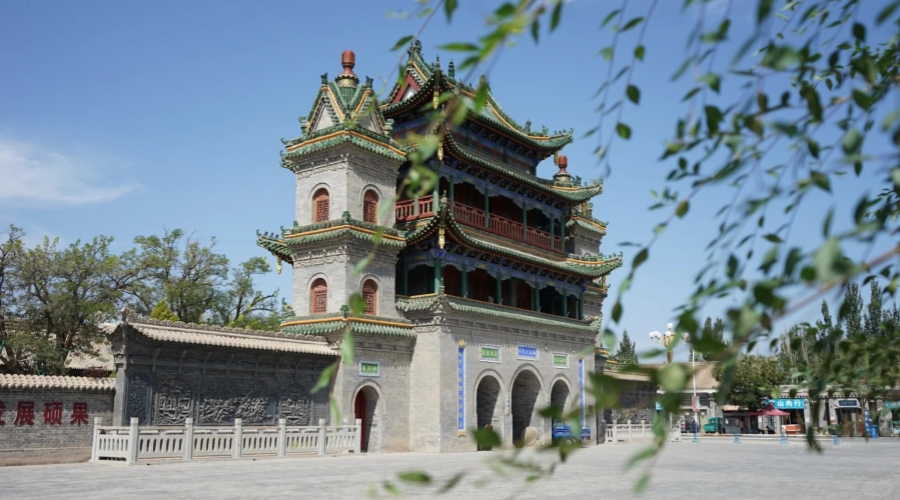
Najiahu Mosque stands at the heart of Ningxia's Hui Muslim community
Islamic Architecture and Cultural Landmarks
Yinchuan is known for several architectural landmarks that reflect both Chinese and Islamic influences. Unlike the ancient courtyard-style mosques found in Xi'an, some structures in Ningxia display architectural elements inspired by regions further west along the Silk Road.
Desert Landscapes and Historic Heritage
Beyond its cultural attractions, Yinchuan is surrounded by dramatic landscapes, including portions of the Helan Mountains and desert environments that provide a striking contrast to China's eastern cities.
The combination of cultural heritage and natural scenery makes Yinchuan one of the country's most underrated destinations.
Kashgar: A Living Silk Road Crossroads
Few places capture the spirit of the ancient Silk Road better than Kashgar.
Located in China's far northwest Xinjiang, near the borders of Central Asia, Kashgar has served as a meeting point for traders, travelers, and cultures for centuries.
Best For: Silk Road enthusiasts, traditional markets, and immersive cultural experiences.
Highlights of Kashgar
- Wander through the atmospheric Old Town.
- Visit the iconic Id Kah Mosque.
- Explore vibrant traditional bazaars.
- Experience one of the most distinctive cultural destinations in China.
The historic Old Town remains one of the city's most fascinating attractions. Narrow lanes, traditional homes, local workshops, and bustling streets provide visitors with an atmosphere unlike anywhere else in China.
Walking through the area offers a glimpse into a city shaped by centuries of commerce and cultural exchange.
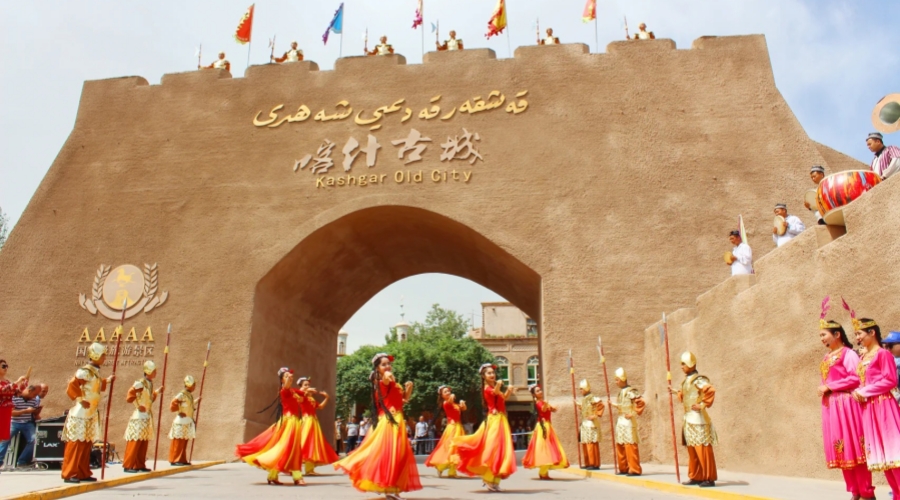
Kashgar Old City preserves the rich cultural heritage of China's historic Silk Road
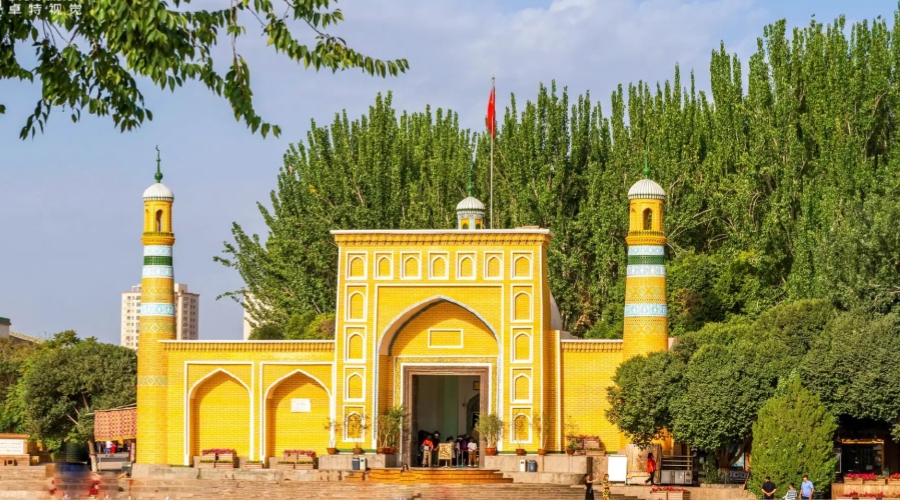
The Id Kah Mosque is the largest mosque in Xinjiang
Among Kashgar's most recognizable landmarks is the Id Kah Mosque. With its distinctive yellow façade and expansive courtyard, it stands as one of China's most famous historic mosques and an enduring symbol of the city's cultural heritage.
Traditional Markets and Local Life
Kashgar's markets remain central to daily life. Visitors can browse:
- Handicrafts
- Textiles
- Spices
- Dried fruits
- Traditional household goods
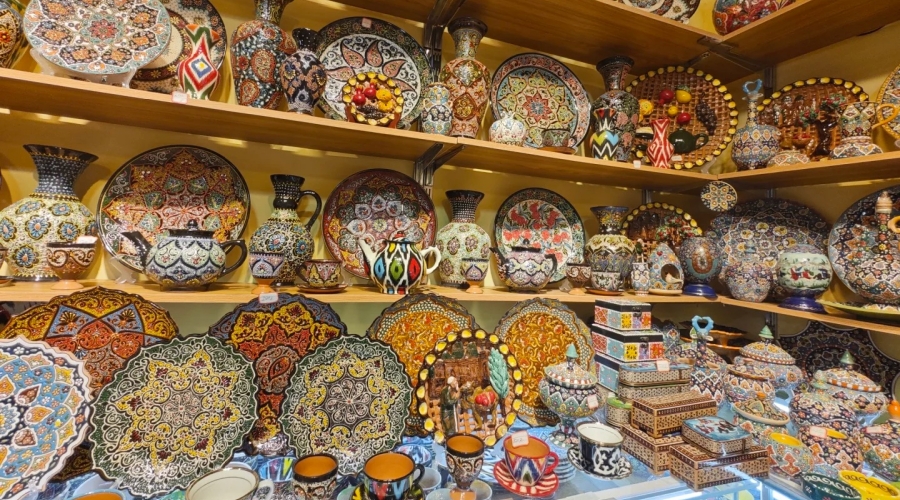
Handicrafts
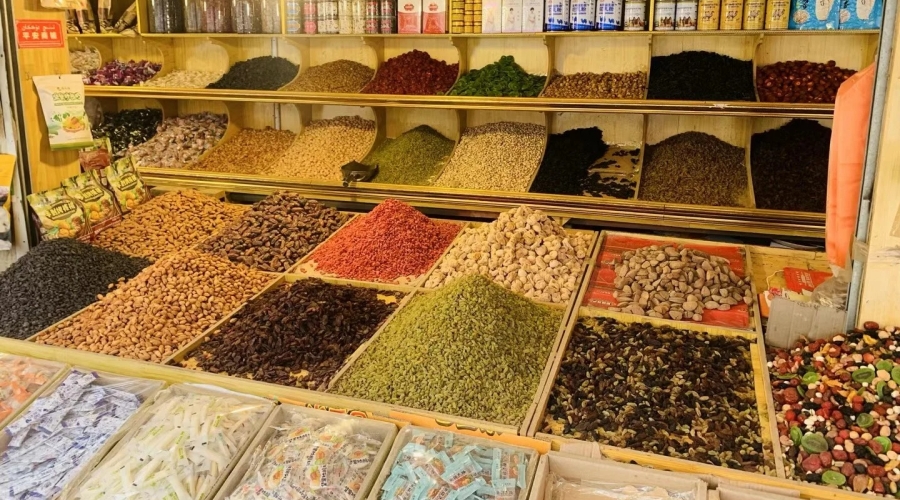
Dried fruits
Linxia: China's "Little Mecca"
Located in Gansu Province, Linxia is often referred to as "China's Little Mecca" because of its long-established Muslim heritage and concentration of mosques.
Despite its cultural significance, it remains relatively unknown to international visitors.
Best For: Mosque architecture, authentic Muslim communities, and off-the-beaten-path travel.
Highlights of Linxia
- See mosque domes and minarets throughout the city.
- Explore traditional Muslim neighborhoods.
- Learn about the history of Muslim communities in Northwest China.
- Enjoy authentic local halal cuisine.
- A Center of Muslim Culture
Linxia is home to numerous mosques, Islamic schools, traditional markets, and cultural institutions. The city has played an important role in the development of Muslim communities in Northwest China for generations.
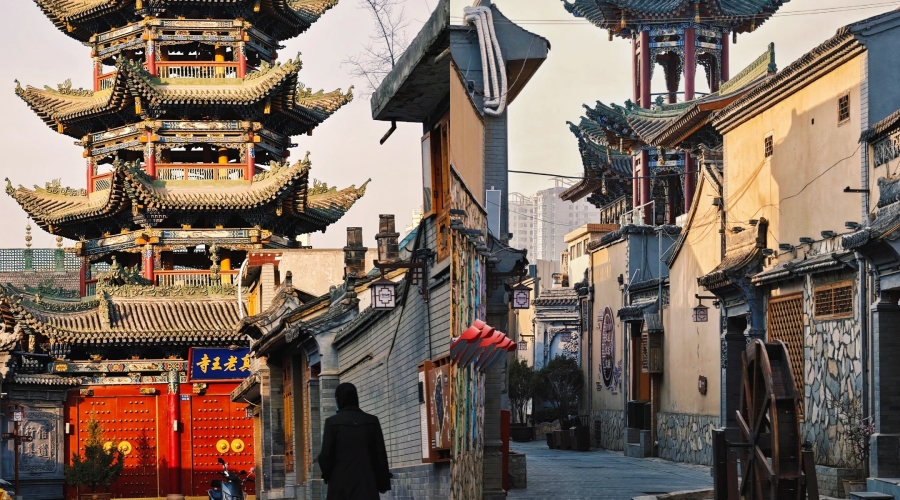
Bafang Thirteen Lanes is a historic Linxia district showcasing mosques, courtyards, and Hui heritage
Unique Architecture and Urban Landscape
Unlike many Chinese cities, mosque domes and minarets are visible throughout the urban landscape. This creates a distinctive atmosphere that immediately sets Linxia apart from other destinations.
Local Cuisine and Daily Life
Visitors can enjoy a wide variety of halal foods while exploring neighborhoods where traditional customs remain an important part of community life.
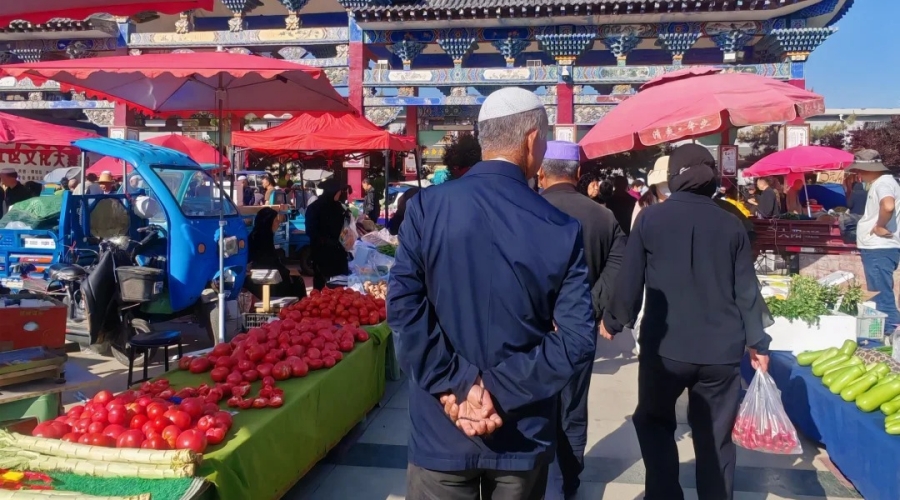
Hongyuan Stadium Morning Market is a lively Linxia market for halal food, local snacks, and Hui culture
For travelers seeking a destination that feels both authentic and culturally rich, Linxia offers a unique experience.
Quanzhou: Muslim Heritage on the Maritime Silk Road
While many discussions of Muslim heritage in China focus on the Silk Road, Quanzhou highlights the equally important story of the Maritime Silk Road.
Located on China's southeastern coast in Fujian Province, Quanzhou was once one of the world's busiest ports.
Best For: Maritime Silk Road history, heritage architecture, and cultural exploration.
Highlights of Quanzhou
- Visit the historic Qingjing Mosque.
- Learn about centuries of international trade.
- Explore UNESCO-recognized heritage sites.
- Discover the meeting point of Chinese and Middle Eastern influences.
- A Gateway for International Trade
For centuries, merchants from Arabia, Persia, Southeast Asia, and beyond arrived in Quanzhou carrying goods, ideas, and cultural traditions.
Their influence helped shape the city's diverse cultural landscape.
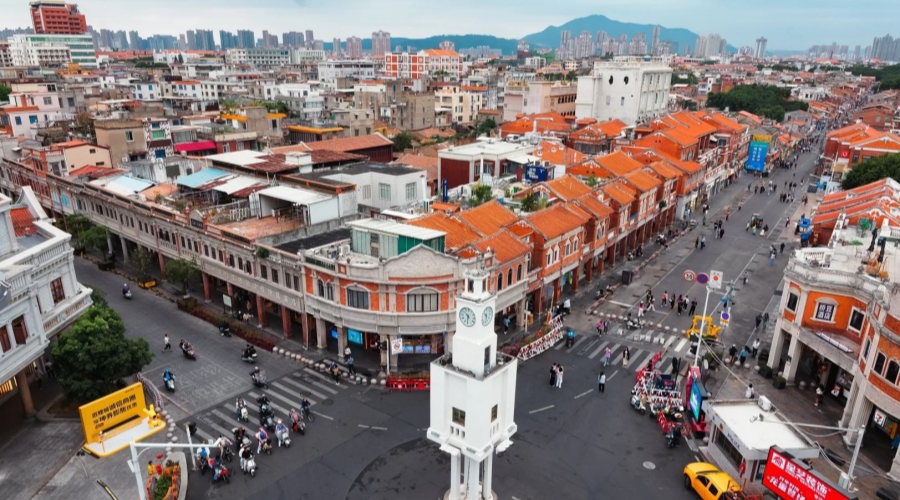
The iconic Bell Tower, one of Quanzhou's best-known landmarks
Qingjing Mosque
One of Quanzhou's most important historical landmarks is Qingjing Mosque, one of the oldest surviving Islamic structures in East Asia.
Unlike many traditional Chinese mosques, its stone arches and architectural features display strong Middle Eastern influences.
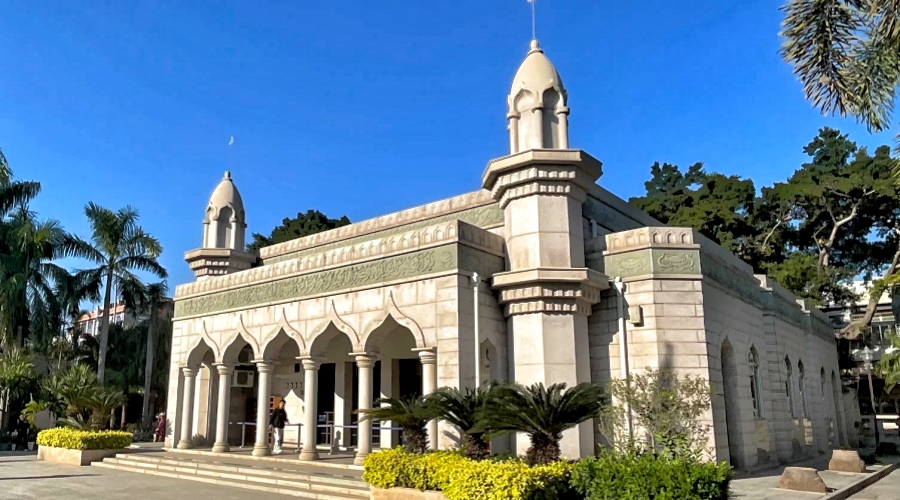
Gate of Qingjing Mosque in Quanzhou
Discovering Maritime Silk Road History
Today, visitors can explore:
- Historic streets
- Museums
- Ancient temples
- Heritage architecture
- Maritime Silk Road cultural sites
These attractions tell the story of Quanzhou's remarkable role in global trade and intercultural exchange.
Shadian: A Hidden Muslim Community in Southwest China
Nestled in the mountains of Yunnan Province, Shadian is one of China's most distinctive Muslim communities.
Despite its significance, it remains largely unknown outside China.
Best For: Authentic community experiences, mosque architecture, and cultural immersion.
Highlights of Shadian
- Visit one of China's largest mosque complexes.
- Experience a lesser-known side of Yunnan.
- Explore local markets and community life.
- Enjoy a peaceful alternative to major tourist destinations.
- The Grand Mosque of Shadian
The city's most prominent landmark is the Shadian Grand Mosque, one of the largest mosque complexes in the country. Its impressive architecture has made it a symbol of the local community.
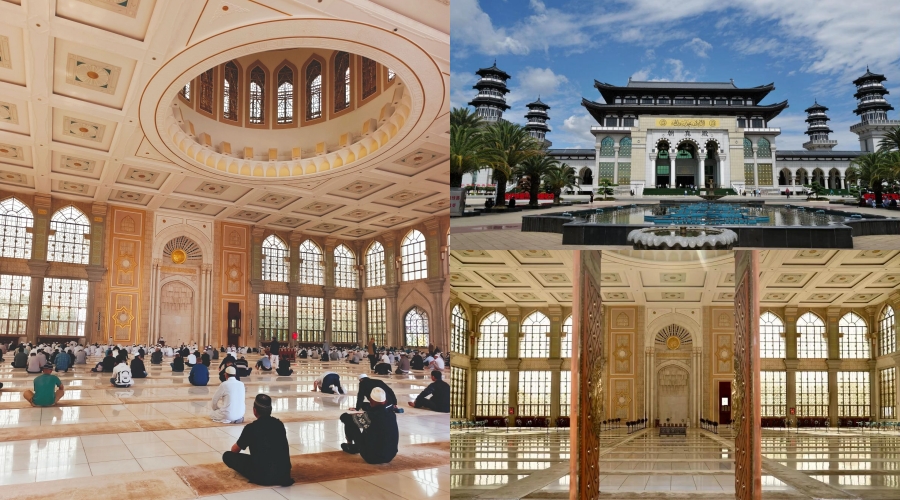
Shadian Grand Mosque
A Different Side of Yunnan
Most travelers visit Yunnan for destinations such as Lijiang, Dali, or Shangri-La. Few realize that Shadian offers an entirely different cultural experience that reflects the province's extraordinary ethnic diversity.
Authentic Community Experiences
Unlike heavily visited tourist destinations, Shadian provides opportunities to observe local life, traditional markets, and community culture in a more relaxed and authentic setting.
Suggested Muslim Heritage Routes in China
Travelers interested in exploring these destinations can consider several themed routes.
Silk Road Heritage Route
- Xi'an → Lanzhou → Linxia → Xining → Kashgar
This route follows the historic Silk Road and highlights some of China's most important Muslim cultural centers.
Maritime Silk Road Route
- Guangzhou → Quanzhou
Ideal for travelers interested in historic ports and early international trade connections.
Southwest Cultural Route
- Kunming → Shadian
A shorter journey that explores one of China's lesser-known Muslim communities.
Travel Tips for Visiting Hidden Muslim Destinations
Before exploring these destinations, consider a few practical tips:
- Research transportation connections in advance, especially in western China.
- Download translation and navigation apps before arrival.
- Look for the "Qingzhen" (清真) sign when searching for halal food.
- Respect local customs when visiting mosques and cultural sites.
- Allow extra travel time for destinations in remote regions.
- Consider traveling during spring or autumn for more comfortable weather.
While Xi'an and Beijing offer a great introduction to China's Muslim heritage, they are just the beginning. Beyond these famous cities, lesser-known destinations reveal centuries of cultural exchange, Silk Road history, and living traditions that continue to shape local communities today.
For Muslim travelers seeking authentic experiences, historic landmarks, diverse halal cuisine, and meaningful cultural encounters, these hidden destinations provide an opportunity to explore beyond the familiar and gain a deeper appreciation of China's remarkable diversity.