


China offers Muslim travelers a diverse mix of cultural heritage, modern cities, and well-developed tourism infrastructure. From historic Silk Road destinations and centuries-old mosques to high-speed rail networks and vibrant urban centers, travelers can experience many different sides of the country.
Many first-time visitors are surprised to find that halal restaurants, mosques, and Muslim communities are widely available across China. This guide for Muslim travelers explores everything you need to know before visiting China, including visa requirements, halal dining, accommodation, transportation, local customs, and practical travel tips.

Visitors explore Xi'an's Great Mosque, one of China's most distinctive Islamic landmarks
Visa and Entry Requirements
Before traveling to China, check the latest visa and entry requirements based on your nationality. China has introduced several visa facilitation policies, including:
- 30-day visa-free entry for citizens of selected countries
- 24-hour visa-free transit for most international travelers
- 240-hour (10-day) visa-free transit available at designated ports of entry for eligible travelers
Depending on your nationality and itinerary, you may be able to enter China without applying for a visa in advance.
To help ensure a smooth arrival:
- Verify your eligibility for visa-free policies before booking flights
- Keep your passport and travel documents easily accessible
- Save copies of hotel reservations and transportation details
- Review customs and immigration regulations before departure
As visa policies may change, travelers should always consult the official website of the National Immigration Administration or the nearest Chinese embassy or consulate before traveling.
You may also contact us directly—we will be happy to assist you.
Is China Muslim-Friendly?
Most Muslim travelers find China to be a welcoming destination with a long history of cultural diversity. Whether traveling with family, friends, or independently, visitors can generally explore major cities and tourist destinations with ease.
Friendly Local Communities
People in China are generally polite and welcoming toward international visitors. In major tourist destinations, wearing a hijab or traditional clothing is unlikely to attract unusual attention, and locals are often willing to help when needed.
Travel Services for International Visitors
Major tourist cities offer convenient transportation, halal dining options, and accommodations familiar with serving international guests. Hotel and tourism staff can often assist with local recommendations and travel arrangements.
Cities with Rich Muslim Heritage
Cities such as Beijing, Xi'an, Yinchuan, and Kashgar have long-established Muslim communities, historic mosques, and halal food districts. These destinations offer visitors a chance to experience China's diverse cultural and Islamic heritage.
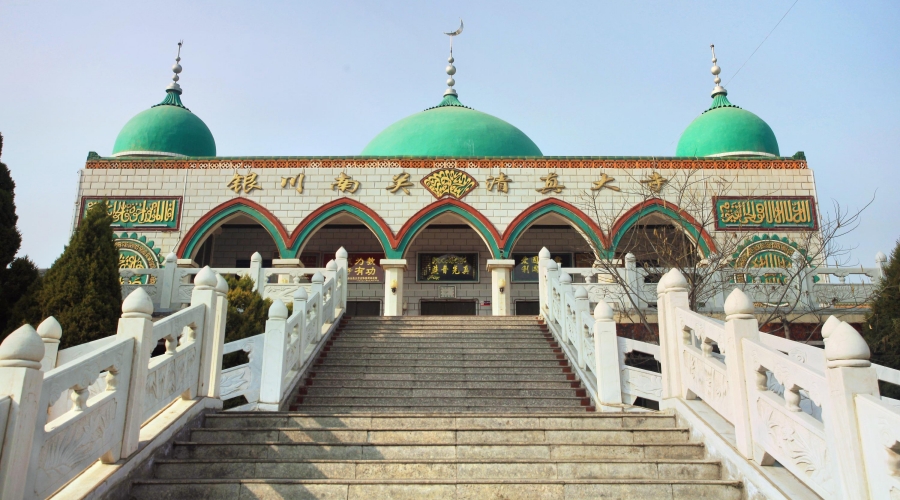
Nanguan Grand Mosque in Yinchuan, Ningxia
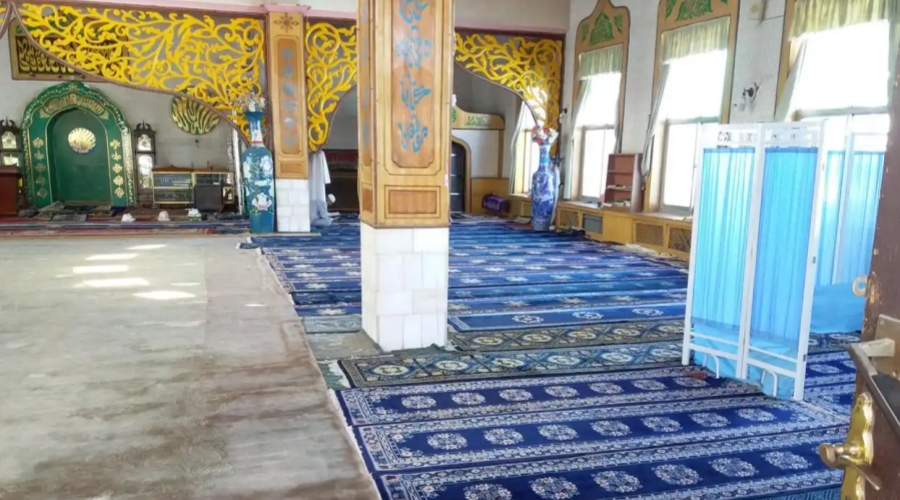
Interior of Nanguan Grand Mosque in Yinchuan, Ningxia
Understanding China's Muslim Heritage
Many visitors are unaware that China has a long history of Muslim communities dating back more than 1,300 years.
Today, several Muslim ethnic groups contribute to China's cultural diversity, including the Hui, Uyghur, Kazakh, Dongxiang, Salar, and Bao'an communities. Their influence can be seen in local cuisine, architecture, traditional markets, and cultural landmarks across various regions.
Cities such as Xi'an, Beijing, Lanzhou, Xining, Yinchuan, and Kashgar are particularly known for their rich Muslim heritage and continue to attract visitors interested in exploring this unique aspect of Chinese culture.
Finding Halal Food in China
Halal food is widely available in many parts of China, especially in cities with established Muslim communities.
Look for “Qingzhen” (清真)
Restaurants serving halal food are usually marked with the word: 清真 (Qingzhen)
This indicates food prepared according to halal standards.
Cities with Strong Halal Food Availability:
- Xi'an
- Beijing
- Lanzhou
- Xining
- Yinchuan
- Kashgar
- Urumqi
Major cities such as Shanghai, Guangzhou, Chengdu, and Chongqing also offer an increasing number of halal dining options.
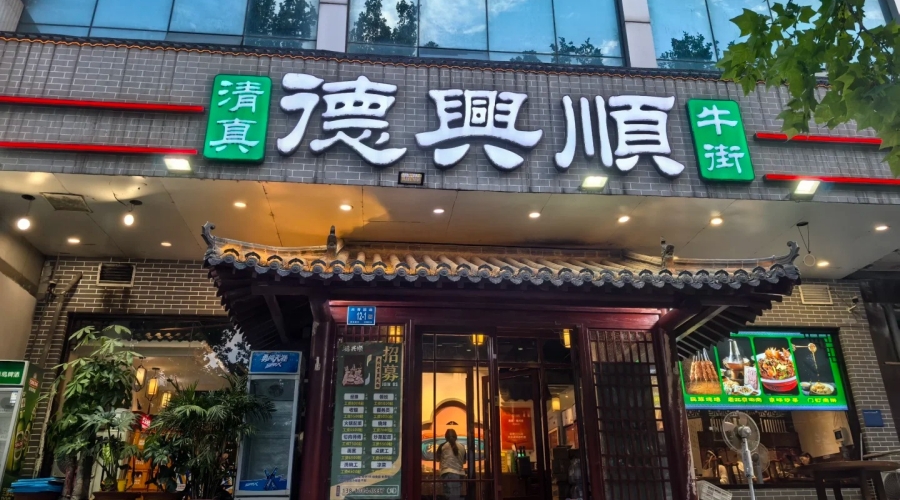
Beijing Halal Restaurant
Note: In smaller destinations, halal options may be limited. Planning ahead or staying near Muslim neighborhoods can help ensure easier access to suitable meals.
Mosques and Prayer Facilities
Mosques are found throughout China, particularly in regions with long-established Muslim communities.
- Notable Mosques
- Great Mosque of Xi'an
- Niujie Mosque (Beijing)
- Huaisheng Mosque (Guangzhou)
- Dongguan Mosque (Xining)
- Id Kah Mosque (Kashgar)
These mosques are both active places of worship and important cultural landmarks.
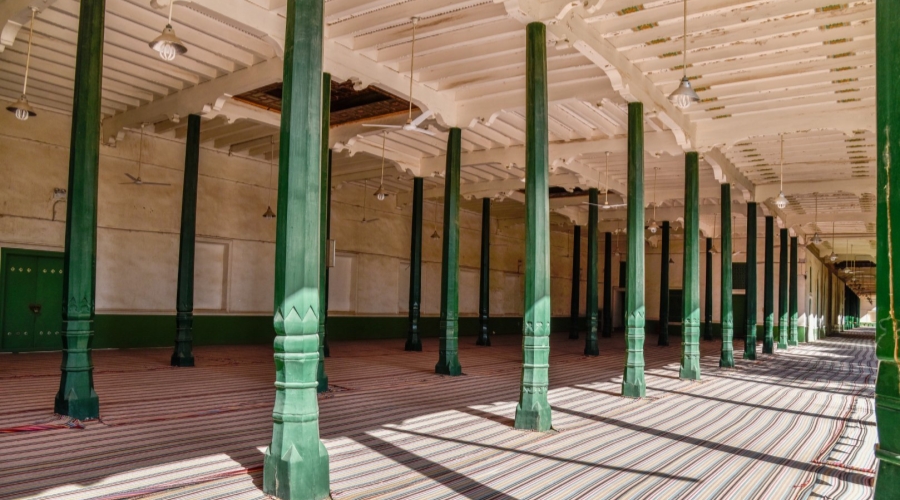
The Id Kah Mosque is the largest mosque in Xinjiang
Friday Prayers
In cities with established Muslim populations, Friday prayers are widely observed. Travelers should check local prayer times and follow mosque etiquette.
Prayer While Traveling
Prayer apps can help travelers track prayer times and Qibla direction, while a portable prayer mat adds convenience during sightseeing and day trips.
Although dedicated prayer rooms are uncommon in China, most travelers pray in their hotel rooms or visit mosques available in many cities.
Planning prayer times as part of your itinerary can help make your journey more comfortable.
Choosing Accommodation in China
China offers a wide range of accommodation options, from international hotels to serviced apartments.
For Muslim travelers, selecting accommodation in convenient locations can make the trip more comfortable.
Consider staying near:
- Near halal food areas
- Close to major attractions
- Around transport hubs
- Near historic mosques
- City centers
Prayer Facilities in Hotels
Most hotels in China do not offer dedicated prayer facilities, but guest rooms generally provide a private space for daily prayers. For added convenience, some Muslim travelers choose accommodations near mosques or Muslim neighborhoods, especially during Ramadan or extended stays. Bringing a travel prayer mat and using a prayer time app can help make daily worship more convenient while traveling.
Cities such as Xi'an, Beijing, Shanghai, Guangzhou, and Chengdu offer convenient access to dining, transport, and cultural sites.
Transportation in China
China's transportation infrastructure is one of the most extensive and efficient in the world.
High-Speed Rail
China's high-speed rail network connects most major cities and is one of the most convenient ways to travel around the country.
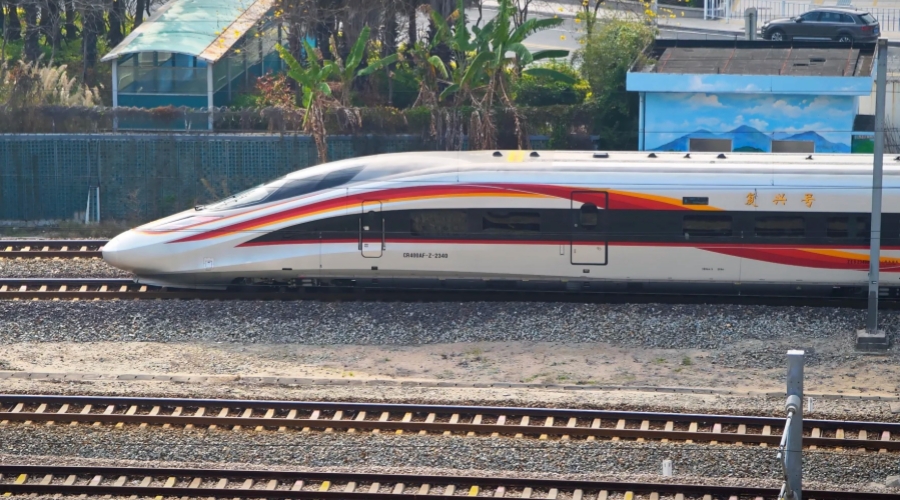
China’s high-speed rail provides fast, comfortable connections between major cities, making multi-city travel easy and efficient
Metro Systems
Cities such as Beijing, Shanghai, Guangzhou, Chongqing, Chengdu, and Xi'an operate extensive metro systems that are affordable and easy to use.
Domestic Flights
Domestic air travel is widely available and particularly useful for reaching destinations in western China.
Ride-Hailing Services
Ride-hailing (Chinese Uber) apps are commonly used in major cities and can simplify transportation for international visitors.
Mobile Payments
China has become largely cashless, and mobile payments are widely used for everyday transactions, including restaurants, shops, public transportation, and attractions.
The two most popular payment platforms are:
- Alipay
- WeChat Pay
Many international bank cards can now be linked to these apps, allowing foreign visitors to make payments conveniently throughout their trip.
While cash is still accepted in most places, setting up a mobile payment app before arrival can make traveling in China significantly easier.
Internet Access and Useful Apps
Internet access in China may differ from what travelers are accustomed to in other countries, as some international websites and apps may have limited accessibility. Travelers who rely on services such as Google, WhatsApp, Instagram, or YouTube should research connectivity options before departure.
To stay connected, many visitors choose an eSIM before arriving in China, providing immediate access to mobile data upon arrival. Local SIM cards are also widely available and can be purchased after entering the country.
Useful apps to download before your trip include:
- Google Translate, Microsoft Translator, or similar translation apps
- Amap (Gaode Maps) or other navigation apps
- DiDi for ride-hailing services
- Alipay and WeChat Pay for mobile payments
- Offline maps for backup navigation
Preparing these tools in advance can make traveling around China more convenient, especially when navigating unfamiliar destinations, finding halal restaurants, or communicating with local residents.
Cultural Etiquette and Local Customs in China
Understanding local customs can enhance your travel experience and help you interact respectfully with residents, especially when visiting religious, cultural, and historical sites.
Mosque Etiquette for Muslim Travelers
When visiting mosques in China, it is important to observe proper etiquette:
- Dress modestly and appropriately
- Follow any posted visitor rules and guidelines
- Maintain a quiet and respectful demeanor
- Avoid interrupting worshippers during prayer
- Ask for permission before taking photographs, particularly inside prayer halls
Many historic mosques also serve as cultural landmarks, so visitors should be mindful of both religious practices and heritage preservation rules.
General Travel Etiquette
To ensure a positive experience while exploring China:
- Respect local customs, traditions, and cultural differences
- Follow regulations at museums, heritage sites, and tourist attractions
- Be courteous and patient in crowded public spaces
- Queue appropriately when using public transportation or visiting popular attractions
- Carry valid identification and travel documents when required
Showing courtesy and cultural awareness can lead to more meaningful interactions and a smoother travel experience throughout your journey.
Traveling During Ramadan
Many Muslim travelers wonder what to expect if visiting China during Ramadan.
In cities with established Muslim communities, halal restaurants remain available and local Muslim neighborhoods often maintain their usual routines throughout the month.
For greater convenience:
- Purchase food for Suhoor the night before
- Identify halal restaurants near your hotel
- Plan Iftar locations in advance
- Check mosque schedules if you wish to visit during Ramadan
Major Muslim communities in Northwest China often host cultural activities and gatherings associated with Ramadan and Eid celebrations.

People dance to celebrate Eid al-Fitr in Kashgar, Xinjiang
Best Destinations for Muslim Travelers
Xi'an
Famous for its Muslim Quarter, Great Mosque, and Silk Road history.
Beijing
Home to Niujie Mosque and historic Muslim neighborhoods.
Shanghai
A modern global city with diverse food options and international facilities.
Lanzhou
Known for halal cuisine and Yellow River scenery.
Xining
A key center of Muslim culture in Northwest China.
Kashgar
A Silk Road city rich in Uyghur culture and traditional markets.
Practical Tips Before You Go
A little preparation can make your trip more enjoyable.
- Downloading translation and navigation apps
- Setting up Alipay or WeChat Pay
- Saving hotel addresses in Chinese
- Researching nearby halal restaurants
- Planning transportation between destinations
- Checking local weather conditions
- Keeping passport information accessible
- Reviewing prayer times for your destinations
China offers Muslim travelers a unique mix of cultural heritage, modern convenience, and diverse travel experiences. From historic mosques and Muslim neighborhoods to halal cuisine and efficient transportation, the country provides many opportunities to explore with confidence.
With some advance planning, Muslim travelers can enjoy a comfortable and rewarding journey across China's cities, cultural landmarks, and Silk Road destinations. If you need assistance planning your trip or finding halal-friendly travel options, feel free to contact us—we are always happy to help.